
Introduction to the Sweetlips Fish
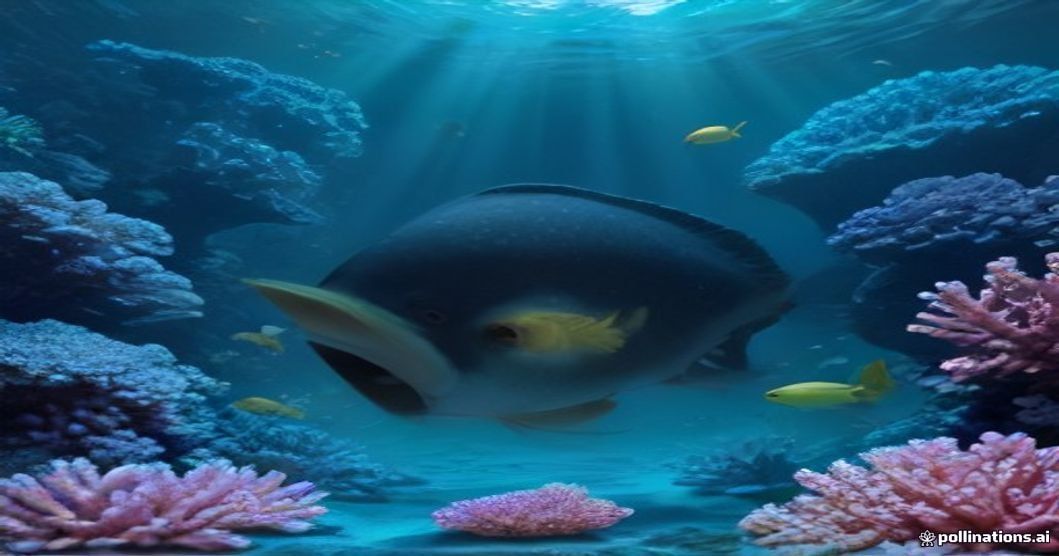
As veterinary professionals and marine enthusiasts, we are always captivated by the incredible diversity of life found in coral reef ecosystems. Among the most intriguing inhabitants of the marine world is the Sweetlips Fish, scientifically known as Plectorhinchus gaterinus. Instantly recognizable by its striking pattern of dark spots adorning a lighter body, complemented by vibrant yellow fins, this species is a true visual masterpiece of the ocean.
Behavioral Patterns and Natural Habitat
Understanding the natural behavior of marine species is essential for providing optimal care and appreciation. In their natural reef habitats, Sweetlips are predominantly nocturnal or crepuscular hunters. During the daylight hours, you will often find them lingering lazily near protective coral formations. However, as dusk approaches, these active fish emerge from their hiding spots to forage for food, utilizing their specialized sensory capabilities to hunt crustaceans and small benthic invertebrates.
A Remarkable Transformation: From Stripes to Spots
One of the most fascinating biological traits of the Plectorhinchus gaterinus is its dramatic ontogenetic color change. Juvenile sweetlips do not look like their adult counterparts at all; instead, young sweetlips sport bold, contrasting stripes rather than spots. As these fish mature and grow into adulthood, their coloration gradually evolves, shedding their juvenile stripes to reveal the iconic spotted pattern that defines the adult fish. This natural metamorphosis is a brilliant evolutionary adaptation often studied in marine biology.
Aquarium Care and Considerations
While their striking appearance and intriguing behaviors make them highly sought-after in the marine aquarium hobby, Sweetlips are generally recommended for experienced aquarists only. They require large water volumes, exceptional water quality, and specialized feeding regimens to thrive in a captive environment. Providing plenty of cave structures for daytime hiding and replicating their natural dusk-feeding schedule is crucial for their long-term health and well-being. Always consult with an aquatic veterinarian or professional aquarist before introducing complex species to your marine setup.