
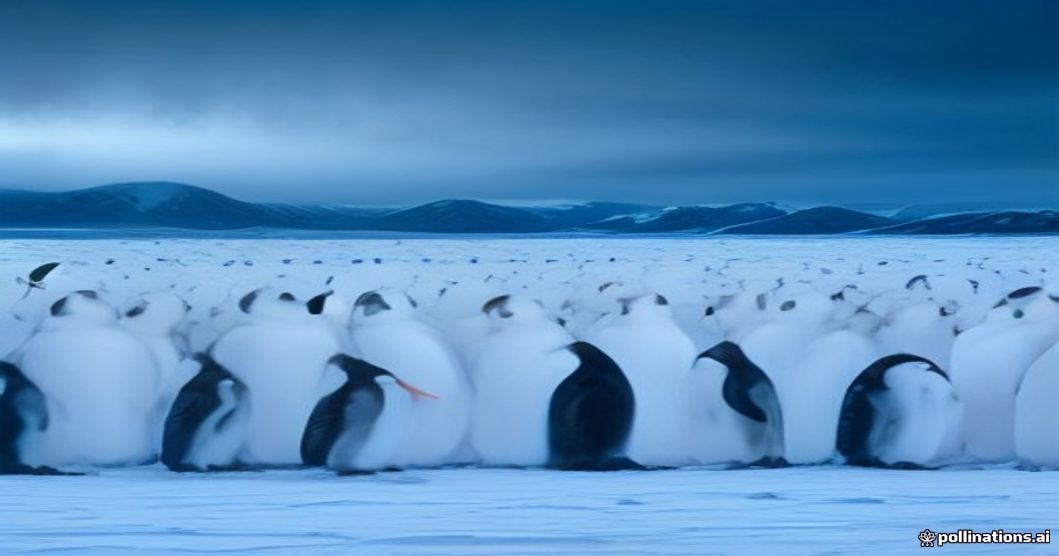
When we think of breathtaking endurance in the animal kingdom, few spectacles rival the iconic ‘March of the Penguins.’ Every year, emperor penguins embark on a perilous, multi-mile trek across the frozen Antarctic landscape to reach their traditional breeding grounds. As a veterinarian and animal health expert, I am endlessly fascinated by the incredible physiological adaptations that allow these birds to thrive in one of the most hostile environments on Earth.
The Physiology of Extreme Survival
Enduring temperatures that plummet below -60°F (-51°C) requires specialized biological machinery. Emperor penguins possess densely packed feathers that trap a layer of insulating air, alongside a thick subcutaneous fat layer. Their cardiovascular system is equally remarkable; they can regulate blood flow to their extremities to prevent heat loss and frostbite, showcasing nature’s brilliant design for thermal regulation and vascular health.
A Masterclass in Parental Devotion
The journey is not merely about surviving the cold—it is about the next generation. After laying a single egg, the female transfers it carefully to the male’s feet, where it is covered by a warm brood pouch of skin and feathers. While the females return to the ocean to feed, the males huddle together in massive colonies, enduring months of fasting and relentless blizzards. This communal huddling behavior is a vital survival strategy, with individuals rotating from the freezing outer edges to the warm center.
Conservation in a Changing Climate
As animal health advocates, we must also look at the broader picture of polar conservation. Melting sea ice poses an existential threat to emperor penguin colonies, disrupting their breeding cycles and reducing krill availability. Protecting these magnificent seabirds requires global commitment to mitigating climate change, ensuring that the legendary ‘March of the Penguins’ continues for generations to come.