
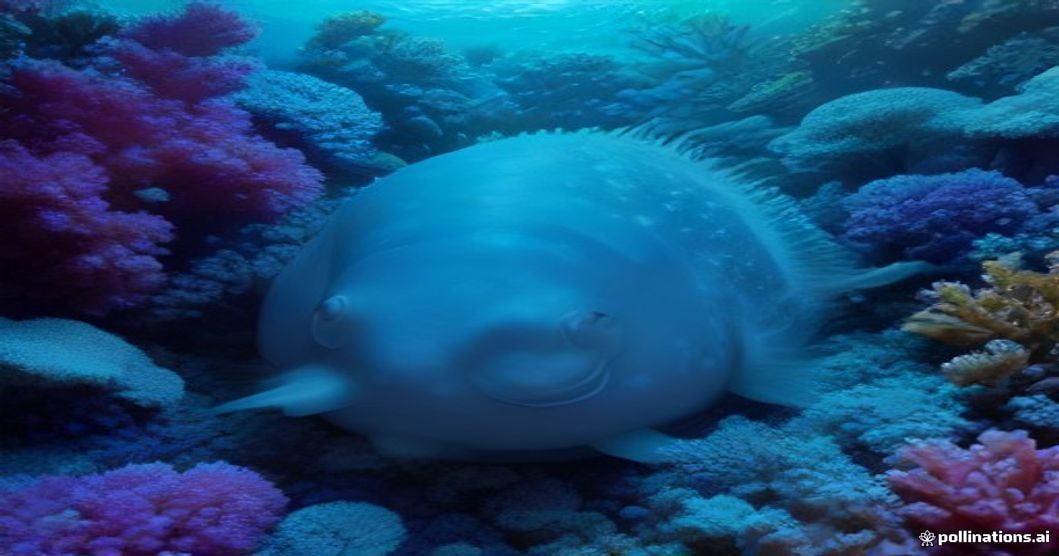
Introduction to Tambja Gabrielae
Marine biology continually reveals fascinating creatures that captivate both scientists and ocean enthusiasts alike. Among the most intriguing is Tambja gabrielae, a stunning species of sea slug known for its vibrant colors and complex biological adaptations. As a veterinary and animal health perspective often reveals, understanding the sensory mechanisms of marine life helps us appreciate the intricate ways these animals interact with their aquatic environments.
Advanced Sensory Adaptations
At the forefront of this species’ interaction with its habitat are the specialized rhinophores located on its head. These delicate, tentacle-like structures function as sophisticated chemical sensors. By detecting dissolved substances in the surrounding water, the rhinophores allow Tambja gabrielae to effectively navigate its ocean floor home, gather vital environmental data, and stay alert to potential hazards.
The Mystery of the Enigmatic Sensory Structures
Nearby these primary organs lie a pair of enigmatic sensory structures densely packed with specialized nerves. Current marine research suggests these mysterious structures play a crucial role in helping the sea slug track down specific food sources via chemical signaling. Despite ongoing studies, their exact physiological functions remain an exciting mystery in marine biology, reminding us of how much we still have to learn about ocean biodiversity.