
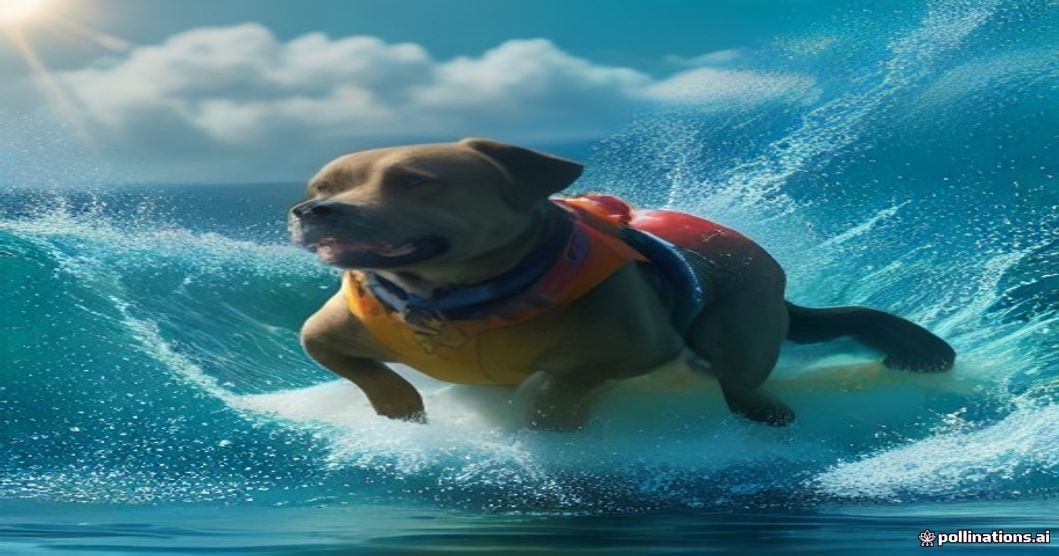
Hawaii’s legendary surf breaks attract athletes and beach lovers from across the globe, and increasingly, adventurous dog owners are bringing their canine companions along for the ride. From tandem surfing on the North Shore to paddling through gentle shore breaks, sharing the ocean with a dog can be an exhilarating bonding experience. However, stepping inside the wave demands a clear understanding of marine biology, canine physiology, and ocean dynamics from a veterinary perspective.
The Physiological Demands of Ocean Swimming
Ocean swimming is vastly more strenuous than paddling in a calm freshwater lake. Breaking waves, undertows, and shifting sand require continuous muscular engagement and rapid cardiovascular output. Even strong natural swimmers, such as Golden Retrievers or Labrador Retrievers, can quickly succumb to fatigue when battling strong shorelines. A properly fitted canine personal flotation device (PFD) with a sturdy rescue handle is non-negotiable. PFDs maintain a dog’s natural swimming posture, conserve energy, and allow owners to quickly lift their pet onto a board or out of a breaking wave.
Hypernatremia: The Threat of Saltwater Toxicity
One of the most critical clinical emergencies veterinarians treat in coastal areas is hypernatremia, or saltwater poisoning. When dogs play in crashing waves, they inevitably ingest seawater through biting at foam or panting heavily while retrieving toys. High concentrations of sodium draw moisture out of the bloodstream and tissues into the digestive tract, leading to rapid dehydration, vomiting, and diarrhea. In severe cases, it causes neurological signs such as lethargy, muscle tremors, seizures, and cerebral edema. Always carry abundant fresh water and enforce frequent hydration breaks to prevent your dog from attempting to quench their thirst with ocean water.
Post-Surf Dermatological and Ear Care
The combination of saltwater, coarse volcanic sand, and warm tropical humidity creates an ideal environment for bacterial and fungal proliferation. Otitis externa (outer ear infection) is particularly common in dogs that frequently submerge their heads in surf breaks. Veterinarians recommend thoroughly rinsing your dog with fresh tap water immediately after every ocean outing to eliminate residual salt and sand that can chafe the skin. Additionally, drying the ear canals thoroughly with a veterinarian-formulated drying agent or ear cleaner prevents moisture-loving organisms like Malassezia from taking hold.
Marine Encounters and Shoreline Trauma
Tropical waters harbor unique biological hazards that pet owners must anticipate. Breaking waves often dislodge marine life, exposing dogs to Portuguese man o’ war tentacles, sea urchin spines, and sharp volcanic coral reefs. A superficial scrape on a coral outcrop can quickly lead to deep tissue infection due to marine bacteria such as Vibrio species. If your dog steps on an urchin spine or exhibits acute pain, swelling, or lameness after emerging from the surf, consult a veterinary professional immediately rather than attempting deep at-home extractions.
Embracing coastal adventures with your pet is deeply rewarding when approached with safety and vigilance. By monitoring surf conditions, equipping your dog with safety gear, and practicing diligent post-swim hygiene, you can ensure that your pet’s experience in the ocean remains safe, healthy, and revitalizing.