
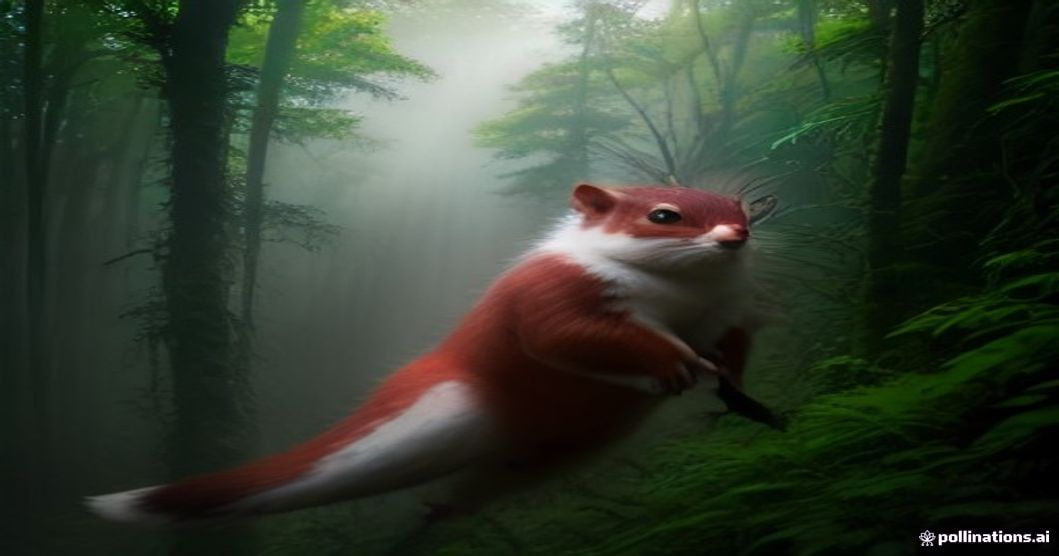
Meet the Giant of the Flying Squirrel World
When we think of gliding mammals, small and nimble creatures often come to mind. However, the red-and-white giant flying squirrel (Petaurista alborufus) shatters this perception. Native to the lush forests of China and Taiwan, this magnificent creature holds the title of the largest of all flying squirrels. Reaching impressive lengths of about a meter—including its long, bushy tail—it stands out as one of the most remarkable and largest mammals capable of aerial locomotion, excluding bats and human-made aircraft.
Mastering the Art of the Gliding Flight
Like its smaller relatives, the red-and-white giant flying squirrel is equipped with a specialized membrane of skin known as a patagium, which stretches between its front and hind legs. When fully extended, this membrane transforms the squirrel into an expert canopy navigator. These animals are capable of covering astonishing distances through the air; documented reports highlight breathtaking glides spanning 75 meters and beyond. Typically, they launch themselves downward at a controlled angle of 40 to 60 degrees from the horizontal, though they can execute steeper descents for shorter, more direct travel between trees.
Habits, Habitat, and High-Rise Nesting
Life high in the forest canopy requires secure shelter. These giant squirrels choose tree hollows situated at least 10 meters above the forest floor to establish their nests, keeping them safe from ground-dwelling predators. As adaptable omnivores with remarkably unfussy palates, they forage on a diverse diet that reflects the seasonal bounty of their forest home. Their menu ranges from fresh fruits, tender leaves, and nutrient-rich nuts to protein-packed insects, larvae, and worms, ensuring they maintain the high energy levels needed for their acrobatic lifestyle.