
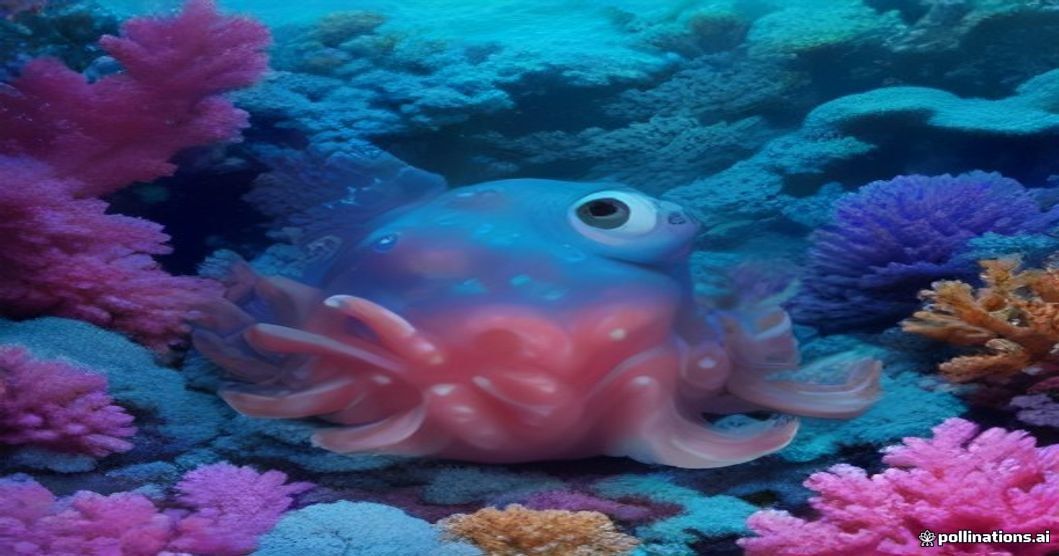
Introduction to the Marine Chameleon
In the vast and mysterious realm of the ocean, few creatures possess the mesmerizing adaptation skills of the wide-eyed cuttlefish (Ascarosepion latimanus). Often celebrated as the true chameleons of the sea, these intelligent cephalopods captivate marine biologists and animal enthusiasts alike with their unrivaled ability to transform their physical appearance in a matter of seconds.
The Science Behind the Color-Changing Magic
How do these fascinating animals achieve such rapid transformations? The secret lies in specialized skin organs called chromatophores. These tiny, pigment-filled sacs are controlled directly by the cuttlefish’s nervous system. When expanded or contracted, they allow the animal to display a vibrant array of colors and intricate patterns almost instantaneously, serving both as camouflage and a sophisticated form of communication.
Texture Modification and Instant Camouflage
Beyond mere color changes, the wide-eyed cuttlefish can physically alter its skin texture. Equipped with specialized muscular skin growths known as papillae, they can shift their outer surface from remarkably smooth to ruggedly bumpy. Whether hiding from predatory fish or stalking unsuspecting prey, even young cuttlefish master this dual-action camouflage, blending seamlessly into coral reefs, sandy ocean floors, and seagrass meadows in the blink of an eye.