
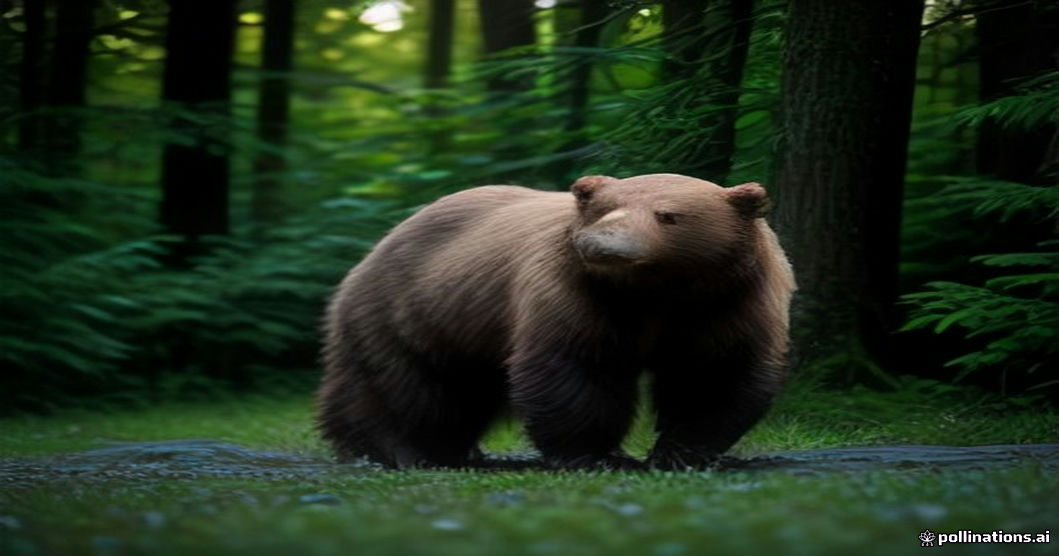
The brown bear (Ursus arctos) is one of the most magnificent and powerful mammals on our planet. As a veterinarian and wildlife health expert, studying these incredible apex predators provides profound insights into the delicate balance of forest and mountain ecosystems across North America, Europe, and Asia.
Physical Characteristics and Adaptations
Adult brown bears are renowned for their massive size, shoulder hump—which consists of muscle used for digging—and long, curved claws. Their fur ranges from blonde and yellowish-brown to dark brown or nearly black. These physiological adaptations make them exceptional foragers, capable of thriving in diverse habitats ranging from dense forests to subalpine meadows.
Diet and Nutritional Needs
Despite belonging to the order Carnivora, brown bears are dietary generalists, or omnivores. Their diet is roughly 85% plant-based, consisting of berries, nuts, roots, and grasses. However, they are opportunistic feeders and will readily consume fish, insects, and small-to-large mammals to build up vital fat reserves before the winter season.
Hibernation and Physiology
One of the most fascinating aspects of brown bear biology is hibernation. During the winter months, bears enter a state of torpor where their heart rate drops significantly, and they do not eat, drink, or excrete waste for months. Veterinary science continues to study this unique metabolic state to better understand muscle preservation and metabolic regulation.
Conservation and Coexistence
As human populations expand into historical bear territories, wildlife management and veterinary medicine play crucial roles in ensuring human-wildlife coexistence. Protecting natural corridors, securing food waste, and monitoring bear populations are essential steps in safeguarding the future of this iconic species.