
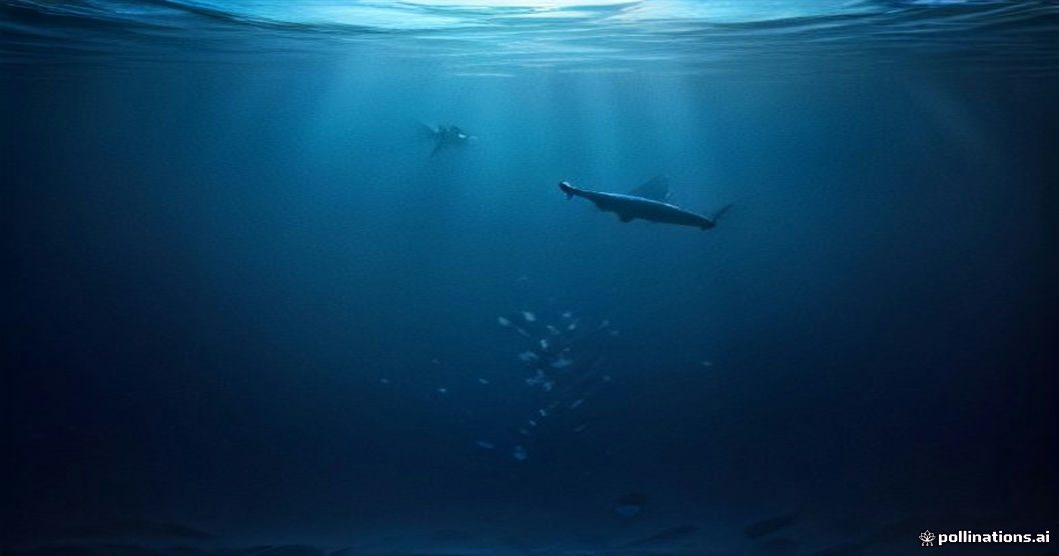
In the annals of marine biology and evolutionary science, few events rival the astonishing discovery made off the coast of East London, South Africa, in December 1938. Marjorie Courtenay-Latimer, a dedicated young curator at the East London Museum, received a call from a local trawler captain, Hendrik Goosen, inviting her to inspect a peculiar catch. Among a pile of ordinary marine life lay an extraordinary specimen: a five-foot-long, armored creature sporting brilliant steel-blue scales, striking flecks of white, and peculiar, fleshy fins resembling rudimentary limbs. What Courtenay-Latimer held in her hands would soon ignite the scientific world—a living coelacanth, scientifically classified as Latimeria chalumnae.
Defying 66 Million Years of Extinction
Prior to 1938, coelacanths were widely understood solely through the fossil record. Paleontologists believed that this lineage had vanished alongside the dinosaurs at the close of the Cretaceous period, roughly 66 million years ago. The discovery shattered existing paradigms of evolutionary biology, earning the coelacanth the moniker of a ‘Lazarus taxon’—an organism that disappears from the fossil record only to unexpectedly reappear alive in modern times.
Renowned South African ichthyologist J.L.B. Smith later verified the specimen, dedicating years to the search for its wild population. It was eventually confirmed that these deep-sea dwellers resided primarily in the steep volcanic underwater slopes of the Comoros archipelago and parts of the Western Indian Ocean, where local fishermen had encountered them for generations under the native name Gombessa.
Anatomical Marvels of an Evolutionary Relic
From an anatomical and comparative veterinary perspective, Latimeria chalumnae offers invaluable insights into the transition from aquatic life to land-dwelling tetrapods. Unlike modern ray-finned fish, the coelacanth belongs to the ancient class Sarcopterygii, characterized by lobe-shaped, muscular fins supported by a skeletal structure analogous to the limb bones of early land animals. When swimming, the coelacanth moves these paired fins in an alternating sequence strikingly similar to a trotting terrestrial quadruped.
Furthermore, this enigmatic marine species possesses several distinct biological adaptations tailored to the dark, high-pressure environments 200 to 500 meters beneath the surface:
- Rostral Organ: An electro-receptive organ located inside the snout, allowing the fish to detect the bioelectric fields of prey in pitch-black subterranean caverns.
- Intracranial Joint: A unique hinged skull that permits the fish to elevate its upper head, facilitating a wide jaw opening to swallow large prey.
- Vestigial Lung and Fat-Filled Organ: In place of a standard gas swim bladder, the coelacanth relies on a specialized lipid-filled organ to regulate hydrostatic buoyancy in deep-sea pressures.
Preserving a Living Wonder
Because coelacanths inhabit deep submarine caves by day and hunt sluggishly along steep benthic reefs by night, encounters remain exceedingly rare. They exhibit an exceptionally slow metabolic rate, take decades to reach sexual maturity, and bear live young after gestation periods estimated to exceed three to five years. These life-history traits make their small populations highly vulnerable to accidental bycatch from deep-set gillnets and trawl lines.
Today, Latimeria chalumnae is classified as Critically Endangered by the International Union for Conservation of Nature (IUCN). Protecting this ocean relic is not merely a matter of preserving an individual species; it ensures the continued survival of a profound living bridge to our planet’s deep evolutionary past.