
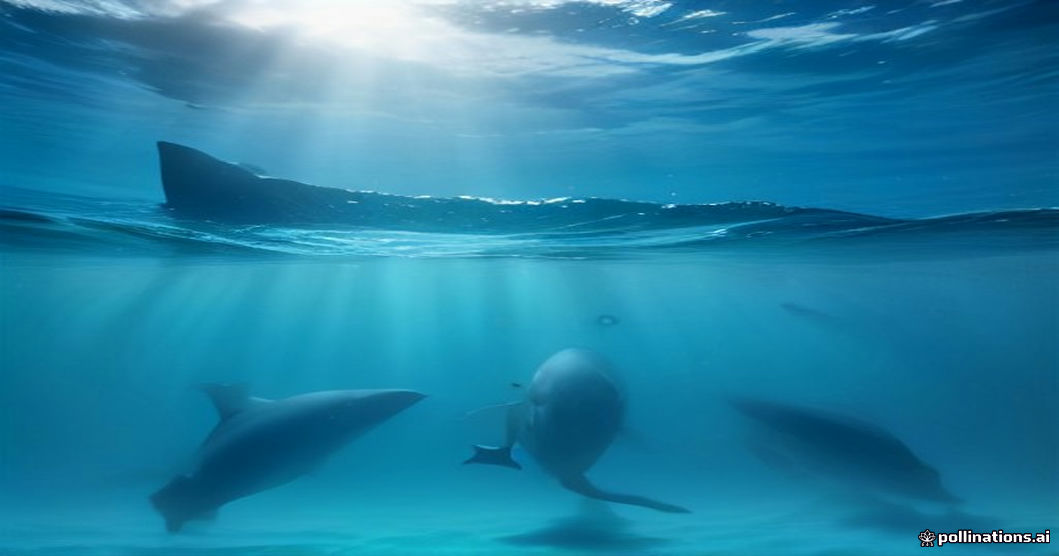
Marine mammals represent some of the most cognitively sophisticated creatures on the planet, with the bottlenose dolphin (Tursiops truncatus) standing at the forefront of animal communication research. While terrestrial pets like dogs and cats communicate extensively through body language and scent marking, dolphins have evolved a profoundly advanced acoustic identification system. In the vast, visually challenging aquatic environment, sound serves as the primary currency for identity, navigation, and social bonding.
The Anatomy of Acoustic Identity: Signature Whistles
In dolphin societies, each individual develops a distinct vocalization known as a ‘signature whistle’ within the first year of life. Functioning analogously to human names, these frequency-modulated acoustic signals broadcast an individual’s unique identity. Unlike innate animal calls, signature whistles are shaped through vocal production learning, a rare cognitive trait in the animal kingdom. Even more extraordinary is a dolphin’s ability to imitate the signature whistles of preferred social partners. By copying a companion’s whistle, a dolphin essentially ‘calls out’ to a specific peer, initiating contact or coordinating cooperative hunting and pod defense.
Unmatched Social Memory Across Decades
The neurological architecture supporting cetacean communication translates into an extraordinary capacity for long-term memory. Controlled ethological studies demonstrate that dolphins can accurately identify the signature whistles of former pod members even after being separated for more than twenty years. This represents the longest documented social memory in any non-human species, outlasting even the remarkable memories of elephants. In the dynamic fission-fusion social structures characteristic of dolphin pods—where associations fluctuate constantly—this indelible acoustic memory ensures stability, alliance maintenance, and conflict reduction over an animal’s lifetime.
Multimodal Perception: Chemical Senses and Beyond
While acoustics dominate cetacean research, recent discoveries show that dolphin recognition is remarkably multimodal. Dolphins lack fully developed olfactory bulbs, but they possess acute chemosensory capabilities through specialized gustatory receptors on the tongue. By tasting trace chemical markers excreted in the water, such as urine, dolphins can identify familiar conspecifics without relying on sound. When combined with signature whistles, this chemical sensing provides redundant layers of recognition, allowing dolphins to confirm the presence of friends and allies even in turbulent or acoustically compromised waters.
Clinical Perspectives on Marine Noise Pollution
From an aquatic health and conservation perspective, understanding the intricacy of dolphin communication underscores the severe impact of anthropogenic ocean noise. Vessel traffic, seismic testing, and industrial maritime operations introduce chronic acoustic interference into marine habitats. This noise pollution masks signature whistles, severing social lifelines, inducing stress-related physiological responses, and fracturing pod cohesion. Preserving quiet marine reserves is not merely an environmental consideration; it is vital to the psychological well-being and social survival of these remarkably sentient marine animals.