
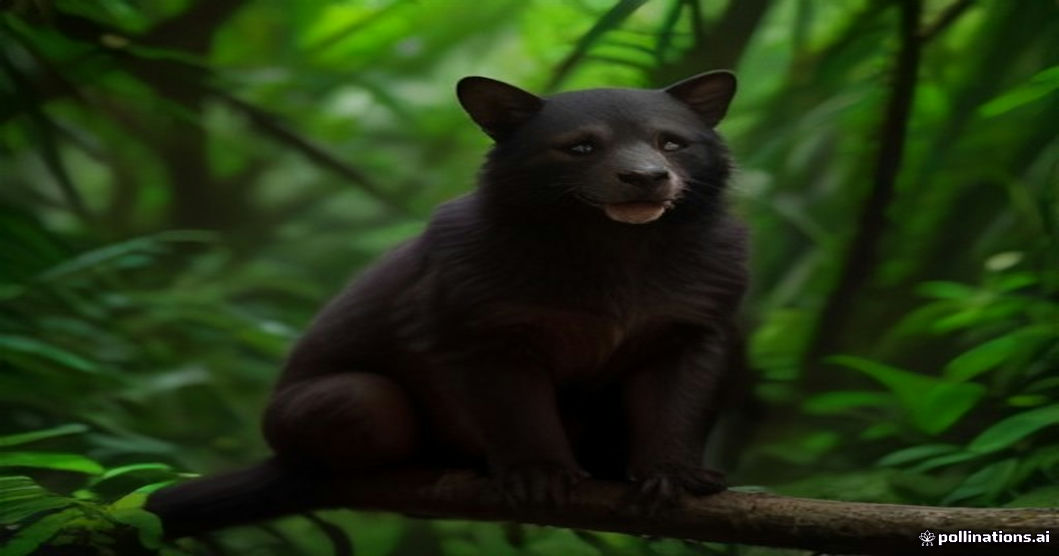
Introduction to the Tayra
As a veterinarian and wildlife enthusiast, I am always fascinated by the incredible diversity found within the Mustelidae family. While many people are familiar with domestic ferrets or badgers, their tropical cousin—the tayra (Eira barbara)—remains a captivating and lesser-known marvel of nature. Inhabiting the lush tropical forests of Central and South America, ranging from southern Mexico down to Paraguay and northern Argentina, this agile carnivore is uniquely adapted to life in the canopy and on the forest floor.
Physical Characteristics and Morphology
The tayra boasts a sleek, elongated body supported by relatively short, powerful legs, making it exceptionally well-suited for navigating dense vegetation. Their dense, short fur is typically a rich dark brown or black, sharply contrasted by a lighter-colored head. A distinctive yellow, orange, or white patch is frequently visible on their throat, serving as a unique identifier. In terms of size, these mustelids measure between 60 to 70 centimeters (24 to 28 inches) in body length, complemented by a long, bushy tail spanning 35 to 45 centimeters (14 to 18 inches). Adult tayras generally weigh between 4 and 5 kilograms (9 to 11 pounds), striking a perfect balance between agility and robust health.
Behavior, Habitat, and Lifestyle
Primarily nocturnal, tayras are remarkably versatile and equally active on the ground and high up in the trees. As exceptional climbers and strong swimmers, they can execute impressive leaps across vast distances in pursuit of prey or to evade danger. When it comes to resting, these resourceful animals seek out safe shelter in natural tree hollows, abandoned dens of other animals, or thick patches of tall grass. Their adaptable nature and opportunistic diet—ranging from small mammals and birds to fruits and carrion—allow them to thrive across diverse neotropical ecosystems.
Fascinating Facts About the Tayra
One of the most remarkable fun facts about the tayra is the specialized use of its long, bushy tail. While darting through the complex architecture of the dense forest canopy, the tayra uses its tail precisely like a tightrope walker’s balancing pole, ensuring stability and preventing falls during high-speed aerial maneuvers. Understanding and appreciating these remarkable adaptations highlights the vital importance of preserving tropical forest habitats for wildlife conservation.