
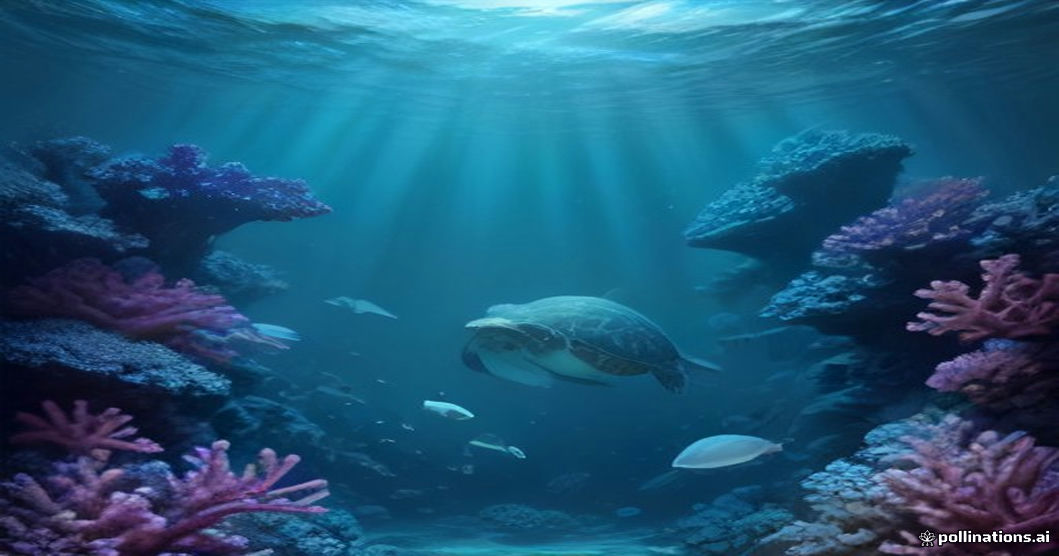
Nature’s Ultimate Spa Day
In the vast and dynamic marine ecosystem, sea turtles have developed a remarkably sophisticated approach to personal hygiene and health maintenance. Far from just swimming aimlessly, these ancient mariners actively seek out specialized locations on coral reefs known as ‘cleaning stations.’ At these underwater hubs, a fascinating biological partnership takes place between the turtles and various species of reef fish.
The Process of Marine Maintenance
When a sea turtle approaches a cleaning station, it engages in what scientists often playfully refer to as ‘tech support.’ The turtle freezes in place, adopting a stationary posture that signals to nearby cleaner fish—such as wrasses and surgeonfish—that it is ready for service. The fish eagerly swarm the turtle, meticulously inspecting its shell (carapace), flippers, and soft skin to remove edible algae growths, dead skin, and bothersome parasites.
Why Cleaning Stations Matter for Pet and Wildlife Health
From a veterinary perspective, these cleaning stations are vital for the overall well-being and longevity of sea turtles. By removing external parasites and excess algae, the cleaner fish help prevent potential skin infections, shell rot, and drag that could impede the turtle’s swimming efficiency. It is a brilliant example of mutualism in nature, where the fish receive a reliable meal, and the turtle receives essential, preventative healthcare in the wild.