
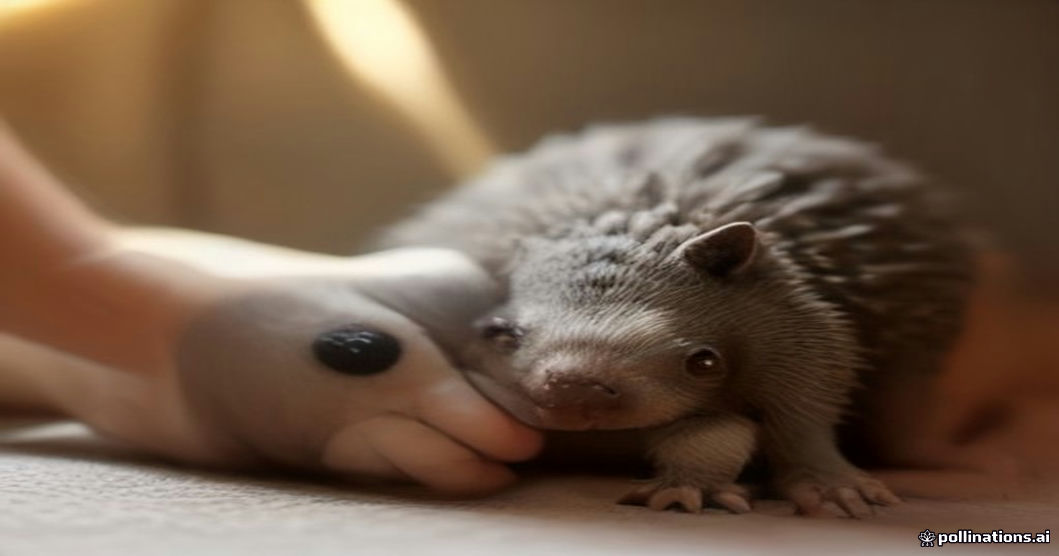
An Unexpected Soft Spot Beneath the Armor
At first glance, an armadillo looks like a prehistoric relic built strictly for defense. Encased in bony plates known as osteoderms, these unique mammals appear impervious and stoic. Yet, wildlife rehabilitators and specialized exotic animal professionals often observe a delightfully unexpected behavior, particularly in juveniles: baby armadillos thoroughly enjoy gentle tactile stimulation, often rolling onto their sides or extending their bellies to savor a good scratch.
The Sensory Anatomy of the Armadillo Carapace
A common misconception is that an armadillo’s armor is inert or numb, akin to a heavy suit of metal armor. In reality, the carapace is a living, vascularized tissue covered by a keratinous layer similar to human fingernails. Directly beneath these epidermal scutes lies a rich network of sensory nerves. When a caregiver or mother grooms the carapace, the armadillo feels the pressure, vibration, and warmth distinctly. In baby armadillos, whose shells are still soft, leathery, and developing, these nerve pathways are especially responsive to gentle touch.
Maternal Grooming and Behavioral Comfort
In the wild, infant armadillos (pups) receive vital grooming and cleaning from their mothers within subterranean burrows. Tactile interactions stimulate healthy gastrointestinal motility, encourage proper blood circulation, and release feel-good neurochemicals such as oxytocin and endorphins. When an orphaned or rescued pup experiences gentle scratching from a dedicated rehabilitator, this contact replicates maternal allogrooming, signaling safety, comfort, and deep relaxation.
Deciphering Armadillo Body Language
Knowing whether an armadillo is genuinely enjoying an interaction requires close observation of species-specific body language. When experiencing genuine pleasure and comfort, a young armadillo will often loosen its posture, stretch out its tiny clawed legs, tilt its head back, and occasionally produce soft sniffing or vocalization sounds. In contrast, an agitated or distressed armadillo will tuck its head abruptly, kick defensively, jump vertically into the air (a common response in nine-banded armadillos), or curl tightly into a protective posture.
Veterinary and Conservation Considerations
While the image of a baby armadillo melting into a belly rub is undeniably endearing, it is critical to balance affection with responsible wildlife stewardship. Armadillos are wild creatures with intricate ecological and nutritional needs that cannot be replicated in a standard domestic household. Furthermore, wild armadillo populations can carry zoonotic pathogens, including the bacterium responsible for Hansen’s disease (leprosy). Gentle handling and tactile enrichment should be reserved for certified wildlife rehabilitators and licensed zoological institutions committed to animal welfare, rehabilitation, and eventual release.