
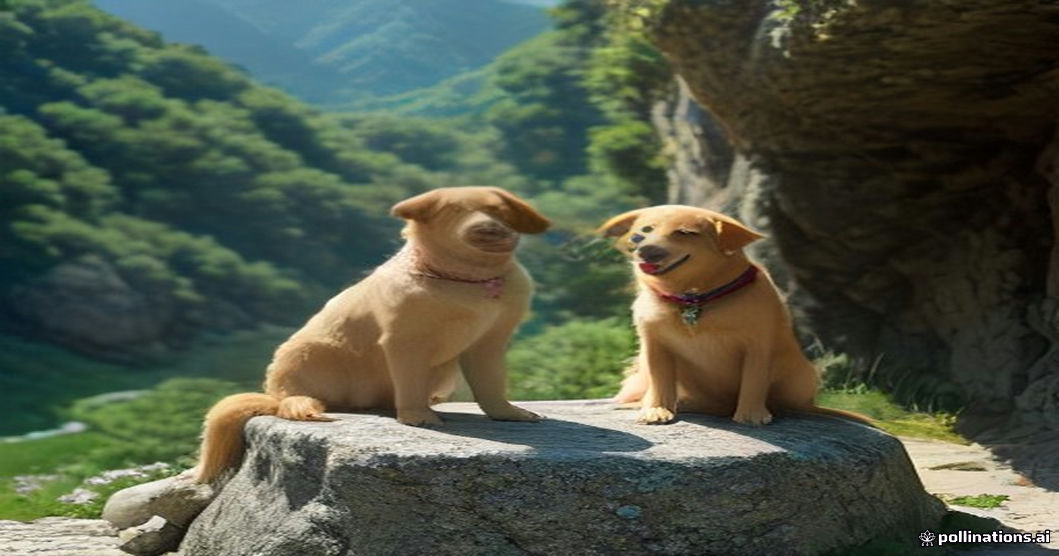
Tucked within the rugged gorges of Andalusia, Setenil de las Bodegas stands out as one of Spain’s most visually breathtaking pueblos blancos (white towns). Unlike settlements built on fortified hilltops, Setenil evolved directly into the cliffs carved by the Trejo River, with whitewashed homes and sunlit cafes tucked beneath massive, overhanging basalt and limestone boulders. For adventurous pet owners, strolling through famous streets like the Cuevas del Sol (Caves of the Sun) and Cuevas de la Sombra (Caves of the Shade) presents an unforgettable experience. However, exploring a cliffside town with your four-legged companion requires careful veterinary preparation to keep them safe, comfortable, and healthy.
Navigating Microclimates and Paw Health
One of the primary benefits of Setenil’s unique geography is the natural cooling provided by the cavernous rock roofs. Even during blistering southern Spanish summers, streets like Cuevas de la Sombra remain noticeably cooler than surrounding plateaus. However, stepping out of these rock tunnels into open sunlight can cause immediate thermal spikes. Dogs regulate heat primarily through panting and their paw pads, making sudden transitions between cool cave air and sun-baked cobblestones challenging. Always check the stone pavement with the back of your hand for seven seconds; if it is too hot for your skin, it can quickly cause severe thermal burns to canine footpads.
Endemic Parasitic Threats in Southern Spain
Setenil de las Bodegas is bordered by fertile riverbanks and rural Andalusian countryside, environments where specific vector-borne diseases thrive. Foremost among these is Canine Leishmaniasis, a chronic and potentially fatal systemic disease transmitted by the bite of the phlebotomine sandfly. Sandflies are particularly active from dusk till dawn near riparian corridors like the Río Trejo. Prior to visiting Andalusia, ensure your dog is protected with an approved sandfly-repellent collar (such as deltamethrin) or topical spot-on treatments, and consult your veterinarian regarding preventative vaccination. Furthermore, local tall grasses harbor ticks capable of transmitting ehrlichiosis and babesiosis, demanding regular full-body checks after every walk.
Navigating Steep Inclines and Rocky Hazards
The town’s dramatic architecture translates to steep alleys, historic stone stairs, and narrow sidewalks flanked by vehicular traffic. For senior pets or breeds predisposed to joint disorders such as hip dysplasia or IVDD (intervertebral disc disease), navigating these gradients can trigger orthopedic strain. Keep dogs on a secure, non-retractable harness to maintain close control near precipitous drops and sheer drops along the river walls. Ensure you carry canine-specific electrolyte solutions and a portable water bowl, offering fresh hydration frequently to prevent dehydration on strenuous uphill climbs.
Cafe Etiquette and Stress Management
Much of Setenil’s charm lies in its bustling cafe culture set beneath dramatic geological ceilings. While many terraces welcome well-mannered pets, the tight quarters, ambient echoes off stone walls, and high tourist density can induce sensory overload in sensitive dogs. Choose a corner table that offers your dog a quiet retreat away from heavy foot traffic, and bring a familiar resting mat to signal relaxation. By addressing environmental hazards and respecting local leash laws, you and your companion can safely revel in the prehistoric grandeur of this Andalusian wonder.