Autumn Splendor at Lake Dobbiaco: A Veterinarian’s Guide to Canine Mountain Safety
Autumn at Lake Dobbiaco in Italy is a time when nature transforms into a living painting. Located in the heart of the Dolomites, the lake becomes a sanctuary of gold, amber, and crimson, offering pet owners a unique opportunity to bond with their animals in one of the world’s most beautiful settings. However, as a […]
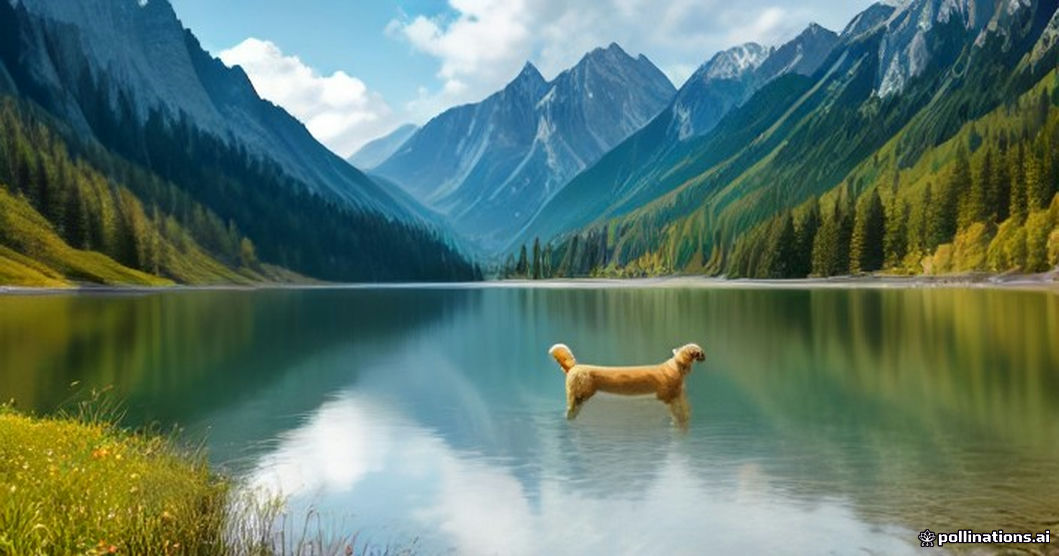
Autumn at Lake Dobbiaco in Italy is a time when nature transforms into a living painting. Located in the heart of the Dolomites, the lake becomes a sanctuary of gold, amber, and crimson, offering pet owners a unique opportunity to bond with their animals in one of the world’s most beautiful settings. However, as a veterinarian, I know that these stunning seasonal transitions also bring specific health and safety considerations for our four-legged companions.
The Ideal Climate for Canine Fitness
The cooler temperatures of a South Tyrolean autumn are far more suitable for physical exertion than the humid summer months. Brachycephalic breeds, such as Boxers and Bulldogs, who often struggle with heat regulation, find the crisp mountain air at Lake Dobbiaco invigorating. This allows for longer walks along the accessible 4.5-kilometer circuit around the lake, providing essential cardiovascular exercise and mental stimulation through the rich scents of the changing forest floor.
Autumn Health Hazards in the Dolomites
While the scenery is breathtaking, the seasonal shift requires vigilant pet care. Autumn is a peak time for ticks in high-grass areas surrounding the lake, and even in cooler weather, these parasites remain active. Ensure your pet is up to date on their veterinary-approved parasite prevention before heading into the woods. Additionally, the fallen leaves can hide jagged rocks or damp, slippery roots that may cause ligament injuries or paw pad lacerations. I recommend carrying a basic pet first-aid kit and checking your dog’s paws daily for any signs of irritation or injury.
Hydration and Nutrition on the Trail
It is a common misconception that pets need less water in cooler weather. The dry mountain air can lead to rapid dehydration during a hike. Avoid letting your dog drink directly from the lake or standing puddles, as these can be breeding grounds for bacteria like Leptospirosis or parasites such as Giardia. Always carry fresh, filtered water and offer it frequently. Furthermore, because dogs burn more calories to maintain their body temperature in the autumn chill, consider slightly increasing their protein intake during your mountain stay to support muscle recovery and thermoregulation.
Safety and Wildlife Etiquette
The beauty of Lake Dobbiaco is shared with local wildlife, including deer and various bird species that are particularly active before winter. For the safety of the ecosystem and your pet, keep your dog on a sturdy leash. This prevents them from wandering into freezing waters—which can lead to hypothermia in smaller or short-haired breeds—and ensures they don’t ingest toxic mushrooms or berries that thrive in the damp autumn soil. By following these professional health tips, you can ensure your autumn escape to Italy remains a safe and unforgettable experience for you and your pet.
Written by Mohammed Murtaja
Editor-in-Chief & Executive Publisher of ZooPulse. Senior investigative journalist directing evidence-based research, veterinary science verification, and editorial governance.
Related Stories
 Uncategorized
Discovering Daphnia: The Tiny Crustacean Powering Aquatic Ecosystems and Fish Health
Introduction to Daphnia: The Marvel of Freshwater Plankton When we think of pet care and aquatic nutrition, our minds often jump straight to commercial fish flakes and pellets. However, professional veterinarians and experienced aquarists know that nature provides some of the best nutritional sources available. Enter Daphnia, commonly known as the water flea. This microscopic […]
 Uncategorized
Chilling Realities: How Amur Tigers Survive Sub-Zero Winters in the Wild
The Ultimate Survivors of the Snow Deep within the vast expanses of the world’s largest tiger reserve, a remarkable spectacle of survival unfolds as temperatures plummet far below freezing. In these harsh winter conditions, majestic Amur tigers—often referred to as Siberian tigers—demonstrate incredible resilience by occasionally huddling together to conserve vital body heat. As veterinary […]
 Uncategorized
Unveiling the Dancing Shrimp: Rhynchocinetes uritai in Nature and Aquaria
Introduction to the Dancing Shrimp Native to the vibrant waters of the Indo-Pacific region, including the coastal areas of Japan, Korea, and the northern Pacific, Rhynchocinetes uritai—commonly known as the Dancing Shrimp—is a fascinating marine crustacean. Thriving in shallow waters ranging from 1 to 5 meters deep, these social creatures are typically found congregating in […]