Discovering Daphnia: The Tiny Crustacean Powering Aquatic Ecosystems and Fish Health
Introduction to Daphnia: The Marvel of Freshwater Plankton When we think of pet care and aquatic nutrition, our minds often jump straight to commercial fish flakes and pellets. However, professional veterinarians and experienced aquarists know that nature provides some of the best nutritional sources available. Enter Daphnia, commonly known as the water flea. This microscopic […]
Introduction to Daphnia: The Marvel of Freshwater Plankton
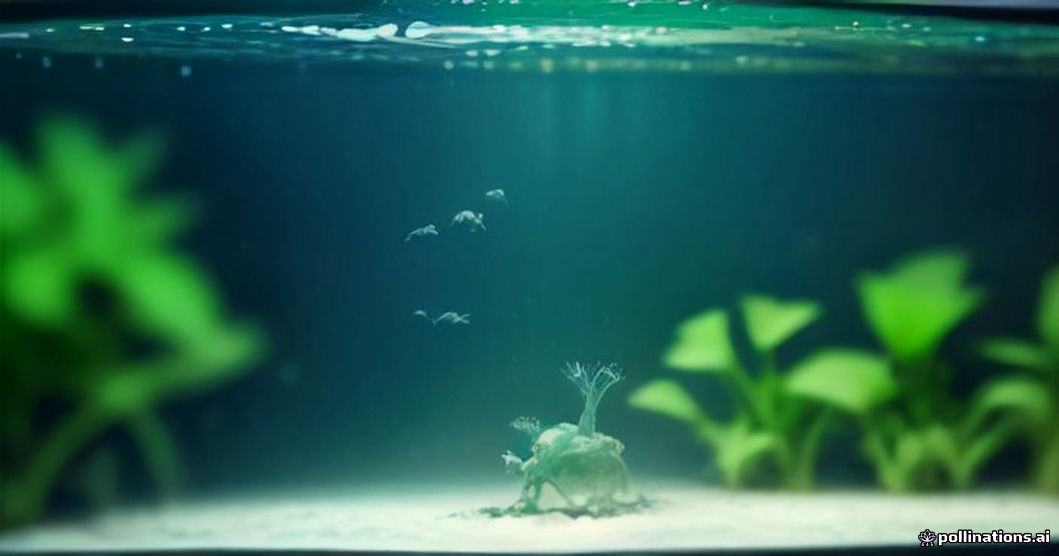
When we think of pet care and aquatic nutrition, our minds often jump straight to commercial fish flakes and pellets. However, professional veterinarians and experienced aquarists know that nature provides some of the best nutritional sources available. Enter Daphnia, commonly known as the water flea. This microscopic crustacean is a dominant force in freshwater plankton communities across the globe, serving as a fascinating subject for zoologists and a vital nutritional staple for fish farmers and hobbyists alike.
Species Diversity and Locomotion
While there are numerous species of Daphnia varying in size and habitat, one of the most remarkable is the largest of the group: Simocephalus, which can reach an impressive size of up to 5mm. Observing these tiny creatures under a magnifying glass or aquarium light reveals their unique method of propulsion. They dart rapidly through the water column, creating distinctive waves with their prominent rear antennae. Their behavior is remarkably diverse depending on the species and environment; some varieties prefer to swim near the surface waters, while others actively crawl along submerged aquatic plants or the seafloor sediment.
The Nutritional Superfood for Aquatic Pets
Beyond their ecological significance, Daphnia are exceptionally well-known in the aquarium and aquaculture industries. Fed to fish either live, frozen, or freeze-dried, they offer a phenomenal source of natural dietary fiber and essential nutrients that promote optimal digestion and vibrant coloration in ornamental fish. Because of their high demand, these micro-crustaceans are cultivated worldwide. In fact, in densely populated natural blooms or high-density aquaculture setups, their sheer numbers can become so vast that they visibly tint the water a rich brownish hue.
Conclusion: Planktonic and Benthic Wonders
Whether floating freely as plankton or creeping along benthic surfaces, Daphnia bridge the gap between microscopic ecology and practical pet nutrition. Understanding and utilizing these fascinating crustaceans can significantly enhance the health, vitality, and natural foraging behaviors of your aquatic pets.
Written by Mohammed Murtaja
Editor-in-Chief & Executive Publisher of ZooPulse. Senior investigative journalist directing evidence-based research, veterinary science verification, and editorial governance.
Related Stories
 Uncategorized
Autumn Splendor at Lake Dobbiaco: A Veterinarian’s Guide to Canine Mountain Safety
Autumn at Lake Dobbiaco in Italy is a time when nature transforms into a living painting. Located in the heart of the Dolomites, the lake becomes a sanctuary of gold, amber, and crimson, offering pet owners a unique opportunity to bond with their animals in one of the world’s most beautiful settings. However, as a […]
 Uncategorized
Chilling Realities: How Amur Tigers Survive Sub-Zero Winters in the Wild
The Ultimate Survivors of the Snow Deep within the vast expanses of the world’s largest tiger reserve, a remarkable spectacle of survival unfolds as temperatures plummet far below freezing. In these harsh winter conditions, majestic Amur tigers—often referred to as Siberian tigers—demonstrate incredible resilience by occasionally huddling together to conserve vital body heat. As veterinary […]
 Uncategorized
Unveiling the Dancing Shrimp: Rhynchocinetes uritai in Nature and Aquaria
Introduction to the Dancing Shrimp Native to the vibrant waters of the Indo-Pacific region, including the coastal areas of Japan, Korea, and the northern Pacific, Rhynchocinetes uritai—commonly known as the Dancing Shrimp—is a fascinating marine crustacean. Thriving in shallow waters ranging from 1 to 5 meters deep, these social creatures are typically found congregating in […]