Chilling Realities: How Amur Tigers Survive Sub-Zero Winters in the Wild
The Ultimate Survivors of the Snow Deep within the vast expanses of the world’s largest tiger reserve, a remarkable spectacle of survival unfolds as temperatures plummet far below freezing. In these harsh winter conditions, majestic Amur tigers—often referred to as Siberian tigers—demonstrate incredible resilience by occasionally huddling together to conserve vital body heat. As veterinary […]

The Ultimate Survivors of the Snow
Deep within the vast expanses of the world’s largest tiger reserve, a remarkable spectacle of survival unfolds as temperatures plummet far below freezing. In these harsh winter conditions, majestic Amur tigers—often referred to as Siberian tigers—demonstrate incredible resilience by occasionally huddling together to conserve vital body heat. As veterinary experts, we marvel at how these apex predators have evolved specialized physiological adaptations to thrive in some of the most unforgiving climates on Earth.
Physiological Marvels of the Amur Tiger
Enduring sub-zero temperatures requires more than just thick fur. The Amur tiger possesses a dense, paler winter coat accompanied by a thick layer of subcutaneous fat, which acts as essential thermal insulation. Furthermore, their large paws act like natural snowshoes, distributing their immense weight evenly across deep drifts. Behavioral thermoregulation, such as seeking wind-protected dens and communal resting during extreme cold snaps, plays an equally crucial role in their winter survival strategy, reducing energy expenditure when prey is scarce.
Conservation and Habitat Preservation
Protecting these magnificent big cats in their natural habitat remains one of the top priorities for global wildlife veterinarians and conservationists. Maintaining expansive, connected reserves ensures that Amur tigers can roam, hunt, and find adequate shelter without human encroachment. By understanding their complex behavioral and physiological needs, we can better support global conservation initiatives dedicated to safeguarding the future of this endangered subspecies against the backdrop of changing global climates.
Written by Mohammed Murtaja
Editor-in-Chief & Executive Publisher of ZooPulse. Senior investigative journalist directing evidence-based research, veterinary science verification, and editorial governance.
Related Stories
 Uncategorized
Unveiling the Dancing Shrimp: Rhynchocinetes uritai in Nature and Aquaria
Introduction to the Dancing Shrimp Native to the vibrant waters of the Indo-Pacific region, including the coastal areas of Japan, Korea, and the northern Pacific, Rhynchocinetes uritai—commonly known as the Dancing Shrimp—is a fascinating marine crustacean. Thriving in shallow waters ranging from 1 to 5 meters deep, these social creatures are typically found congregating in […]
 Uncategorized
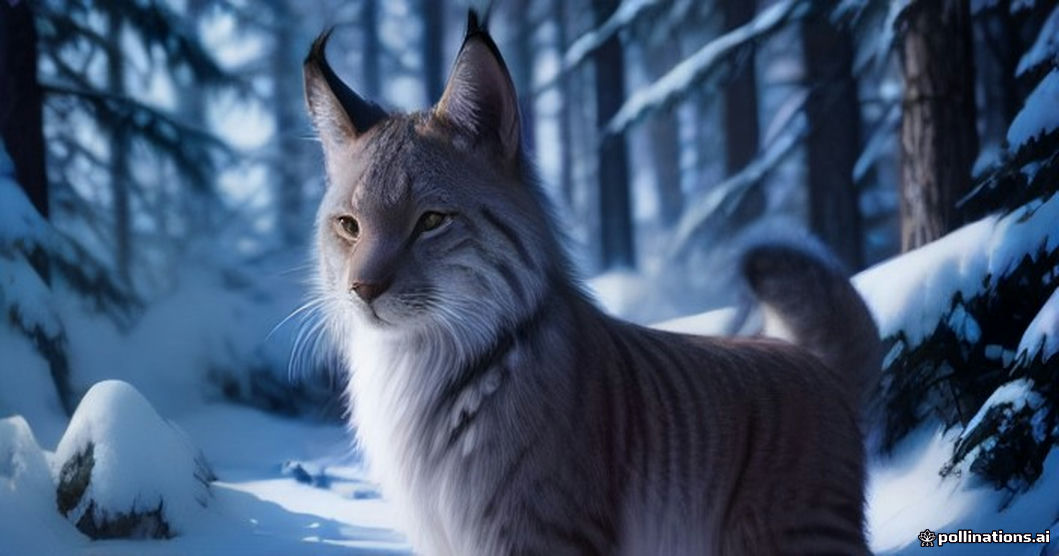
Unveiling the Mysterious Lynx: Why This Elusive Feline Defies Feline Fear
Introduction to the Ghost of the Woods When we think of wild felines, our minds typically conjure images of elusive predators that flee at the mere scent of a human. From stealthy leopards to cautious bobcats, most wild cats possess an innate wariness of mankind. However, the majestic lynx stands apart as one of the […]
 Uncategorized
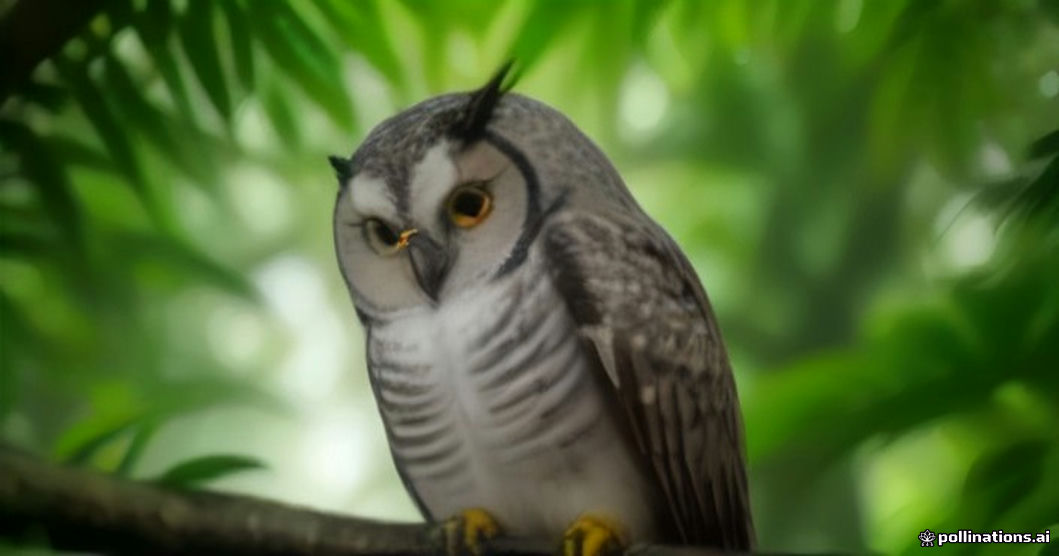
Unveiling the Mysteries of the Spectacled Owl: A Comprehensive Avian Overview
Introduction to the Spectacled Owl The Spectacled Owl (Pulsatrix perspicillata) is one of the most charismatic and visually striking raptors native to the Neotropical realms. Inhabiting regions across South America up to 1,000 meters above sea level, this magnificent bird thrives in diverse environments ranging from humid tropical forests and wooded savannahs to dry forests. […]