Avian Majesty of the Canopy: Understanding the Great Indian Hornbill
Introduction to the Great Indian Hornbill As a veterinarian and avian care specialist, encountering species of extraordinary scale and ecological significance is always awe-inspiring. The Great Indian Hornbill (Buceros bicornis), also widely recognized as the Great Hornbill, stands proudly as the largest member of the diverse hornbill family. Boasting a remarkable body length that can […]
Introduction to the Great Indian Hornbill
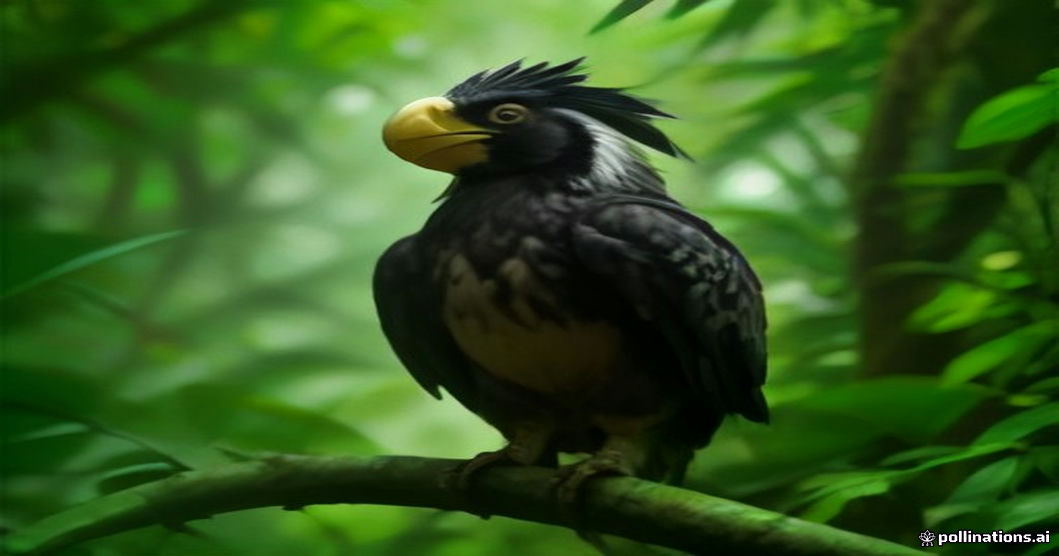
As a veterinarian and avian care specialist, encountering species of extraordinary scale and ecological significance is always awe-inspiring. The Great Indian Hornbill (Buceros bicornis), also widely recognized as the Great Hornbill, stands proudly as the largest member of the diverse hornbill family. Boasting a remarkable body length that can reach up to 1.5 meters, this magnificent creature is instantly recognizable by its impressive physical proportions and vibrant, contrasting plumage.
Natural Habitat and Geographic Distribution
The native range of the Great Indian Hornbill spans across diverse tropical landscapes, extending from Western India eastward through Thailand, and stretching southward via the Malay Peninsula to the lush Indonesian island of Sumatra. Within these regions, these specialized birds exclusively inhabit the uppermost strata of tropical rainforests. They display a distinct ecological preference for the towering peaks of evergreen trees, which provide both a secure nesting environment and a reliable, year-round abundance of food sources.
Behavior, Social Dynamics, and Communication
In their natural environment, Great Indian Hornbills spend a significant portion of their day navigating the forest canopy in search of sustenance. Observers frequently spot them soaring gracefully in bonded pairs or small, tight-knit flocks high above the forest floor. To maintain social cohesion across vast distances of dense foliage, these birds rely on a sophisticated repertoire of loud, resonant vocalizations, including deep rolling roars and distinctive clucking sounds.
Lifespan in Human Care and Cultural Significance
Beyond their ecological role as vital seed dispersers, Great Hornbills hold profound cultural value, often featuring prominently in the traditional rituals and folklore of indigenous communities within their native range. When managed under optimal zoological or specialized avian care conditions, these resilient birds can achieve an astonishing lifespan of up to 50 years, requiring meticulous dietary management and robust environmental enrichment to thrive.
Veterinary Spotlight: The Remarkable Casque
A fascinating anatomical feature of the Great Hornbill is its oversized, brightly colored beak topped with a prominent casque. From an avian health and evolutionary perspective, this striking structure is far more than just an aesthetic ornament; it plays crucial functional roles in resonance amplification during vocalization and serves as a tool for interaction within their complex ecosystem.
Written by Mohammed Murtaja
Editor-in-Chief & Executive Publisher of ZooPulse. Senior investigative journalist directing evidence-based research, veterinary science verification, and editorial governance.
Related Stories
 Uncategorized
Unveiling Shilong Cave: Guizhou’s Subterranean Wonder and Ecosystem
Deep within the mist-shrouded landscapes of Guizhou Province lies Shilong Cave, a breathtaking testament to the artistic power of water and time. As one of the deepest and longest cave systems on the continent, this subterranean marvel invites us into a hidden realm that has evolved over millions of years, shaping not only geological wonders […]
 Uncategorized
Unveiling the Goliath Tigerfish: The Apex Predator of the Congo River
Introduction to the Congo River’s Most Feared Inhabitant Deep within the turbulent and powerful waters of the Congo River basin lurks one of the most formidable freshwater predators on Earth: the Goliath Tigerfish. As a veterinarian and aquatic animal health expert, I am endlessly fascinated by the extreme adaptations that allow species to thrive in […]
 Uncategorized
The Fascinating Anatomy of Avian Tails: Courtship, Thermoregulation, and Health
Introduction to Avian Adaptations In the intricate world of avian biology, every feature serves a vital purpose for survival and reproduction. Among these, the tail stands out as a multifunctional marvel of nature. Far more than just a decorative feature, it plays a crucial role in their courtship displays and helps them regulate their body […]