The Fascinating Anatomy of Avian Tails: Courtship, Thermoregulation, and Health
Introduction to Avian Adaptations In the intricate world of avian biology, every feature serves a vital purpose for survival and reproduction. Among these, the tail stands out as a multifunctional marvel of nature. Far more than just a decorative feature, it plays a crucial role in their courtship displays and helps them regulate their body […]
Introduction to Avian Adaptations
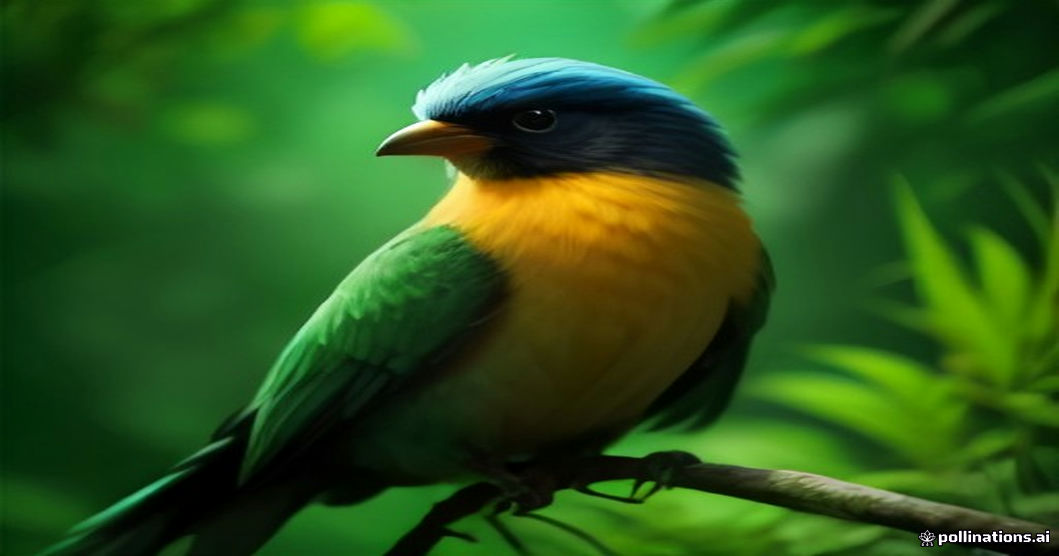
In the intricate world of avian biology, every feature serves a vital purpose for survival and reproduction. Among these, the tail stands out as a multifunctional marvel of nature. Far more than just a decorative feature, it plays a crucial role in their courtship displays and helps them regulate their body temperature, acting as both a visual masterpiece and a physiological tool.
The Role of the Tail in Courtship and Communication
During mating seasons, birds rely heavily on visual cues to attract compatible partners. Elaborate tail feathers are often the centerpiece of these rituals, showcasing genetic fitness, vitality, and overall health. Species such as peacocks, birds of paradise, and hummingbirds use complex aerodynamics and striking plumage patterns during courtship displays to communicate dominance and desirability to potential mates.
Thermoregulation: Keeping Cool and Staying Warm
Beyond social interactions, the tail is essential for maintaining internal homeostasis. Birds lack sweat glands, making thermoregulation a unique challenge. By manipulating the blood flow to specialized vascular networks within the tail feathers and surrounding skin, or by using the tail to shade their bodies from intense sunlight, birds can effectively manage their core temperature in fluctuating environmental conditions.
Veterinary Insights on Avian Tail Health
As a pet care expert and veterinarian, I often examine avian tails as a primary indicator of overall health. Nutritional deficiencies, stress, and systemic illnesses frequently manifest first in poor feather condition or tail-plucking behaviors. Ensuring a balanced diet rich in essential amino acids and providing a stress-free environment is paramount to maintaining the structural integrity of these vital feathers.
Conclusion
The avian tail is a testament to the evolutionary perfection of birds, bridging the gap between breathtaking beauty and critical physiological function. By understanding the multifaceted roles these feathers play, pet owners and avian enthusiasts can better appreciate and care for their feathered companions, ensuring they lead healthy, vibrant lives.
Written by Mohammed Murtaja
Editor-in-Chief & Executive Publisher of ZooPulse. Senior investigative journalist directing evidence-based research, veterinary science verification, and editorial governance.
Related Stories
 Uncategorized
Unveiling Shilong Cave: Guizhou’s Subterranean Wonder and Ecosystem
Deep within the mist-shrouded landscapes of Guizhou Province lies Shilong Cave, a breathtaking testament to the artistic power of water and time. As one of the deepest and longest cave systems on the continent, this subterranean marvel invites us into a hidden realm that has evolved over millions of years, shaping not only geological wonders […]
 Uncategorized
Avian Majesty of the Canopy: Understanding the Great Indian Hornbill
Introduction to the Great Indian Hornbill As a veterinarian and avian care specialist, encountering species of extraordinary scale and ecological significance is always awe-inspiring. The Great Indian Hornbill (Buceros bicornis), also widely recognized as the Great Hornbill, stands proudly as the largest member of the diverse hornbill family. Boasting a remarkable body length that can […]
 Uncategorized
Unveiling the Goliath Tigerfish: The Apex Predator of the Congo River
Introduction to the Congo River’s Most Feared Inhabitant Deep within the turbulent and powerful waters of the Congo River basin lurks one of the most formidable freshwater predators on Earth: the Goliath Tigerfish. As a veterinarian and aquatic animal health expert, I am endlessly fascinated by the extreme adaptations that allow species to thrive in […]