Unveiling the Goliath Tigerfish: The Apex Predator of the Congo River
Introduction to the Congo River’s Most Feared Inhabitant Deep within the turbulent and powerful waters of the Congo River basin lurks one of the most formidable freshwater predators on Earth: the Goliath Tigerfish. As a veterinarian and aquatic animal health expert, I am endlessly fascinated by the extreme adaptations that allow species to thrive in […]
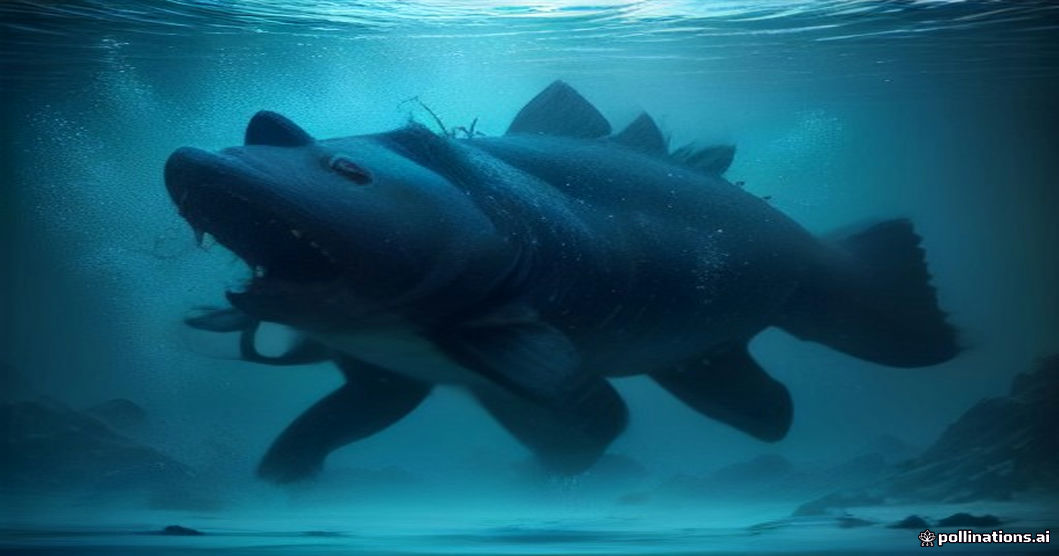
Introduction to the Congo River’s Most Feared Inhabitant
Deep within the turbulent and powerful waters of the Congo River basin lurks one of the most formidable freshwater predators on Earth: the Goliath Tigerfish. As a veterinarian and aquatic animal health expert, I am endlessly fascinated by the extreme adaptations that allow species to thrive in such hostile environments. This magnificent yet terrifying fish is a true marvel of evolutionary engineering.
Anatomy of a Apex Hunter: Size and Armor
Growing to lengths exceeding one meter and tipping the scales at dozens of kilograms, the Goliath Tigerfish commands immediate respect. Its sleek, torpedo-shaped body is perfectly sculpted for navigating the ferocious, swirling currents of its native habitat. Unlike many slower-moving river fish, this predator possesses immense muscular strength and endurance, allowing it to ambush prey with lightning speed and precision.
The Terrifying Dentition: Nature’s Deadliest Trap
The true standout feature of the Goliath Tigerfish is its jaw. Armed with massive, interlocking fangs that can reach up to an inch in length, its bite is engineered to slice through flesh effortlessly. Much like sharks, this species possesses a unique dental mechanism allowing it to replace its teeth in groups throughout its lifetime, ensuring its lethal weapon is never dull for long.
Sensory Adaptations and Diet
How does such a large predator hunt in murky, rushing waters? The Goliath Tigerfish relies heavily on a specialized lateral line system capable of detecting subtle low-frequency vibrations in the water. This allows it to home in on unsuspecting fish with pinpoint accuracy, making it an efficient and relentless hunter at the top of the aquatic food chain.
Written by Mohammed Murtaja
Editor-in-Chief & Executive Publisher of ZooPulse. Senior investigative journalist directing evidence-based research, veterinary science verification, and editorial governance.
Related Stories
 Uncategorized
Unveiling Shilong Cave: Guizhou’s Subterranean Wonder and Ecosystem
Deep within the mist-shrouded landscapes of Guizhou Province lies Shilong Cave, a breathtaking testament to the artistic power of water and time. As one of the deepest and longest cave systems on the continent, this subterranean marvel invites us into a hidden realm that has evolved over millions of years, shaping not only geological wonders […]
 Uncategorized
Avian Majesty of the Canopy: Understanding the Great Indian Hornbill
Introduction to the Great Indian Hornbill As a veterinarian and avian care specialist, encountering species of extraordinary scale and ecological significance is always awe-inspiring. The Great Indian Hornbill (Buceros bicornis), also widely recognized as the Great Hornbill, stands proudly as the largest member of the diverse hornbill family. Boasting a remarkable body length that can […]
 Uncategorized
The Fascinating Anatomy of Avian Tails: Courtship, Thermoregulation, and Health
Introduction to Avian Adaptations In the intricate world of avian biology, every feature serves a vital purpose for survival and reproduction. Among these, the tail stands out as a multifunctional marvel of nature. Far more than just a decorative feature, it plays a crucial role in their courtship displays and helps them regulate their body […]