Unveiling Shilong Cave: Guizhou’s Subterranean Wonder and Ecosystem
Deep within the mist-shrouded landscapes of Guizhou Province lies Shilong Cave, a breathtaking testament to the artistic power of water and time. As one of the deepest and longest cave systems on the continent, this subterranean marvel invites us into a hidden realm that has evolved over millions of years, shaping not only geological wonders […]
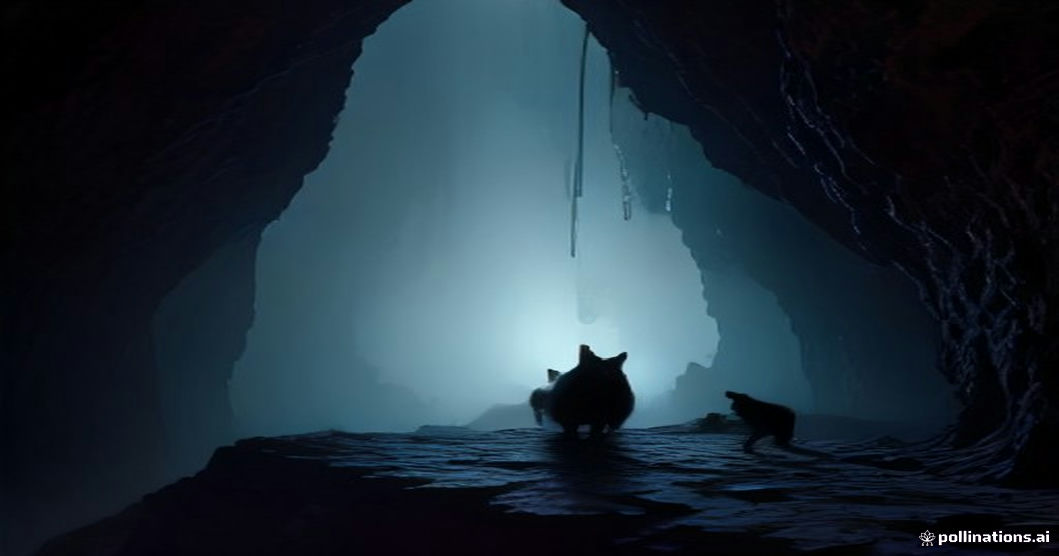
Deep within the mist-shrouded landscapes of Guizhou Province lies Shilong Cave, a breathtaking testament to the artistic power of water and time. As one of the deepest and longest cave systems on the continent, this subterranean marvel invites us into a hidden realm that has evolved over millions of years, shaping not only geological wonders but unique microhabitats.
The Geological Marvel of Shilong Cave
Carved meticulously through ancient limestone by relentless underground rivers, Shilong Cave boasts vast chambers, towering stalagmites, and delicate stalactites. This intricate labyrinth represents a fragile and pristine environment, largely untouched by the surface world, where every drip of water continues to sculpt the subterranean topography.
Subterranean Ecosystems and Wildlife
While caves like Shilong may appear stark and forbidding, they actually harbor fascinating specialized fauna. Cave-dwelling organisms, or troglobites, have adapted brilliantly to the perpetual darkness, lack of vegetation, and constant temperatures. From translucent fish and unique crustacean species to roosting bat populations, these subterranean ecosystems are vital components of regional biodiversity that require our utmost respect and protection.
Conservation and Responsible Exploration
As adventurers and nature enthusiasts are increasingly drawn to the mysteries of Guizhou’s karst formations, preserving these delicate underground habitats is paramount. Veterinarians and wildlife conservationists emphasize that human intrusion can easily disrupt fragile cave ecosystems and disturb resident bat colonies. Responsible tourism ensures that the natural splendor of Shilong Cave remains intact for future generations of both wildlife and explorers to marvel at.
Written by Mohammed Murtaja
Editor-in-Chief & Executive Publisher of ZooPulse. Senior investigative journalist directing evidence-based research, veterinary science verification, and editorial governance.
Related Stories
 Uncategorized
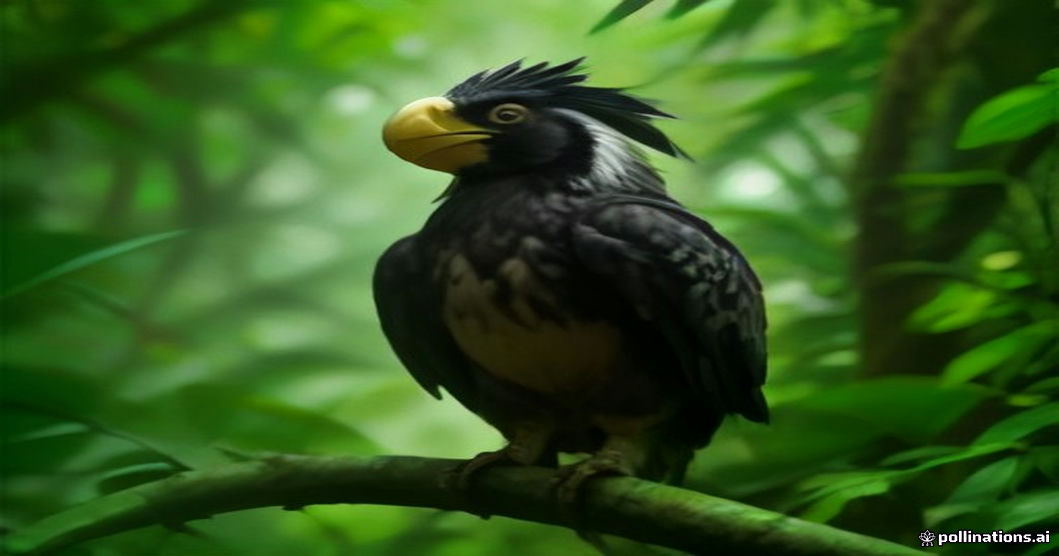
Avian Majesty of the Canopy: Understanding the Great Indian Hornbill
Introduction to the Great Indian Hornbill As a veterinarian and avian care specialist, encountering species of extraordinary scale and ecological significance is always awe-inspiring. The Great Indian Hornbill (Buceros bicornis), also widely recognized as the Great Hornbill, stands proudly as the largest member of the diverse hornbill family. Boasting a remarkable body length that can […]
 Uncategorized
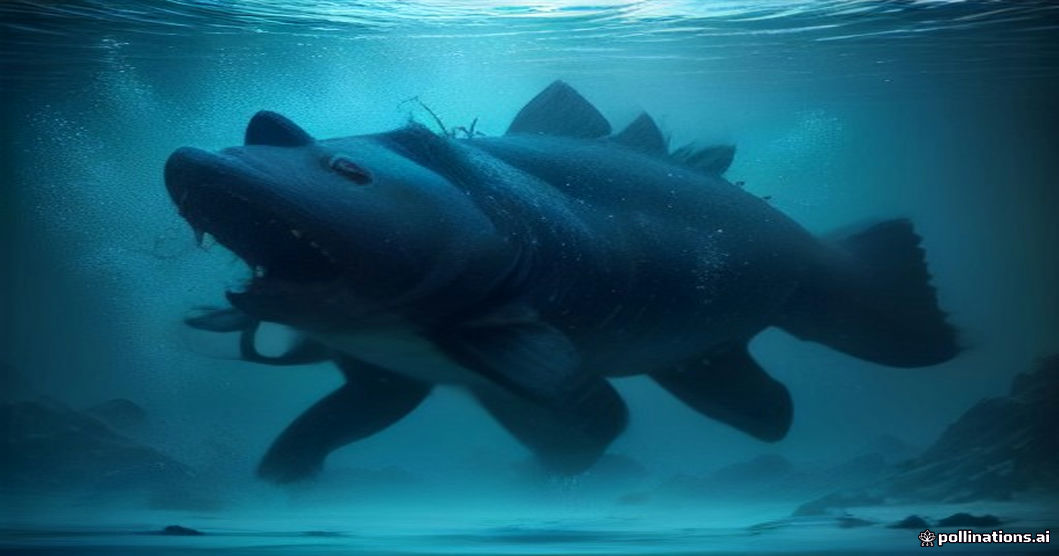
Unveiling the Goliath Tigerfish: The Apex Predator of the Congo River
Introduction to the Congo River’s Most Feared Inhabitant Deep within the turbulent and powerful waters of the Congo River basin lurks one of the most formidable freshwater predators on Earth: the Goliath Tigerfish. As a veterinarian and aquatic animal health expert, I am endlessly fascinated by the extreme adaptations that allow species to thrive in […]
 Uncategorized
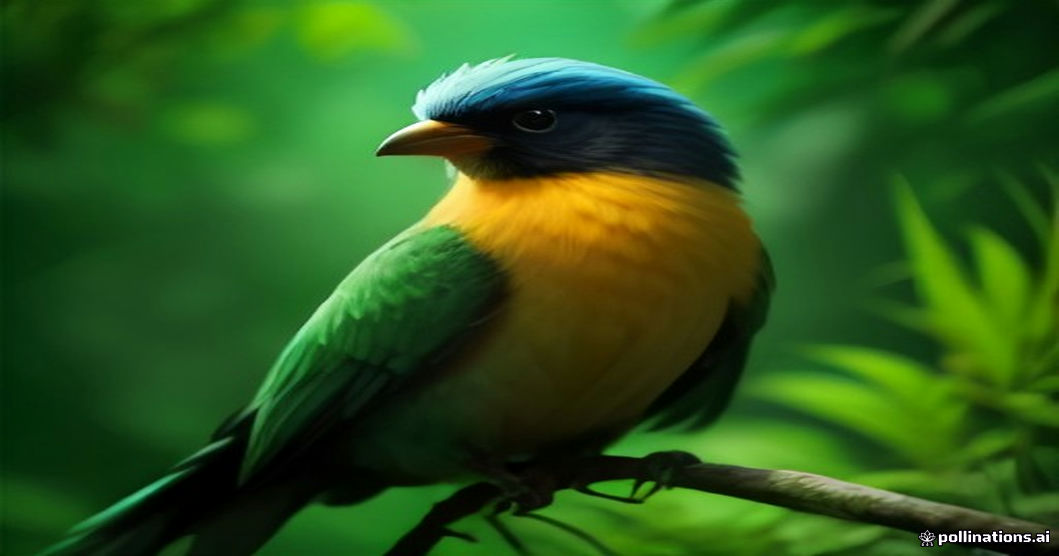
The Fascinating Anatomy of Avian Tails: Courtship, Thermoregulation, and Health
Introduction to Avian Adaptations In the intricate world of avian biology, every feature serves a vital purpose for survival and reproduction. Among these, the tail stands out as a multifunctional marvel of nature. Far more than just a decorative feature, it plays a crucial role in their courtship displays and helps them regulate their body […]