Avian Spotlight: The Fascinating Biology and Behavior of the Common Goldeneye
Introduction to the Common Goldeneye The Common Goldeneye (scientific name: Bucephala clangula), known in some regions as the gogol, is a striking medium-sized sea duck recognized for its large, rounded head, short beak, and high-contrast black-and-white plumage. Thriving across the northern hemisphere’s vast forest zones in both Eurasia and North America, this stocky waterfowl is […]
Introduction to the Common Goldeneye
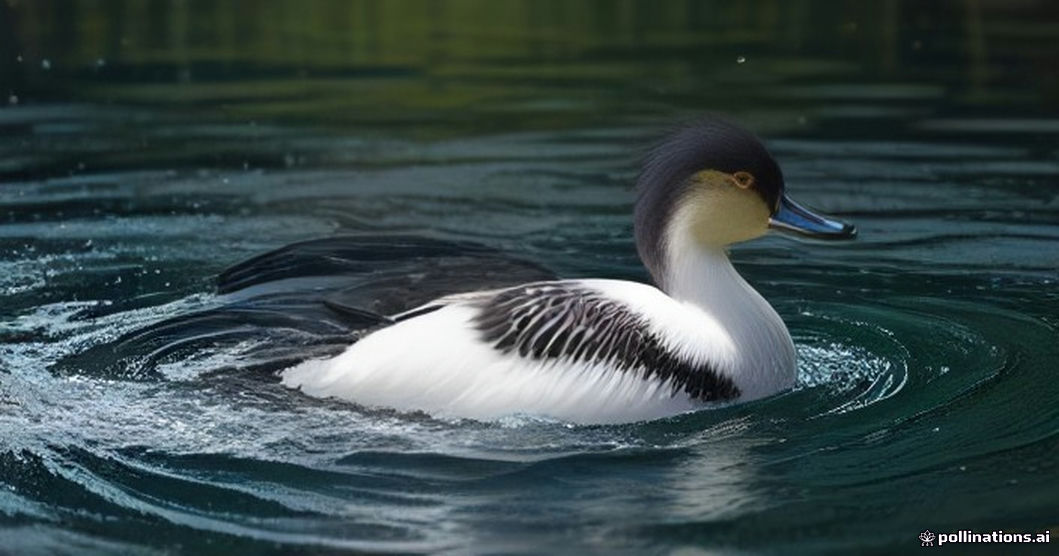
The Common Goldeneye (scientific name: Bucephala clangula), known in some regions as the gogol, is a striking medium-sized sea duck recognized for its large, rounded head, short beak, and high-contrast black-and-white plumage. Thriving across the northern hemisphere’s vast forest zones in both Eurasia and North America, this stocky waterfowl is a true marvel of northern aquatic ecosystems.
Physical Characteristics and Habitat
Characterized by a robust body and a relatively short neck, the Common Goldeneye typically measures between 40 to 50 centimeters in length and weighs anywhere from 750 to 1,250 grams. Unlike many ground-nesting ducks, these birds exhibit a unique arboreal nesting habit, utilizing natural tree cavities located along the shores of pristine forest lakes, ponds, and rivers.
Vocalizations and Courtship Behavior
During the breeding season, courtship displays are both visual and auditory spectacles. The male produces a distinctive, shrill screeching sound resembling “bi-biizzz, surprisezzz,” often accompanied by a low, dry rattle that has been compared to a rabbit’s squeak. In return, the female answers with a characteristic creaky “berr-berr,” solidifying pair bonds in their forested wetland habitats.
Diet and Exceptional Diving Abilities
As expert foragers, Common Goldeneyes spend a significant portion of their daily lives submerged. They feed primarily on aquatic invertebrates, capturing their prey directly off the lakebed, among aquatic plants, or occasionally within the water column. To secure their meals, these ducks dive masterfully, routinely reaching depths of 4 meters or more and remaining underwater for up to 30 seconds at a time.
A Remarkable Diver Comparison
While the Common Goldeneye is an impressive diver, related northern diving ducks take underwater foraging to astonishing extremes. As a fun ecological fact, species like the Long-tailed Duck can dive to incredible depths, sometimes plunging over 60 meters (200 feet) beneath the surface in search of food!
Written by Mohammed Murtaja
Editor-in-Chief & Executive Publisher of ZooPulse. Senior investigative journalist directing evidence-based research, veterinary science verification, and editorial governance.
Related Stories
 Wildlife
Chilling Realities: How Amur Tigers Survive Sub-Zero Winters in the Wild
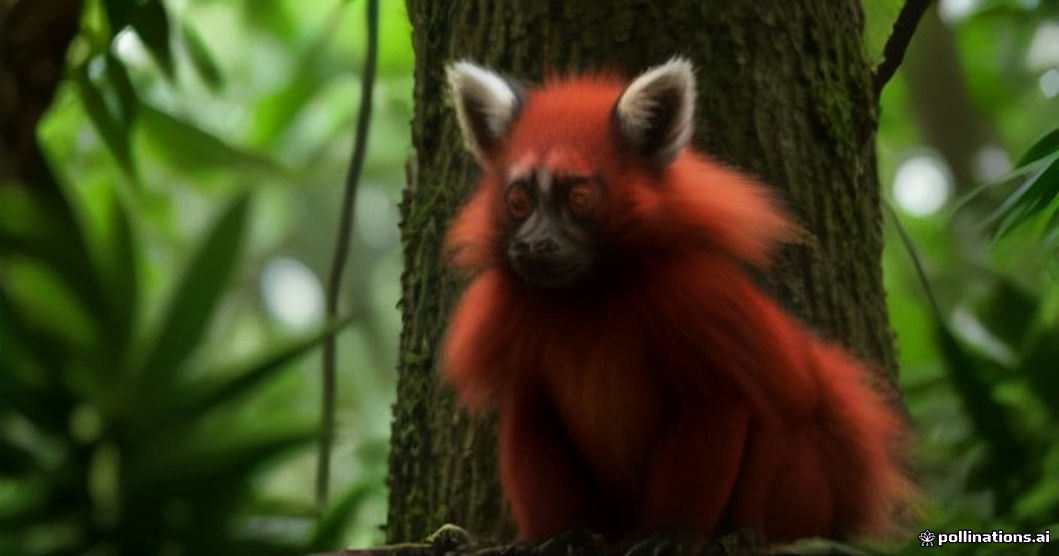
The Ultimate Survivors of the Snow Deep within the vast expanses of the world’s largest tiger reserve, a remarkable spectacle of survival unfolds as temperatures plummet far below freezing. In these harsh winter conditions, majestic Amur tigers—often referred to as Siberian tigers—demonstrate incredible resilience by occasionally huddling together to conserve vital body heat. As veterinary […]
 Wildlife
Jewel of the Masoala: A Deep Dive into the Endangered Red Ruffed Lemur
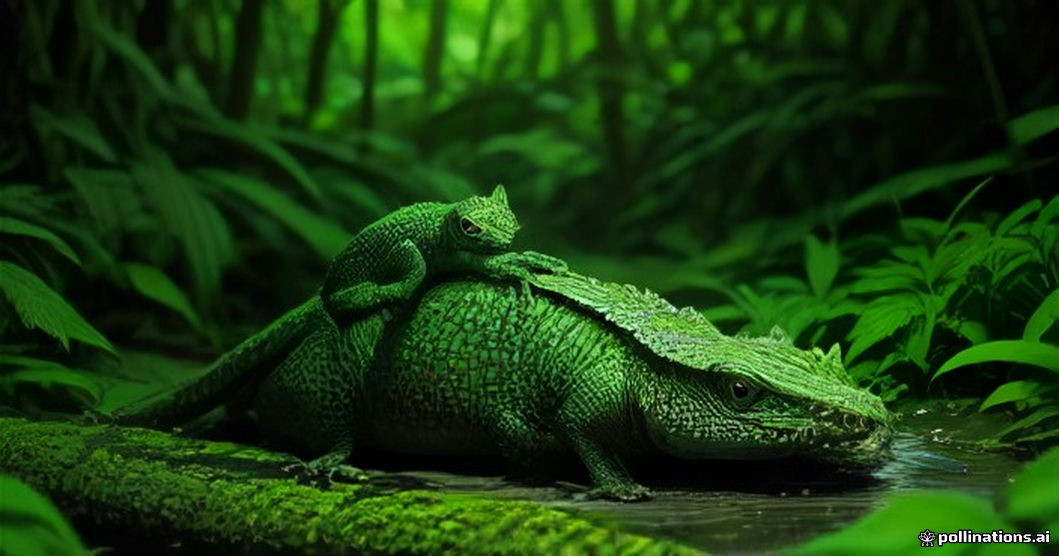
An Iconic Arboreal Specialist The Red Ruffed Lemur (Varecia rubra) stands as one of the most striking primates in the primate kingdom and holds the distinction of being one of the largest lemur species native to Madagascar. Distinguished by its thick, vibrant red pelage that contrasts sharply against a jet-black head, paws, and tail, this […]
 Wildlife
Unveiling the Wonders of the Amazon: The Caiman Lizard and Smooth-Fronted Caiman
Introduction to the Caiman Lizard The Caiman Lizard (Dracaena guianensis) is a magnificent, large semi-aquatic reptile native to the lush riverine forests of South America. Known for its striking appearance, it features powerful paired scales along its neck, tail, and back that grant it a distant, prehistoric resemblance to a true crocodile. Typically reaching lengths […]