Jumbo-Sized Ingenuity: How Elephants Master the Art of Eating Watermelon
A Testament to Pachyderm Intelligence When it comes to animal intelligence, elephants consistently amaze researchers and caretakers alike. These magnificent giants possess complex cognitive abilities, exceptional problem-solving skills, and a high degree of manual dexterity, particularly when using their versatile trunks. Recently, observers were left spellbound by an elephant that devised a brilliant, highly efficient […]
A Testament to Pachyderm Intelligence
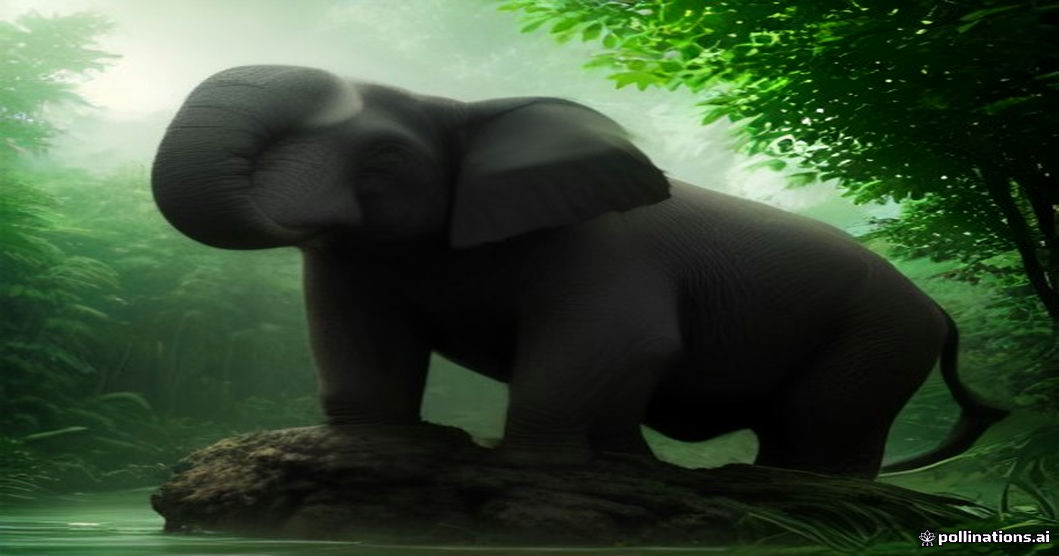
When it comes to animal intelligence, elephants consistently amaze researchers and caretakers alike. These magnificent giants possess complex cognitive abilities, exceptional problem-solving skills, and a high degree of manual dexterity, particularly when using their versatile trunks. Recently, observers were left spellbound by an elephant that devised a brilliant, highly efficient method for consuming a whole watermelon, showcasing the intricate ways these animals interact with their environment.
The Mechanics of Elephant Foraging
In the wild, elephants spend up to 16 hours a day foraging, consuming hundreds of pounds of vegetation. Their diet requires them to process various textures, from tough tree bark to delicate fruits. When presented with a large, intact watermelon—a favorite enrichment treat in sanctuaries and zoos—an elephant doesn’t simply crush it haphazardly. Instead, this particular individual utilized its immense strength combined with delicate motor control. By carefully positioning the watermelon on the ground, the elephant applied precisely targeted pressure using its foot or trunk to crack the rind just enough, minimizing juice loss and making the sweet, hydrating interior easily accessible.
Enrichment and Mental Stimulation in Captivity
Behavioral enrichment is a cornerstone of modern veterinary care and captive animal management. Puzzles and novel food items like whole watermelons do more than just provide nutrition; they stimulate natural foraging behaviors, reduce stress, and prevent boredom. Witnessing an elephant invent a clever technique to harvest a treat highlights the importance of keeping these intelligent creatures mentally engaged. It reminds us that providing complex, species-appropriate challenges is vital for their overall health and psychological well-being.
Conclusion: Respecting the Gentle Giants
Stories like this remind us of the profound depth of animal cognition. Elephants are not just massive herbivores; they are sentient beings capable of innovation and adaptation. By continuing to study and cater to their complex behavioral needs, we can ensure these incredible animals thrive, whether under human care or in the vast expanses of the wild.
Written by Mohammed Murtaja
Editor-in-Chief & Executive Publisher of ZooPulse. Senior investigative journalist directing evidence-based research, veterinary science verification, and editorial governance.
Related Stories
 Animal News
The Kangaroo Longevity Gap: Why Captive Marsupials Outlive Their Wild Counterparts
Understanding Kangaroo Lifespan: Wild vs. Captivity When comparing the lifespan of kangaroos, the statistics present a stark contrast. In their native Australian outback, a wild kangaroo typically has a modest life expectancy of about 6 years. However, when placed under human care in zoos or wildlife sanctuaries, these iconic marsupials can easily live for more […]
 Animal News
Mastering the Art of the Canine Leap: Understanding and Protecting Your Dog’s Athletic Ability
When we watch a dog launch effortlessly into the air to catch a frisbee or clear an obstacle, it is hard not to marvel at the sheer athleticism. A magnificent jump is the culmination of explosive power, precise coordination, and incredible flexibility. As pet care experts and veterinarians, we often celebrate these moments of peak […]
 Animal News
Unveiling the Marabou Stork: Giants of the Savanna and Masters of Adaptation
Introduction to the Impressive Marabou Stork Among all storks, the marabou stands out for its truly impressive size and unmistakable presence. Recognized scientifically, the species is divided into three distinct subspecies: Indian, African, and Javan. In this exploration, we focus on the remarkable African marabou (Leptoptilos crumeniferus), a bird that commands attention wherever it goes. […]