The Kangaroo Longevity Gap: Why Captive Marsupials Outlive Their Wild Counterparts
Understanding Kangaroo Lifespan: Wild vs. Captivity When comparing the lifespan of kangaroos, the statistics present a stark contrast. In their native Australian outback, a wild kangaroo typically has a modest life expectancy of about 6 years. However, when placed under human care in zoos or wildlife sanctuaries, these iconic marsupials can easily live for more […]
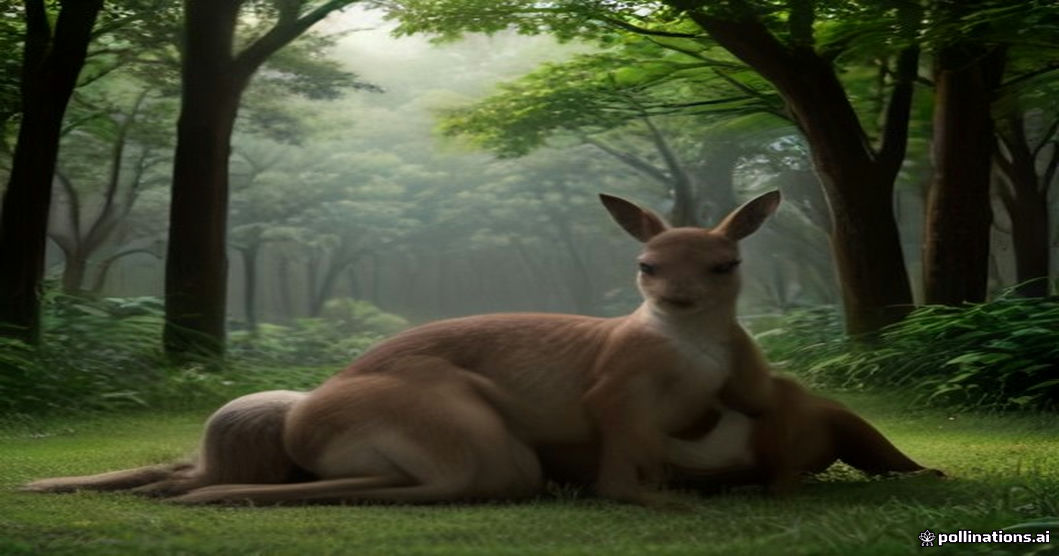
Understanding Kangaroo Lifespan: Wild vs. Captivity
When comparing the lifespan of kangaroos, the statistics present a stark contrast. In their native Australian outback, a wild kangaroo typically has a modest life expectancy of about 6 years. However, when placed under human care in zoos or wildlife sanctuaries, these iconic marsupials can easily live for more than 20 years. As veterinarians and animal care experts, understanding this drastic difference is crucial for improving welfare standards both in captivity and in conservation efforts.
The Harsh Realities of Life in the Wild
Why is the wild lifespan so short? Nature is relentlessly unforgiving. Wild kangaroos face a multitude of life-threatening pressures daily. Predation by dingoes, wedge-tailed eagles, and introduced species poses a constant threat, particularly to joeys and elderly individuals. Furthermore, environmental extremes such as severe droughts and bushfires drastically reduce food and water availability, leading to malnutrition and starvation. Disease, parasitism, and debilitating injuries from territorial fights or vehicular collisions also significantly curtail their years.
The Benefits of a Protected Environment
In stark contrast, captive environments eliminate many of these survival pressures. Zoo veterinarians and specialized wildlife keepers provide a consistent, high-quality diet tailored to the specific nutritional needs of macropods, removing the threat of famine during dry seasons. Additionally, modern zoological facilities offer prompt veterinary medical care, parasite control, and safe enclosures shielded from apex predators and human-wildlife conflicts.
Translating Insights into Conservation
While a 20-year lifespan in captivity highlights the benefits of safety and nutrition, it also poses unique challenges, such as managing age-related conditions like arthritis in older kangaroos. By studying the biological limits and health care needs of captive kangaroos, veterinary professionals can better understand macropod physiology, ultimately aiding conservationists in protecting vulnerable wild populations and improving overall species health and welfare.
Written by Mohammed Murtaja
Editor-in-Chief & Executive Publisher of ZooPulse. Senior investigative journalist directing evidence-based research, veterinary science verification, and editorial governance.
Related Stories
 Uncategorized
Caribbean Spiny Lobsters: The Unsung Guardians of Coral Reefs
The Secret Protectors of the Reef When we think of marine conservation and the health of our coral reefs, colorful fish and apex predators often steal the spotlight. However, deep within the crystal-clear waters of the Caribbean, a remarkable crustacean is quietly working behind the scenes to maintain the delicate balance of its ecosystem. The […]
 Uncategorized
Unveiling the Boat-billed Heron: The Night-Stalking Ghost of the Mangroves
Introduction to the Boat-billed Heron As a veterinarian and wildlife enthusiast, I am always fascinated by the incredible adaptations found in the avian world. The Boat-billed Heron (Cochlearius cochlearius) is one of the most remarkable and visually striking species you can encounter. Distributed from Mexico down to Brazil, this captivating bird inhabits the densely forested […]
 Uncategorized
The Master of Deception: Unveiling the Fascinating and Ruthless Biology of Cuckoo Chicks
Nature’s Most Notorious Impostors Cuckoos (genus Cuculus) are renowned across the avian world for a cunning and specialized reproductive strategy known as brood parasitism. Rather than investing time and energy into building nests, incubating eggs, and rearing their own offspring, female cuckoos rely on psychological and biological trickery. They covertly lay their eggs in the […]