Splashdown: Understanding Water Safety and Swimming Safety for Your Dog
The Joy of Canine Swimming For many dogs, the moment their paws hit the water is pure bliss. Whether it is a refreshing lake, a calm ocean tide, or a backyard pool, aquatic play offers incredible cardiovascular exercise and a fantastic way to cool down during warm weather. However, ensuring a safe ‘splashdown’ requires careful […]
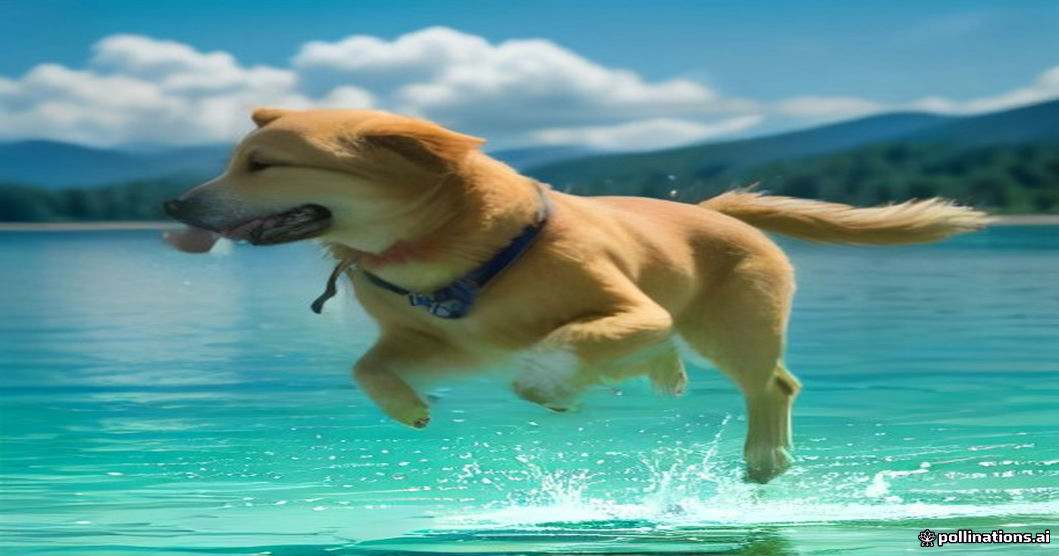
The Joy of Canine Swimming
For many dogs, the moment their paws hit the water is pure bliss. Whether it is a refreshing lake, a calm ocean tide, or a backyard pool, aquatic play offers incredible cardiovascular exercise and a fantastic way to cool down during warm weather. However, ensuring a safe ‘splashdown’ requires careful observation, preparation, and an understanding of your pet’s physical limits.
Assessing Your Dog’s Swimming Ability
A common misconception is that all dogs are natural-born swimmers. While many breeds take to the water with ease, others—such as brachycephalic breeds (like Pugs and Bulldogs) with heavy chests and short snouts—struggle to stay afloat. Always introduce your dog to water gradually in a shallow, calm environment. Pay close attention to signs of fatigue or panic, and never force a reluctant dog into the water.
Essential Water Safety Measures
Protecting your furry friend near water involves a few key precautions. First, always invest in a properly fitted canine life jacket, especially for boating trips or deep-water swimming. Second, be mindful of water quality; stagnant ponds can harbor dangerous blue-green algae, and ocean water should be consumed in moderation to prevent salt poisoning. Finally, always rinse your dog thoroughly after swimming to remove chlorine, salt, and bacteria from their coat and skin, preventing potential irritations and ear infections.
Written by Mohammed Murtaja
Editor-in-Chief & Executive Publisher of ZooPulse. Senior investigative journalist directing evidence-based research, veterinary science verification, and editorial governance.
Related Stories
 Animal News
The Developing Voice: How a Lion Cub Learns to Roar
Introduction to the King’s Call In the vast expanses of the savannah, few sounds are as iconic or as commanding as the roar of an adult lion. Capable of carrying up to five miles, this thunderous vocalization is the ultimate symbol of territorial dominance and social unity. But long before a lion claims its title […]
 Animal News
Unveiling the Dobsonfly: Giants of the Megaloptera Order
Introduction to Dobsonflies As animal health and entomology enthusiasts, we often find ourselves fascinated by the sheer diversity of the insect world. Among the most remarkable creatures is the family Corydalidae, commonly known as dobsonflies, belonging to the ancient insect order Megaloptera. These impressive insects are true goliaths of the skies and aquatic ecosystems alike. […]
 Animal News
The Kangaroo Longevity Gap: Why Captive Marsupials Outlive Their Wild Counterparts
Understanding Kangaroo Lifespan: Wild vs. Captivity When comparing the lifespan of kangaroos, the statistics present a stark contrast. In their native Australian outback, a wild kangaroo typically has a modest life expectancy of about 6 years. However, when placed under human care in zoos or wildlife sanctuaries, these iconic marsupials can easily live for more […]