The Developing Voice: How a Lion Cub Learns to Roar
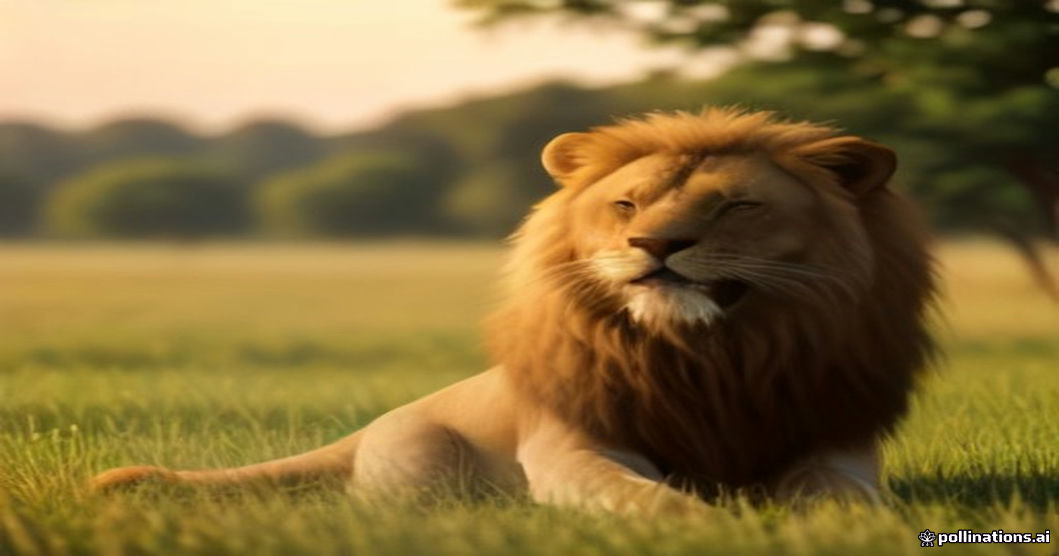
Introduction to the King’s Call In the vast expanses of the savannah, few sounds are as iconic or as commanding as the roar of an adult lion. Capable of carrying up to five miles, this thunderous vocalization is the ultimate symbol of territorial dominance and social unity. But long before a lion claims its title […]
Introduction to the King’s Call
In the vast expanses of the savannah, few sounds are as iconic or as commanding as the roar of an adult lion. Capable of carrying up to five miles, this thunderous vocalization is the ultimate symbol of territorial dominance and social unity. But long before a lion claims its title as king of the jungle, it begins life with a rather humble vocal repertoire. A lion cub learning to roar is not only an adorable milestone, but a fascinating developmental process rooted in animal science and physical growth.
The Anatomy of a Roar
To understand how a cub develops this powerful sound, we must first look at the unique anatomy of the big cat. Unlike purring cats, which have a fixed bone structure in their throats, lions have a specially adapted, flexible hyoid apparatus. This elastic ligament allows the larynx to stretch, producing the deep, resonant frequencies characteristic of a mature roar. In newborn cubs, this vocal apparatus is still developing. Their early vocalizations are a far cry from the terrifying rumble of their parents; instead, they start with high-pitched squeaks, mews, and hesitant grunts.
Milestones in Vocal Development
As cubs grow, so does their voice. Around the age of one month, cubs begin to experiment with vocal projection. Veterinary observations show that these youngsters spend countless hours practicing alongside their mothers and pride members. They mimic the posture, open mouths, and deep diaphragmatic pushes of the adults. Initially, these attempts result in comical, squeaky gurgles that sound more like a domestic kitten than an apex predator. However, as their lung capacity increases and their vocal cords thicken, these mews gradually transform into a raspy, juvenile chuff.
The Social Importance of Roaring Practice
For a young lion, learning to roar is a vital social skill rather than just a physical exercise. Roaring serves as a primary method for pride cohesion, helping scattered members locate one another in the tall grass. When cubs practice roaring within the safety of the pride, they are learning how to synchronize their calls with siblings and mothers—a behavior known as counter-calling. This strengthens social bonds and teaches the youngsters the importance of territorial awareness and group communication.
Conclusion: From Squeak to Thunder
By the time a lion reaches adolescence, usually around the age of one to two years, the physical maturation of the vocal tract is largely complete. The high-pitched squeaks of infancy are replaced by a resonant, chest-vibrating roar that signals their readiness to defend territory and hunt independently. This remarkable transformation highlights the incredible adaptability of wildlife and reminds us that even the most formidable predators must start from the very beginning.
Written by Mohammed Murtaja
Editor-in-Chief & Executive Publisher of ZooPulse. Senior investigative journalist directing evidence-based research, veterinary science verification, and editorial governance.
Related Stories
 Animal News
Splashdown: Understanding Water Safety and Swimming Safety for Your Dog
The Joy of Canine Swimming For many dogs, the moment their paws hit the water is pure bliss. Whether it is a refreshing lake, a calm ocean tide, or a backyard pool, aquatic play offers incredible cardiovascular exercise and a fantastic way to cool down during warm weather. However, ensuring a safe ‘splashdown’ requires careful […]
 Animal News
Unveiling the Dobsonfly: Giants of the Megaloptera Order
Introduction to Dobsonflies As animal health and entomology enthusiasts, we often find ourselves fascinated by the sheer diversity of the insect world. Among the most remarkable creatures is the family Corydalidae, commonly known as dobsonflies, belonging to the ancient insect order Megaloptera. These impressive insects are true goliaths of the skies and aquatic ecosystems alike. […]
 Animal News
The Kangaroo Longevity Gap: Why Captive Marsupials Outlive Their Wild Counterparts
Understanding Kangaroo Lifespan: Wild vs. Captivity When comparing the lifespan of kangaroos, the statistics present a stark contrast. In their native Australian outback, a wild kangaroo typically has a modest life expectancy of about 6 years. However, when placed under human care in zoos or wildlife sanctuaries, these iconic marsupials can easily live for more […]