Unveiling the Boat-billed Heron: The Night-Stalking Ghost of the Mangroves
Introduction to the Boat-billed Heron As a veterinarian and wildlife enthusiast, I am always fascinated by the incredible adaptations found in the avian world. The Boat-billed Heron (Cochlearius cochlearius) is one of the most remarkable and visually striking species you can encounter. Distributed from Mexico down to Brazil, this captivating bird inhabits the densely forested […]
Introduction to the Boat-billed Heron
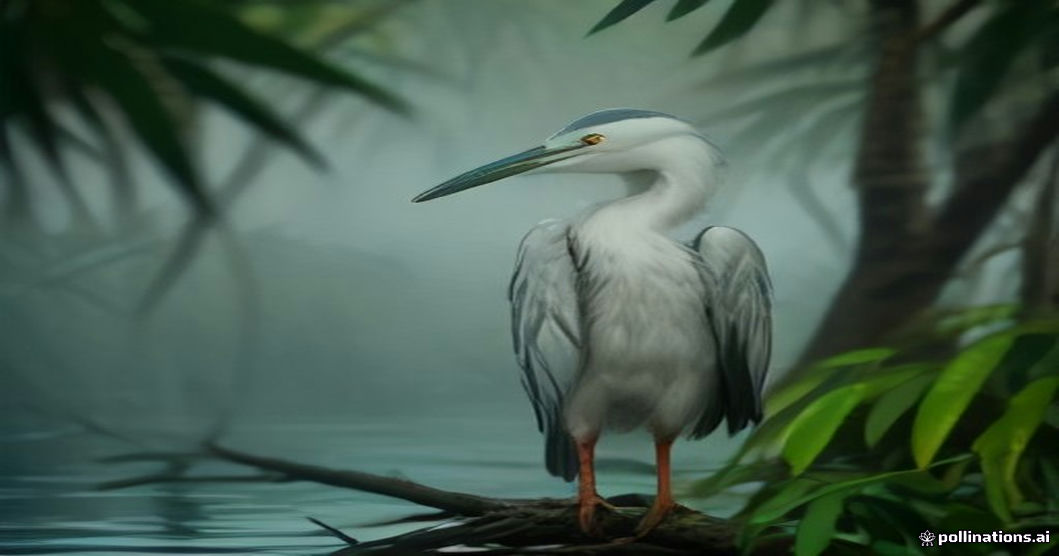
As a veterinarian and wildlife enthusiast, I am always fascinated by the incredible adaptations found in the avian world. The Boat-billed Heron (Cochlearius cochlearius) is one of the most remarkable and visually striking species you can encounter. Distributed from Mexico down to Brazil, this captivating bird inhabits the densely forested riverbanks and shadowed mangrove swamps of Central and northern South America.
Distinctive Morphology and Adaptations
Belonging to the pelican order (Pelecaniformes), this heron possesses several unique physical characteristics. Its plumage is predominantly a soft, elegant gray, beautifully contrasted by a striking white forehead, sides of the head, and throat. Crowned with a distinctive, dramatic black crest, the adult Boat-billed Heron is truly a sight to behold.
However, its most defining feature is undoubtedly its extraordinary bill. Measuring about 8 centimeters long and 5 centimeters wide, this short, wide, boat-shaped beak features a specialized tooth-like projection at the tip of the upper mandible, perfectly evolved for scooping up prey in murky waters. Coupled with exceptionally large eyes designed for superior nocturnal vision, this species is a master navigator of the dark.
Diet, Behavior, and Lifespan
True to its carnivorous nature, the Boat-billed Heron relies on a diverse diet consisting of fish, crustaceans, insects, small amphibians, and occasionally small mammals. These solitary birds prefer a quiet, nocturnal lifestyle, using their acute senses to hunt undisturbed along the water’s edge. In the wild, they enjoy a healthy lifespan of approximately 25 years.
A Taxonomic Marvel
Despite sharing a common name with traditional herons, scientific taxonomy reveals a fascinating plot twist: the Boat-billed Heron is not actually closely related to true herons. As the sole and exclusive member of its genus, Cochlearius, it stands alone as a truly unique evolutionary marvel that continues to captivate ornithologists and animal lovers alike.
Written by Mohammed Murtaja
Editor-in-Chief & Executive Publisher of ZooPulse. Senior investigative journalist directing evidence-based research, veterinary science verification, and editorial governance.
Related Stories
 Uncategorized
Caribbean Spiny Lobsters: The Unsung Guardians of Coral Reefs
The Secret Protectors of the Reef When we think of marine conservation and the health of our coral reefs, colorful fish and apex predators often steal the spotlight. However, deep within the crystal-clear waters of the Caribbean, a remarkable crustacean is quietly working behind the scenes to maintain the delicate balance of its ecosystem. The […]
 Uncategorized
The Kangaroo Longevity Gap: Why Captive Marsupials Outlive Their Wild Counterparts
Understanding Kangaroo Lifespan: Wild vs. Captivity When comparing the lifespan of kangaroos, the statistics present a stark contrast. In their native Australian outback, a wild kangaroo typically has a modest life expectancy of about 6 years. However, when placed under human care in zoos or wildlife sanctuaries, these iconic marsupials can easily live for more […]
 Uncategorized
The Master of Deception: Unveiling the Fascinating and Ruthless Biology of Cuckoo Chicks
Nature’s Most Notorious Impostors Cuckoos (genus Cuculus) are renowned across the avian world for a cunning and specialized reproductive strategy known as brood parasitism. Rather than investing time and energy into building nests, incubating eggs, and rearing their own offspring, female cuckoos rely on psychological and biological trickery. They covertly lay their eggs in the […]