
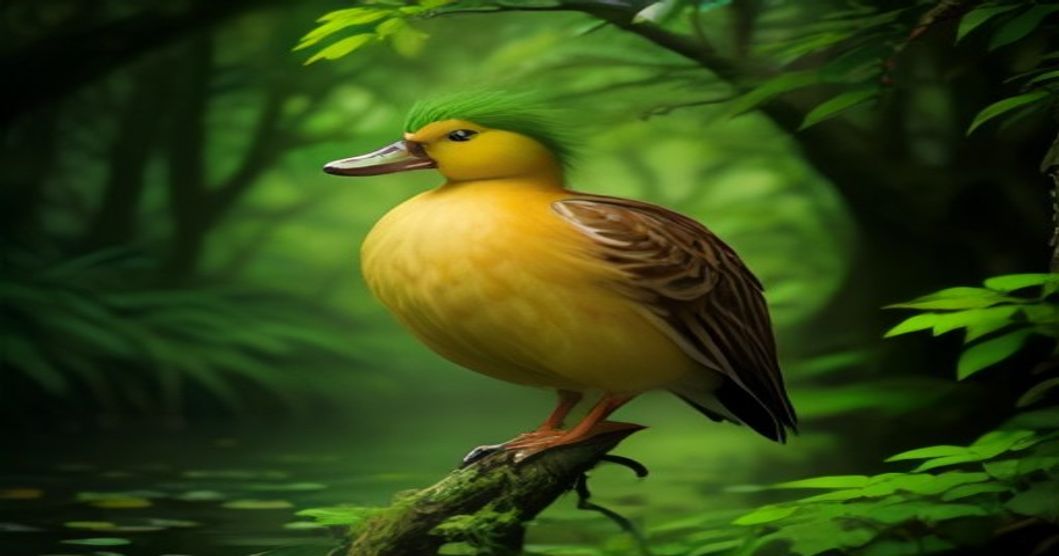
When we think of ducks, our minds typically drift to serene ponds, tranquil lakes, and nests tucked safely away in tall shoreline grasses. However, nature never ceases to amaze us with its evolutionary wonders, and the Wood Duck (Aix sponsa) is a brilliant testament to this diversity. Known scientifically for wearing a ‘wedding’ or bridal plumage, this species defies standard waterfowl behavior in some truly fascinating ways.
Tree-Top Nesters: A Unique Avian Adaptation
Unlike the vast majority of duck species that practice ground-nesting, Wood Ducks are cavity nesters. Equipped with sharp, hooked claws designed specifically for gripping bark, these remarkable birds frequently roost and nest in natural tree hollows high above the forest floor. Sometimes, these sites can be found up to 50 feet in the air! This arboreal lifestyle provides crucial protection from ground predators, though it does present a unique challenge when the time comes for the newly hatched ducklings to leave the nest.
The Leap of Faith
Once the ducklings hatch, usually within 24 to 30 hours, they must make a dramatic and courageous exit. Encouraged by their mother calling from below, the featherless, lightweight fluff-balls launch themselves out of the tree cavity, tumbling to the forest floor below. Remarkably, due to their low body weight and buoyant down, they almost always survive the plunge uninjured and immediately waddle toward the nearest water source under their mother’s watchful eye.
Stunning Plumage and Conservation Success
Beyond their nesting habits, adult male Wood Ducks are celebrated for their breathtaking appearance. Boasting iridescent multi-colored crests, striking red eyes, and intricate feather patterns, they are widely considered one of the most visually stunning waterfowl species in North America. By the early 20th century, overhunting and habitat loss pushed these magnificent birds to the brink of extinction. Fortunately, dedicated conservation efforts—including the widespread installation of artificial nest boxes—have orchestrated a triumphant recovery, ensuring that the Wood Duck continues to grace our woodlands and wetlands for generations to come.