
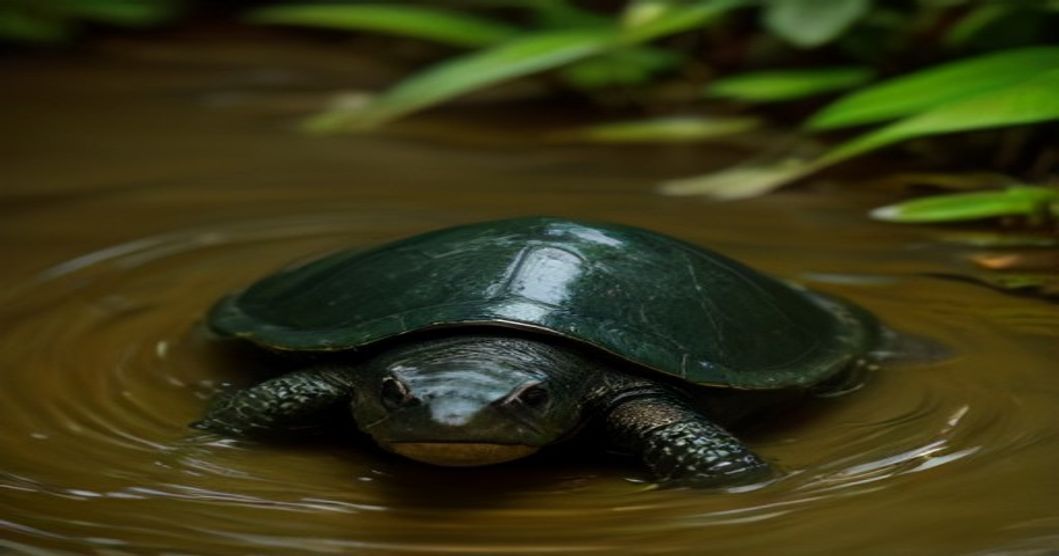
An Introduction to the Common Snapping Turtle
The Common Snapping Turtle (Chelydra serpentina) is one of North America’s most iconic and intriguing freshwater reptiles. Known for its prehistoric appearance and powerful jaws, this species has survived for millions of years by adapting to a wide variety of aquatic environments. While often misunderstood due to its formidable reputation, the snapping turtle plays a crucial ecological role as both a scavenger and a predator in freshwater ecosystems.
Physical Attributes and Size
These impressive reptiles are characterized by a rugged, dark carapace, a long saw-toothed tail, and strong, clawed feet. On average, an adult snapping turtle achieves a shell length of up to 35 centimeters and typically weighs around 14 kilograms. However, well-nourished individuals in optimal habitats can reach extraordinary weights of up to 30 kilograms, making them one of the largest freshwater turtle species in their range.
Defensive Behavior and Anatomy
The name Chelydra serpentina directly references its snake-like neck and powerful strike. Unlike many other turtle species that can fully retract their head and limbs into their shells for protection, the snapping turtle has a reduced plastron (under-shell). To compensate for this vulnerability, it relies on an aggressive defense strategy when on land. When threatened, it extends its surprisingly long, flexible neck with lightning speed to deliver a powerful bite. In the water, however, these turtles are generally docile and prefer to swim away quietly from potential danger.
Remarkable Cold Tolerance and Hibernation Habits
One of the most extraordinary physiological traits of the common snapping turtle is its incredible tolerance to freezing temperatures. During the cold winter months, snapping turtles undergo brumation, a state of dormant hibernation, buried deep in the anaerobic mud at the bottom of lakes, rivers, and ponds. In northern climates, this winter sleep can last from October through May. Remarkably, their bodies can withstand near-freezing conditions, and observers occasionally spot active snapping turtles moving slowly under thick ice sheets or even taking brief walks across frozen surfaces.
Coexisting with Wildlife
While snapping turtles are not suitable as typical household pets due to their size, specialized diet, and strong defense mechanisms, appreciating them in the wild is a rewarding experience for nature enthusiasts. Respecting their space, especially when they cross roads during nesting season, helps preserve these ancient creatures for generations to come.