
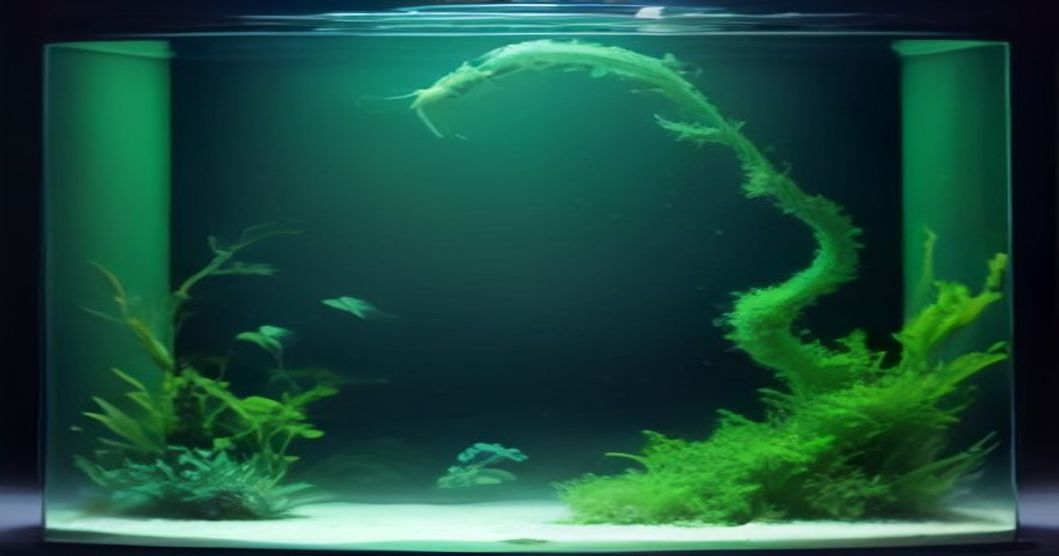
Introduction to Erpeton tentaculatum
In the murky freshwater habitats of Indochina lives one of the most uniquely adapted reptiles on Earth: the Tentacled Snake (Erpeton tentaculatum). Reaching a modest adult length of 70 to 90 centimeters, this entirely aquatic species possesses anatomical and behavioral specializations that set it apart from virtually every other serpent in the world.
Anatomy of the Unique Facial Tentacles
What makes Erpeton tentaculatum truly remarkable is the pair of fleshy appendages extending from its snout. Unlike any other snake, these small, muscular growths function as highly sensitive mechanoreceptors. Designed to detect minute water vibrations, they operate much like underwater antennae. When hunting, the snake projects these tentacles forward to map out the subtle movements of nearby fish. Conversely, when threatened or startled, it swiftly retracts them close to its head for protection.
A Fully Aquatic Lifestyle and Camouflage Tactics
Unlike semi-aquatic snakes that bask on land or lay eggs on dry ground, the Tentacled Snake is fully aquatic and gives live birth underwater. It spends its entire life submerged, rarely if ever leaving the water column. Its sluggish, ambush-oriented lifestyle encourages the growth of natural algae across its keeled scales. Far from being a health issue, this algal coat provides superb camouflage, allowing the snake to blend seamlessly into submerged roots, decaying vegetation, and muddy riverbeds.
The Fascinating Mechanics of Ambush Predation
Herpetologists and animal behavior experts have long been fascinated by the hunting tactics of the Tentacled Snake. When a fish swims near its rigid, J-shaped hunting pose, the snake utilizes a brilliant trick: it twitches a body segment away from the prey. This creates a pressure wave in the water that triggers the fish’s instinctual escape reflex—known as a ‘C-start’ escape response. Consequently, the fish darts directly into the snake’s awaiting jaws, making this species a master of predictive strike mechanics.
Care and Conservation Considerations
While not a traditional pet due to its specialized care needs and live-fish diet, the Tentacled Snake is an object of great fascination in aquatic conservation circles and specialized public aquariums. Maintaining optimal water quality, precise pH levels, and providing quiet, planted freshwater environments are critical to keeping these delicate animals healthy. Studying such extraordinary adaptations reminds us of the delicate balance within Southeast Asia’s freshwater ecosystems.