
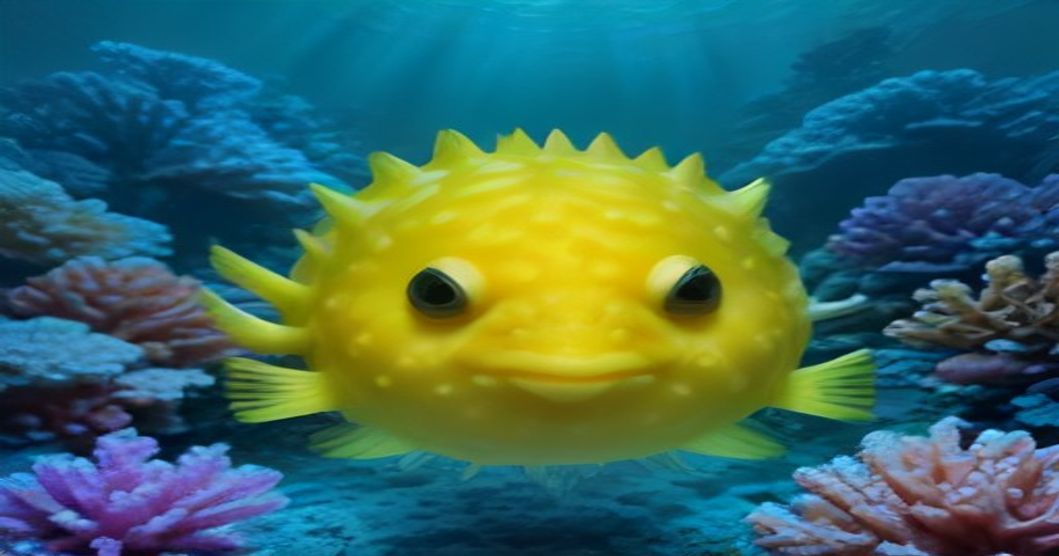
Meet the Fascinating Ostracion cubicus
Dive into the vibrant tropical and subtropical waters of the Indo-Pacific, and you might just cross paths with one of the ocean’s most delightfully unusual residents: the Ostracion cubicus, commonly known as the yellow boxfish. Far from being a victim of quirky underwater plastic surgery, this species owes its iconic, box-like appearance to an incredible feat of marine evolution.
The Science Behind the Armor
What makes the boxfish so extraordinary is its rigid anatomy. Unlike most fish that rely on flexible spines and scales for movement, the Ostracion cubicus is encased in a solid, bony carapace formed by fused hexagonal plates. Only its fins, mouth, and tail protrude from this protective armored box, giving it a surprisingly resilient defense mechanism against predators. Growing to lengths of about 30 to 50 centimeters, these slow-moving swimmers navigate coral reefs with a unique hovering motion that resembles an underwater helicopter.
Aquarium Care and Veterinary Health Considerations
For advanced aquarists, keeping a boxfish is a rewarding yet challenging endeavor. Because of their specialized dietary needs—consisting of a varied diet of algae, sponges, and meaty marine foods—proper nutrition is crucial to maintaining their vibrant yellow coloration and shell health. Furthermore, veterinarians emphasize a critical defense mechanism unique to the family Ostraciidae: when stressed or threatened, the boxfish can secrete a potent toxin known as ostracitoxin into the water. In a closed aquarium system, this can quickly become fatal to tankmates, making pristine water quality, low-stress environments, and expert handling essential for their wellbeing. Observing these gentle, curious creatures in a well-managed habitat offers a mesmerizing glimpse into the wonders of marine biodiversity.