
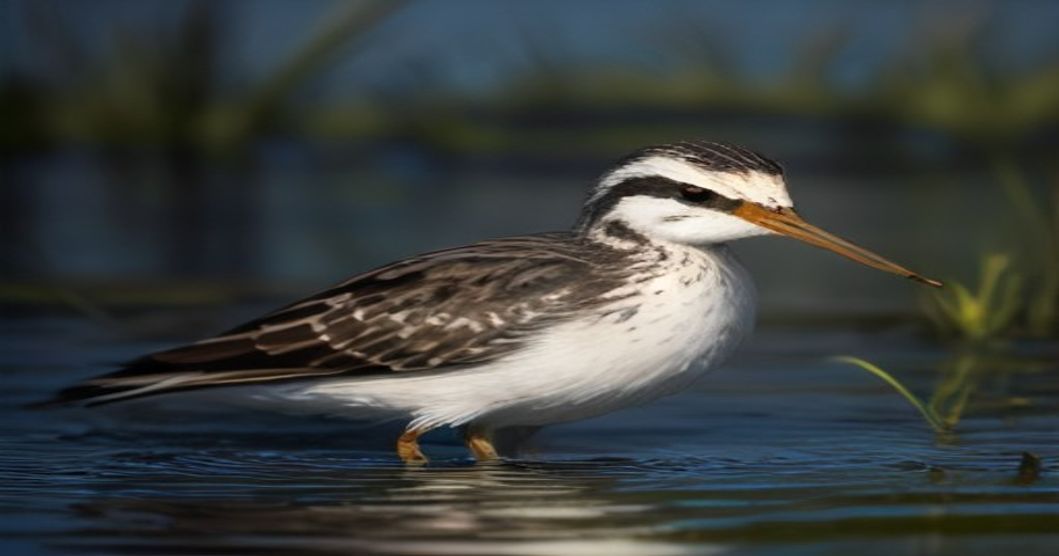
Introduction to the Jack Snipe
The Jack Snipe is a truly fascinating bird that captures the attention of ornithologists and wildlife enthusiasts alike. Known for its unique behaviors and distinct physical characteristics, this small wader has adapted remarkably well to its wetland habitats.
Physical Characteristics and Identification
As a remarkably compact bird, the Jack Snipe measures a modest 17-19 cm in length with a wingspan of 30-36 cm, typically weighing between 40-70 grams. It is noticeably smaller than its relative, the Common Snipe, and features striking yellow stripes along its back that easily remind observers of a chipmunk’s patterning.
The Unique Hunting Dance
One of the most captivating sights in nature is the Jack Snipe’s signature feeding dance. Equipped with specialized nerve endings at the very tip of its sensitive beak, this bird can detect the slightest underground movements. Once an earthworm shifts in the soil, sensing the impending danger, its fate is sealed as the snipe zeroes in on its meal.
Migration and Habitat
During the warm summer months, Jack Snipes make their homes and nest in the rich wetlands stretching from Scandinavia all the way to Eastern Siberia. When winter approaches, they undertake remarkable migrations, traveling southward to Europe, tropical Africa, India, and the Middle East.
Behavior and Diet
These elusive birds are masters of concealment, preferring to hide deep within dense vegetation. If threatened while on the ground, their primary defense mechanism is to remain entirely motionless. However, during autumn, a Jack Snipe might suddenly flush and take flight right from under an observer’s feet, displaying a swift, erratic, bat-like flight pattern before quickly landing again. Beyond earthworms, their diet consists of various small invertebrates and seeds found foraging on the ground.