
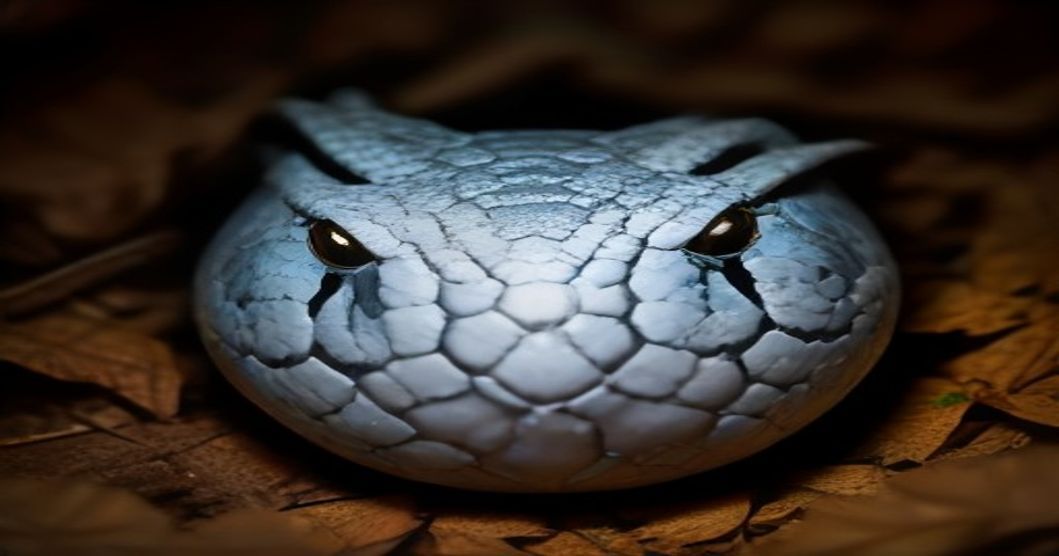
Introduction to the Gaboon Viper
The Gaboon viper, scientifically known as Bitis gabonica, stands as one of the most remarkable and formidable serpents in the animal kingdom. Renowned for its immense size and striking appearance, this heavy-bodied venomous snake commands both respect and fascination from herpetologists, veterinarians, and wildlife enthusiasts alike. While its appearance is undeniably intimidating, understanding its true nature reveals a fascinating creature perfectly evolved for survival in sub-Saharan African forests.
Physical Characteristics and Record-Breaking Fangs
As one of the largest and thickest vipers in the world, the Gaboon viper can reach impressive lengths of up to 1.8 meters (nearly 6 feet). Its physical robustness is further highlighted by a massive body girth that can measure up to 47 centimeters. The snake features a distinctively large, wide, triangular head separated from its heavy body by a surprisingly narrow neck. However, its most astonishing anatomical feature is a true record-breaker: the Gaboon viper possesses the longest fangs of any venomous snake on Earth, measuring an incredible 5 centimeters (about 2 inches) in length.
Camouflage and Hunting Strategy
Evolution has equipped the Gaboon viper with one of the most effective camouflage systems in the natural world. Its intricate geometric coloration pattern brilliantly mimics old fallen leaves, decaying plant matter, and forest floor shadows. This near-seamless disguise allows the viper to remain completely hidden in plain sight. As an ambush predator, it relies on patience and stealth rather than active pursuit. When unsuspecting prey—such as a guinea fowl—strays too close, the snake strikes with blinding speed, utilizing its massive fangs and potent venom to secure a meal with minimal effort.
Temperament and Human Interaction
Despite its terrifying weaponry and formidable size, the Gaboon viper is famously known for its remarkably calm and placid demeanor. It rarely reacts aggressively to external stimuli and will usually choose to remain motionless, trusting its camouflage over confrontation. Consequently, unprovoked attacks on humans are exceedingly rare. Nevertheless, because of its high venom yield and exceptionally long fangs, a bite poses a catastrophic medical emergency requiring immediate antivenom treatment and professional veterinary or medical intervention.