
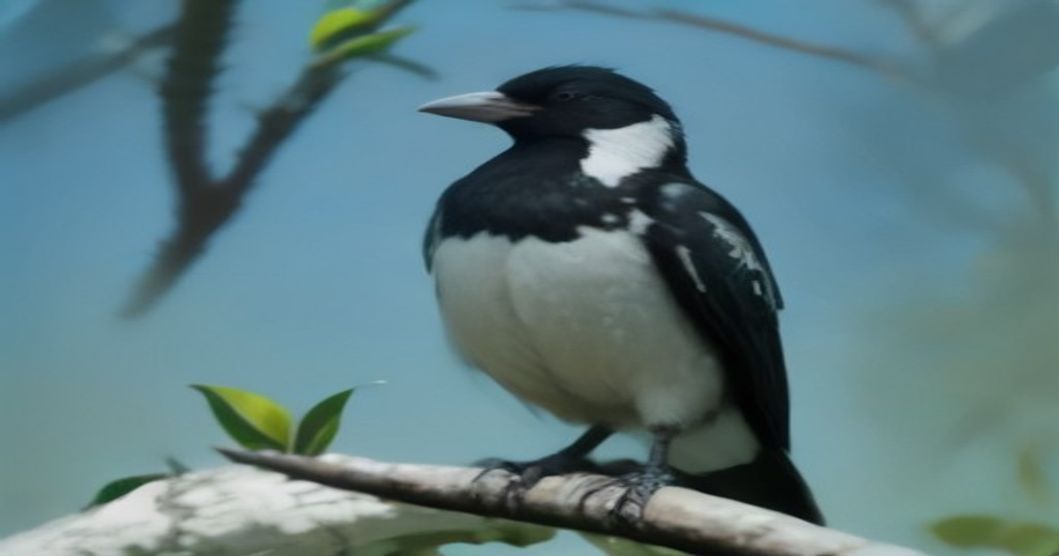
Introduction to the Australian Magpie
As spring arrives in the Southern Hemisphere, a familiar seasonal ritual unfolds across Australia. Cyclists and scooter riders diligently strap on their helmets, not just for traffic safety, but as a defense against one of nature’s most infamous seasonal strategists: the Australian Magpie. Often dubbed the ‘silent loud terror’ by locals, these iconic birds command a mix of fear, respect, and fascination.
Taxonomy and Misconceptions
Despite their common name, Australian Magpies (Gymnorhina tibicen) are not actually related to European magpies or crows belonging to the Corvidae family. Early European settlers in Australia frequently named newly discovered native fauna after familiar species from back home, regardless of their actual biological lineage. Scientifically, Australian Magpies belong to the artaminae subfamily and are closer relatives to butcherbirds and currawongs.
Remarkable Intelligence and Social Structure
Beyond their defensive swooping behavior, Australian Magpies are renowned for their exceptional intelligence and highly complex social structures. Ornithologists and animal behaviorists have documented their ability to solve intricate problems, use cooperative breeding strategies, and maintain lifelong territories. Perhaps most impressively, research has shown that these birds possess advanced facial recognition capabilities, enabling them to remember and recognize individual humans—distinguishing between friendly neighbors and potential threats over multiple years.
Navigating ‘Swooping Season’
It is important for veterinarians and animal welfare experts to emphasize that swooping is a natural parental defense mechanism. Male magpies fiercely protect their nests and fledglings from September to November. Understanding their behavior helps humans coexist peacefully with them. Wearing protective headwear, carrying an umbrella, or simply avoiding nesting areas during peak spring weeks can prevent conflicts and ensure both human safety and avian well-being.