
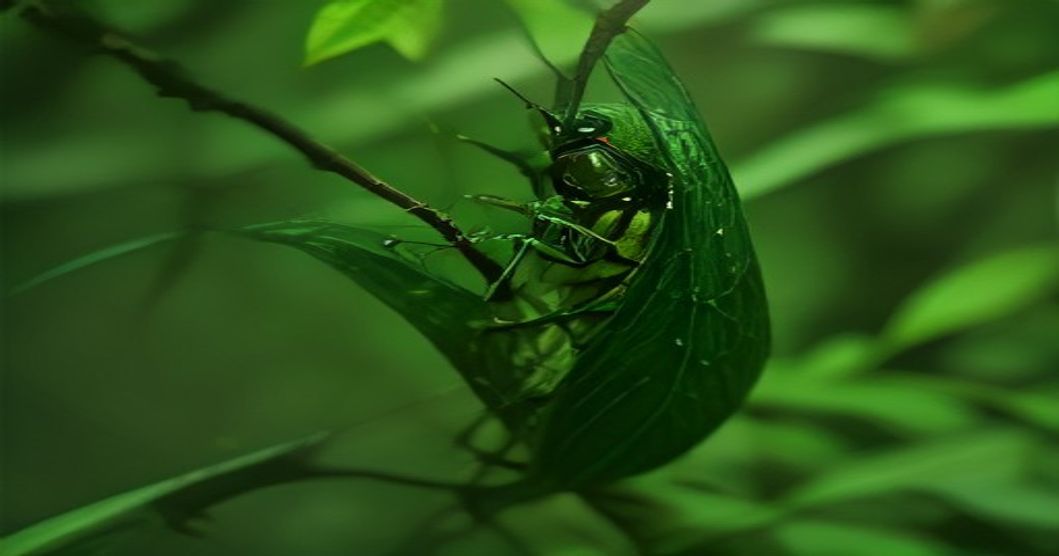
Introduction to the Phantom of the Insect World
As a veterinarian and pet care expert, I am always fascinated by the incredible diversity of exotic pets. Among the most remarkable is the Giant Stick Insect, scientifically known as Phasma gigas. Native to the lush regions of Australia, New Guinea, and Indonesia, these magnificent creatures belong to the order Phasmatodea. The name originates from the Latin word “phasma,” translating to “phantom” or “apparition,” a fitting tribute to their master-class camouflage as twigs and foliage.
Extraordinary Biology and Size
Did you know that stick insects are among the longest insects on the planet? Phasma gigas and its relatives can reach staggering lengths, with some exceptional species growing up to 33 cm (13 inches) long! Their evolutionary adaptation of mimicking plant parts not only protects them from predators in the wild but also makes observing them in a carefully curated enclosure a truly mesmerizing experience for reptile and invertebrate enthusiasts alike.
Nutritional Care and Feeding in Captivity
Proper nutrition is paramount to the health and longevity of captive stick insects. As strict herbivores, their dietary needs depend heavily on the specific species, though many are quite adaptable. In a captive environment, owners can offer a safe variety of foliage from the rose family (Rosaceae). This includes nutrient-rich brambles such as raspberries, blackberries, and strawberries, alongside fresh oak leaves.
For added dietary enrichment, certain species also relish lilac, St. John’s wort, and eucalyptus. Additionally, common houseplants like tradescantia, Chinese rose (Hibiscus), ivy, and African violets can be incorporated into their feeding routine. Always ensure that any plant matter provided is entirely free from pesticides, insecticides, and chemical fertilizers to safeguard your pet’s delicate digestive system.
Conclusion
Keeping a Giant Stick Insect is a rewarding and low-maintenance journey for exotic pet lovers. By providing a secure, well-ventilated enclosure with high humidity and a fresh, pesticide-free botanical diet, you can enjoy observing these gentle phantom giants thrive in your care.