
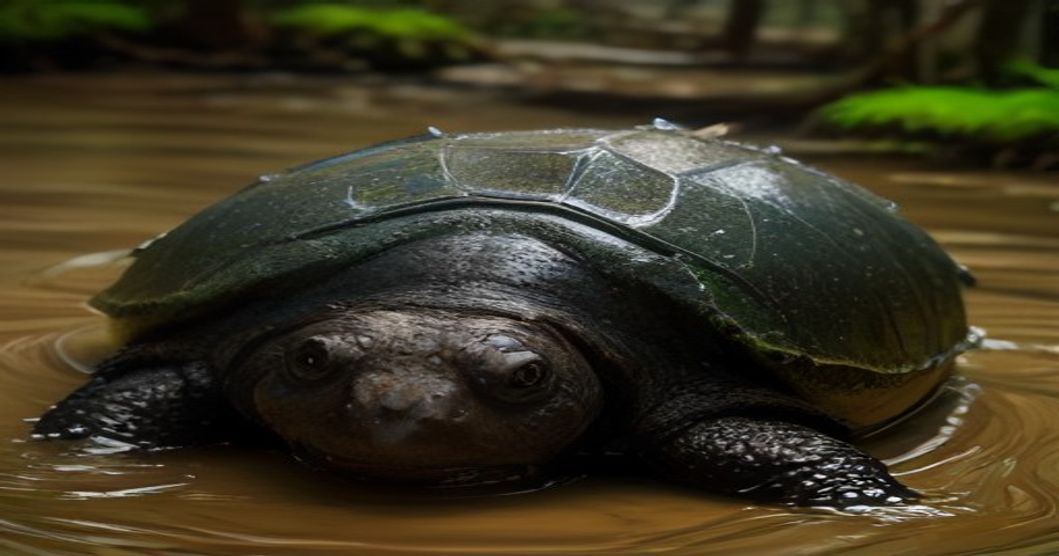
An Introduction to the Chelydra serpentina
The Snapping Turtle, scientifically known as Chelydra serpentina, is one of North America’s most iconic and misunderstood aquatic reptiles. While often perceived as aggressive, their defensive nature is merely a survival instinct developed over millions of years. When feeling threatened, these formidable creatures utilize their impressive, long necks to strike with speed and precision, a behavior that earned them their common name.
Physical Characteristics and Impressive Size
As one of the largest freshwater turtles in its range, the Snapping Turtle is a true titan of the pond. While the average adult typically reaches a shell length of 35 centimeters, these animals are known to grow significantly larger. A healthy adult can easily weigh 14 kilograms, with some exceptional specimens tipping the scales at a staggering 30 kilograms or more. Their rugged, earth-toned shells and powerful jaws are perfectly adapted for life at the top of the aquatic food chain.
Winter Survival and Cold-Water Mastery
Perhaps the most fascinating aspect of the Snapping Turtle is its remarkable physiological resilience. As temperatures drop, these turtles enter a period of hibernation, burying themselves deep within the sediment at the bottom of lakes and rivers to remain protected from freezing conditions. In northern climates, this period can stretch from October through May. Remarkably, they are highly cold-resistant; it is not uncommon for them to remain active even when water bodies are frozen over, occasionally being spotted navigating the frigid waters beneath the ice or even moving across the surface.
Conservation and Coexistence
Understanding the life cycle and habitat needs of the Snapping Turtle is essential for anyone interested in local wildlife conservation. By respecting their space and recognizing that their ‘aggressive’ posturing is a cry for distance rather than an unprovoked attack, we can better coexist with these ancient survivors of the animal kingdom.