
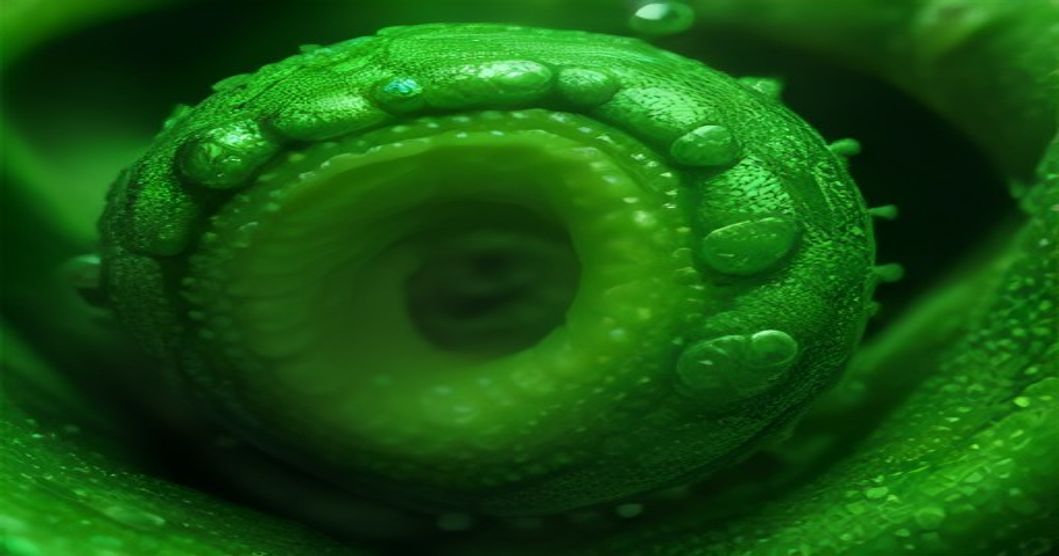
A Master of Aquatic Camouflage
In the murky freshwater habitats of Indochina lives one of nature’s most peculiar creatures: the Tentacled Snake (Erpeton tentaculatum). This fascinating reptile, typically measuring between 70 and 90 centimeters in length, is a fully aquatic species that spends its entire life submerged. Often found adorned with a layer of algae, these snakes have evolved a master-class in camouflage, allowing them to remain virtually invisible to both predators and unsuspecting prey as they blend seamlessly into their surroundings.
The Sensory Marvel: Why the Tentacles?
The most striking feature of Erpeton tentaculatum is, undoubtedly, the pair of fleshy, muscular tentacles protruding from its snout. While they may look like something from science fiction, these organs serve a vital biological purpose. Acting as highly sensitive sensory detectors, the snake uses these appendages to interpret its environment with precision.
Hunting and Defense Strategies
The behavior of the tentacles changes based on the snake’s immediate needs. When the creature feels threatened, it instinctively retracts these sensitive structures to protect them from harm. However, during the hunt, the snake extends them forward like highly tuned antennae. These tentacles act as motion sensors, allowing the snake to navigate the water and detect the presence of prey with remarkable accuracy. By relying on these specialized sensors rather than just sight, the Tentacled Snake has become a highly efficient predator in its unique, often low-visibility ecosystem.