
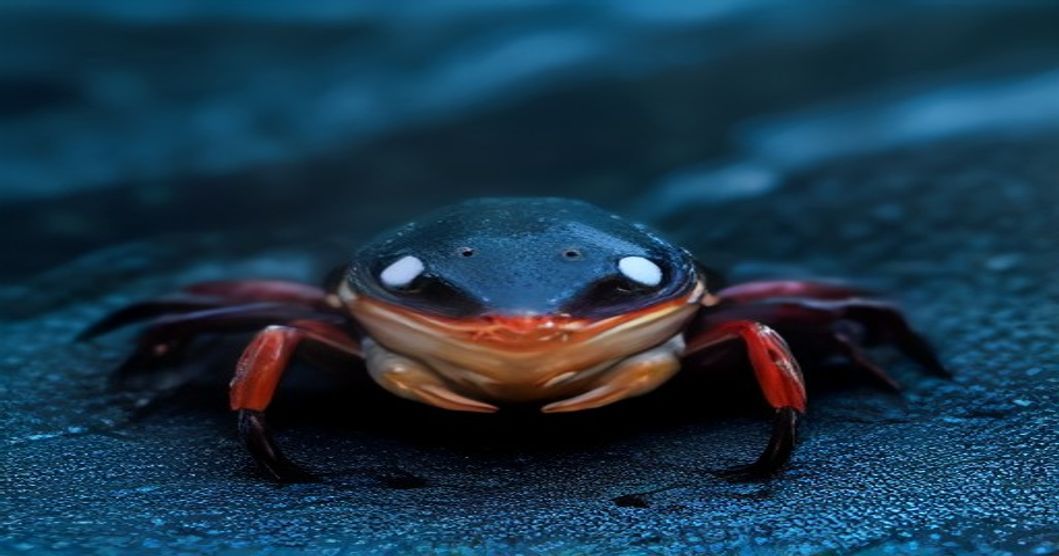
The Unexpected Discovery in Sydney’s Intertidal Zones
In a remarkable observation that has caught the attention of marine biologists worldwide, Professor William Gladstone of Sydney, Australia, recently captured footage of a behavior rarely documented in the crustacean world. While observing local crab populations, Professor Gladstone witnessed these marine creatures forcefully spraying seawater from their bodies—a sight he described as ‘completely unexpected.’ This discovery provides a unique window into the physiological adaptations of marine invertebrates.
The Dietary Link: Algae and Excess Hydration
The primary driver behind this unusual behavior appears to be the crabs’ specialized diet. These crustaceans consume significant quantities of algae found along the rocky coastlines. Algae, being highly porous and saturated with seawater, acts like a biological sponge. As the crabs feed, they inadvertently ingest large volumes of water alongside their nutrient intake. To manage their internal fluid balance and prevent physical discomfort or cellular stress, the crabs utilize a mechanical expulsion method, spraying the excess water back into the environment.
Osmoregulation and Survival Mechanisms
From a biological perspective, this behavior is a fascinating display of osmoregulation and physical fluid management. While most marine animals have internal mechanisms involving the antennal glands to process salt and water, the physical ‘spraying’ observed by Gladstone suggests a more direct and efficient solution to the problem of ingestion-related water overload. This discovery highlights the complex adaptations marine life must develop to thrive in environments where their food source is intrinsically linked to the surrounding medium.
Implications for Marine Science and Animal Health
For enthusiasts of marine biology and those keeping crustacean species in home aquaria, this observation underscores the importance of understanding dietary impacts on animal physiology. While a pet crab in a controlled environment might not exhibit such dramatic spraying, the principle remains the same: the relationship between what an animal eats and how it processes the accompanying elements is vital for its health. Professor Gladstone’s discovery serves as a powerful reminder that even well-known species still harbor biological secrets waiting to be uncovered by observant science.