
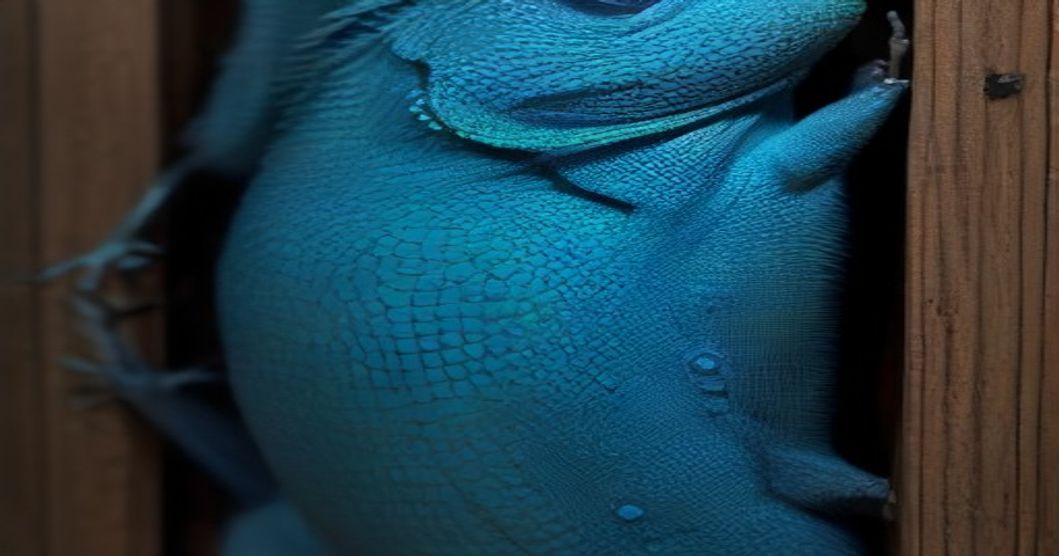
The Enigmatic Eastern Fence Lizard
The Eastern Fence Lizard (Sceloporus undulatus) is a fascinating reptile native to the eastern and central United States. Often found basking on rocky outcrops, forested slopes, and occasionally near human structures, this small lizard has captured the curiosity of naturalists and pet enthusiasts alike. Despite their prevalence, the origin of their common name remains a topic of lighthearted debate among biologists, as they are just as likely to be found in deep woods as they are near a backyard fence.
Physical Characteristics and Size
These agile reptiles are relatively small, typically reaching lengths of only 10 to 19 centimeters. Their scales have a distinct, keeled texture that provides excellent camouflage against tree bark and rocky terrain, helping them blend seamlessly into their natural environments.
The Spectacular Display of the Males
Perhaps the most remarkable aspect of the Eastern Fence Lizard is the sexual dimorphism observed during the breeding season. While both genders feature earthy, brown tones for protection, the males undergo a stunning transformation. During the summer months, their bellies erupt into a vibrant, iridescent display of blue-green stripes and spots, reminiscent of the luster found on a peacock’s tail feather.
Social Behavior and Mating Rituals
These colors serve a vital purpose beyond mere aesthetics. During the mating season, males utilize these vibrant patches to assert dominance and attract potential mates. When two males encounter one another, they engage in a ritualized standoff. By stretching their legs to stand as tall as possible, they sidle up to their rival, flashing their glowing bellies in a high-stakes competition. This ‘dazzling’ display of color and posture is often enough to determine superiority, with the less dominant individual choosing to flee rather than risk a physical confrontation.