
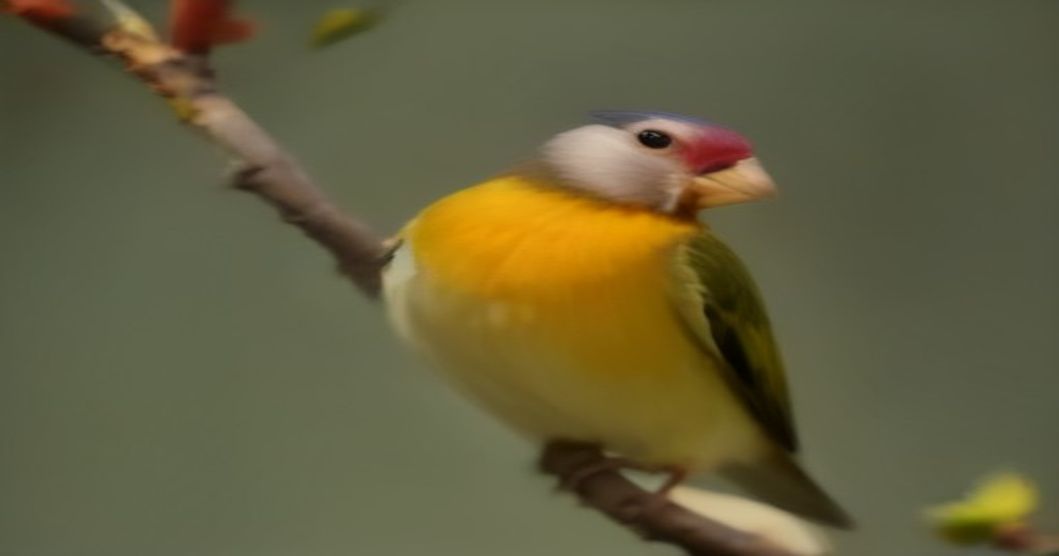
Gouldian finches (Erythrura gouldiae), often referred to as the living gems of the bird world, are among the most striking and visually magnificent passerines on Earth. Native to the tropical savanna woodlands of northern Australia, these small, delicate birds have captured the hearts of aviculturists and pet enthusiasts globally. Their breathtaking array of colors makes them a standout species in any sanctuary or home environment.
A Spectrum of Color and Sexual Dimorphism
What truly sets the Gouldian finch apart is its remarkable color diversity. In the wild, these birds exhibit natural head color morphs—most commonly black-headed, red-headed, and occasionally yellow-headed. Paired with a vivid purple chest, a bright yellow belly, a lush green back, and a cyan collar, their plumage looks almost hand-painted.
In addition to their varied color strains, Gouldian finches demonstrate clear sexual dimorphism. Male Gouldian finches display much richer, darker, and more saturated tones compared to their female counterparts. While females possess the same elegant color regions, their hues are noticeably softer and more pastel, a natural evolutionary adaptation that aids in camouflage while nesting.
Avicultural Appeal and Conservation
Due to their unparalleled aesthetic appeal and captivating behaviors, Gouldian finches are highly sought after by aviculturists worldwide. While wild populations face environmental pressures and are considered near-threatened, dedicated captive breeding programs have flourished. Today, selective breeding in captivity has introduced even more color mutations, including silver, white-breasted, and blue variations, expanding their popularity among bird keepers.
Veterinary Care and Health Considerations
While Gouldian finches are gentle, quiet companions, they require specific environmental conditions and attentive husbandry to thrive in a domestic setting:
1. Temperature and Climate Control: Originating from warm northern Australian climates, these finches are sensitive to cold drafts and sudden temperature drops. Ambient temperatures should ideally be kept warm and stable, generally above 70°F (21°C).
2. Balanced Nutrition: A high-quality finch seed blend forms the foundation of their diet. This should be supplemented with fresh leafy greens, soaked seeds, and high-protein egg food during moulting and breeding seasons. Cuttlebone and soluble mineral grit are essential for calcium and shell formation.
3. Respiratory Health: Gouldian finches are particularly susceptible to air sac mites (Sternostoma tracheacolum). Maintaining pristine cage hygiene, adequate ventilation, and scheduling regular avian veterinary check-ups are crucial preventive measures against respiratory distress.
With proper nutrition, spacious flight cages that encourage natural movement, and attentive care, these quiet, gentle birds can live anywhere from 6 to 8 years, filling any space with unmatched visual beauty.