
Introduction to the Green Sea Turtle
The Green Sea Turtle (Chelonia mydas) is one of the ocean’s most iconic and majestic creatures. Inhabiting tropical and subtropical coastal waters around the globe, these gentle marine reptiles spend much of their lives navigating vast ocean currents, grazing on seagrasses, and contributing to healthy marine ecosystems. However, like all living animals, these remarkable ocean wanderers require regular rest to recharge and thrive.
How Sea Turtles Sleep Underwater
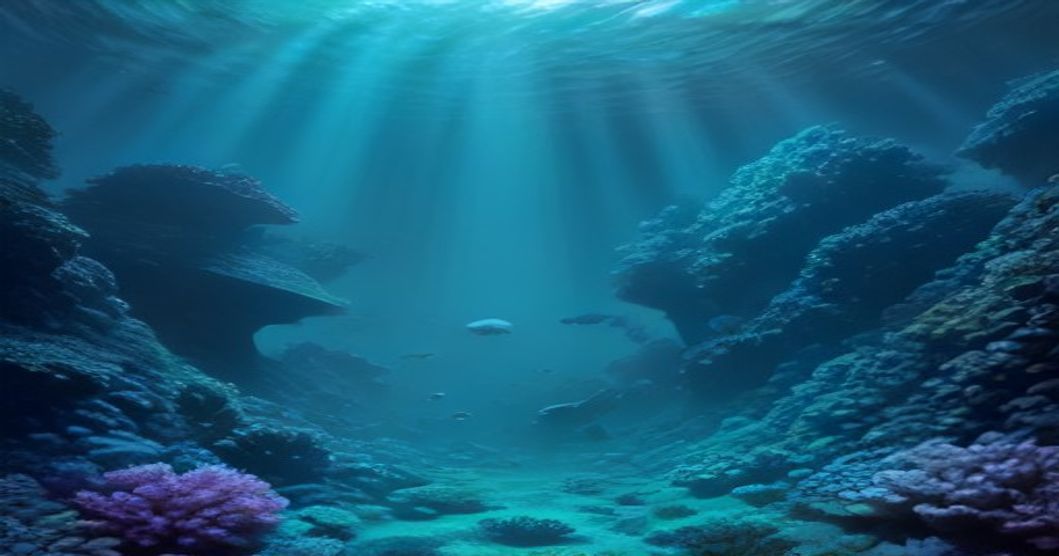
As air-breathing reptiles, sea turtles have evolved remarkable adaptations for sleeping underwater. When preparing for a snooze, a Green Sea Turtle will often seek out a secure, secluded spot to prevent being carried away by ocean currents and to stay safe from potential predators. Natural reef structures, rock overhangs, and even giant sea sponges serve as comfortable underwater resting nooks where the turtle can safely anchor itself.
The Science of the Deep-Sea Nap
When resting, a Green Sea Turtle’s body undergoes impressive physiological changes. Its heart rate slows dramatically to conserve oxygen, decreasing metabolic demands. While an active, swimming sea turtle may need to surface every few minutes for air, a deeply resting turtle can remain submerged for several hours on a single breath. This efficient state of reduced activity allows them to comfortably snooze nestled inside sponge beds or coral crevices.
Protecting Vital Resting Habitats
Understanding the resting habits of Chelonia mydas highlights the necessity of preserving rich marine environments. Healthy coral reefs and sponge ecosystems are not just feeding grounds—they are crucial sanctuaries for sleep and recovery. Protecting these underwater habitats from pollution, destructive fishing practices, and climate change ensures that Green Sea Turtles have safe places to rest for generations to come.