
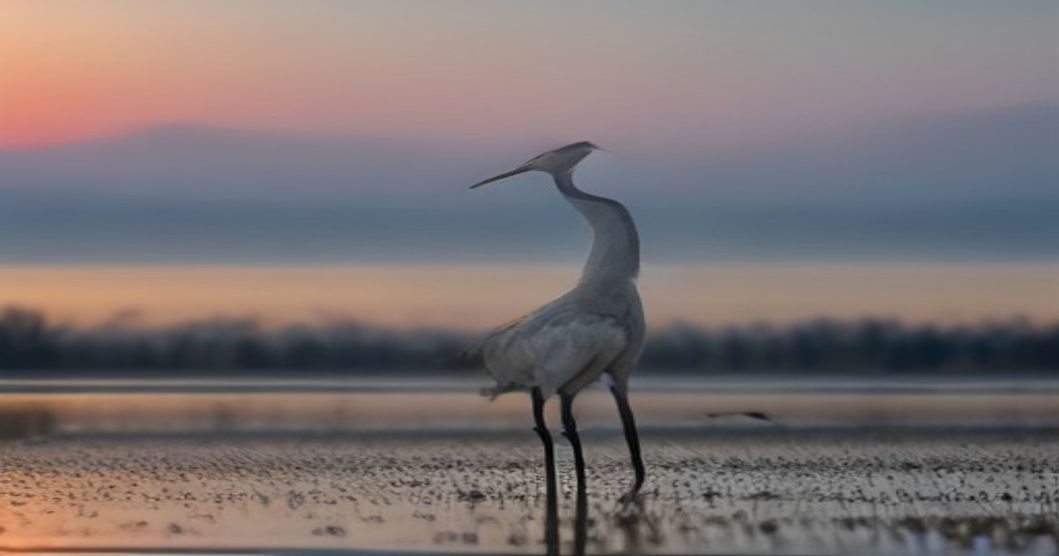
The Majestic Acoustics of Wetland Habitats
Few sounds in the natural world are as captivating and haunting as the reverberating calls of wetland birds echoing across marshy landscapes. It’s also known for its loud, distinctive calls, which can often be heard echoing across wetlands, serving as a vital line of communication over vast distances. For wildlife enthusiasts, veterinarians, and ornithologists alike, these powerful vocalizations offer a fascinating window into animal physiology, social behavior, and ecosystem vitality.
Anatomical Marvels: How Avian Vocalizations Work
From a veterinary and physiological standpoint, the ability to produce calls that carry for miles across open water and dense reeds relies on specialized biological structures. Unlike mammals, which produce sound using vocal cords in the larynx, birds utilize a unique organ called the syrinx located at the base of the trachea. In species famous for resonant wetland calls, such as cranes, loons, and bitterns, the trachea is often elongated and coiled within the sternum. This structural adaptation acts like a natural brass instrument, amplifying lower frequencies so sound waves travel efficiently through moist, dense air without dissipating.
The Behavioral Significance of Distant Signals
In dense, vegetative aquatic environments where visual lines of sight are frequently blocked by cattails and mangroves, auditory signals become paramount. Loud, distinctive calls serve several crucial biological purposes including territory defense, pair bonding, and flock coordination. Announcing presence through sound allows birds to defend territories without engaging in risky physical confrontations. Additionally, complex vocal duets help mates synchronize breeding readiness and maintain cohesion during seasonal migrations.
Vocalizations as Indicators of Animal Health
As animal health professionals, observing changes in vocal frequency, pitch, or clarity provides essential clinical diagnostic information. In wild populations and captive avian species, a sudden decrease in vocalization or a raspy, weak tone can indicate upper respiratory tract infections, fungal aspergillosis, tracheal mites, or environmental toxicity. Furthermore, chronic environmental noise pollution can force avian species to alter their vocal pitch, leading to increased stress levels and reduced reproductive success.
Protecting Our Natural Soundscapes
The booming, resonant calls heard across marshes are more than just a soundtrack of the wilderness; they are a sign of a thriving ecological habitat. Protecting wetland sanctuaries ensures that these iconic species maintain the undisturbed environments required to forage, nest, and communicate effectively, keeping nature’s acoustic symphony alive for generations to come.