
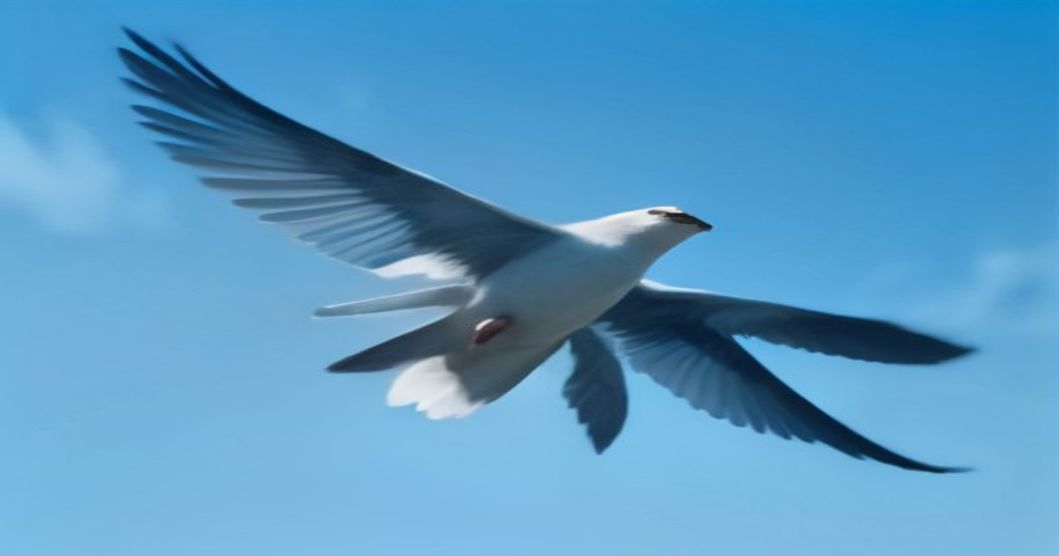
When we think of avian agility, few birds capture the imagination quite like the swift. Known for their breathtaking speed and seemingly endless airborne existence, these remarkable creatures are true marvels of evolutionary adaptation. As veterinary professionals and animal health experts, understanding the unique physiology of birds like the swift allows us to better appreciate the incredible diversity of animal life and the specialized care wild avian species require.
An Aerial Existence: Life Without Landing
One of the most astonishing facts about swifts is the sheer amount of time they spend in the air. These birds are practically airborne throughout their entire lives, barring the breeding season. They eat, drink, mate, and even sleep while in flight! By entering a state of partial sleep while gliding on high-altitude air currents, swifts can remain aloft for an incredible ten consecutive months without ever touching the ground. Their bodies are finely tuned engines designed for continuous flight, reaching phenomenal speeds of up to 110 miles per hour.
Unique Anatomy and Flight Mechanics
The swift’s incredible lifestyle is made possible by specialized anatomical features. Their wings are long, narrow, and curved, perfectly adapted for rapid, energy-efficient sustained flight rather than soaring. However, this extreme specialization comes with a fascinating trade-off: swifts have exceptionally short and weak legs. Because of this unique skeletal structure, swifts cannot generate the lift required to take off from a flat surface. If a swift finds itself grounded, it is entirely helpless and typically requires a gentle human toss into the air to resume flight.
Conservation and Wildlife Care
Because of their inability to launch from flat ground, grounded swifts are frequently brought to wildlife rehabilitators and veterinary clinics by concerned citizens. Understanding this behavioral quirk is crucial for anyone interacting with wildlife. If you ever encounter a swift on the ground, assessing it for injury and giving it a safe, open-air launch from an elevated position can literally save its life. As we continue to study and protect these high-flying acrobats, preserving their nesting habitats in urban and natural environments ensures that the skies will forever remain filled with their energetic, soaring presence.