
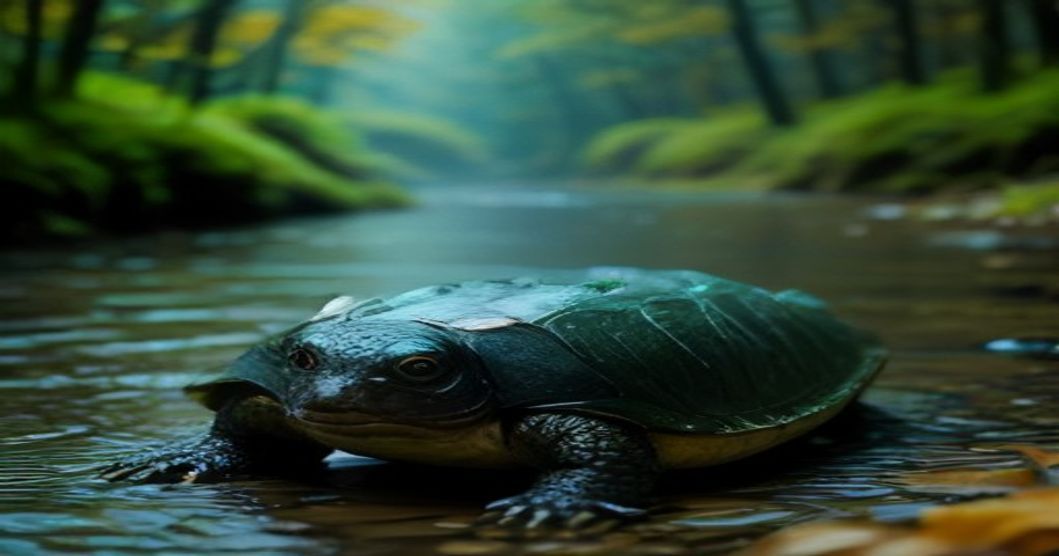
Meet the Remarkable Chelydra Serpentina
As a veterinarian and pet care expert, I often encounter fascinating wildlife species that capture the imagination of animal lovers. One such creature is the Common Snapping Turtle, scientifically known as Chelydra serpentina. Earning its name from its notoriously aggressive defense mechanism when cornered or caught, this prehistoric-looking reptile is a true survivor of the aquatic world.
Physical Characteristics and Defensive Nature
The Snapping Turtle is a remarkably large species. Typically, these robust reptiles can grow up to 35 centimeters in shell length and weigh an impressive 14 kilograms, though exceptional individuals can sometimes reach a massive 30 kilograms. When they feel threatened out of their watery element, they rely on a signature defense strategy: extending their surprisingly long necks with lightning speed to deliver a powerful bite. Therefore, respectful distance and professional handling are always advised when encountering one in the wild.
Winter Survival and Cold Resistance
One of the most biologically fascinating aspects of the Snapping Turtle is its brumation—the reptilian equivalent of hibernation. As temperatures drop, these turtles seek refuge in the soft mud at the bottom of ponds, lakes, and slow-moving rivers. In northern regions, this dormancy is notably long, lasting from October straight through to May.
Remarkably, snapping turtles exhibit an extraordinary resistance to cold temperatures. It is not uncommon in colder climates to witness these hardy creatures actively swimming beneath sheets of ice or even walking steadily across frozen surfaces, showcasing their incredible physiological adaptations to harsh winter environments.