
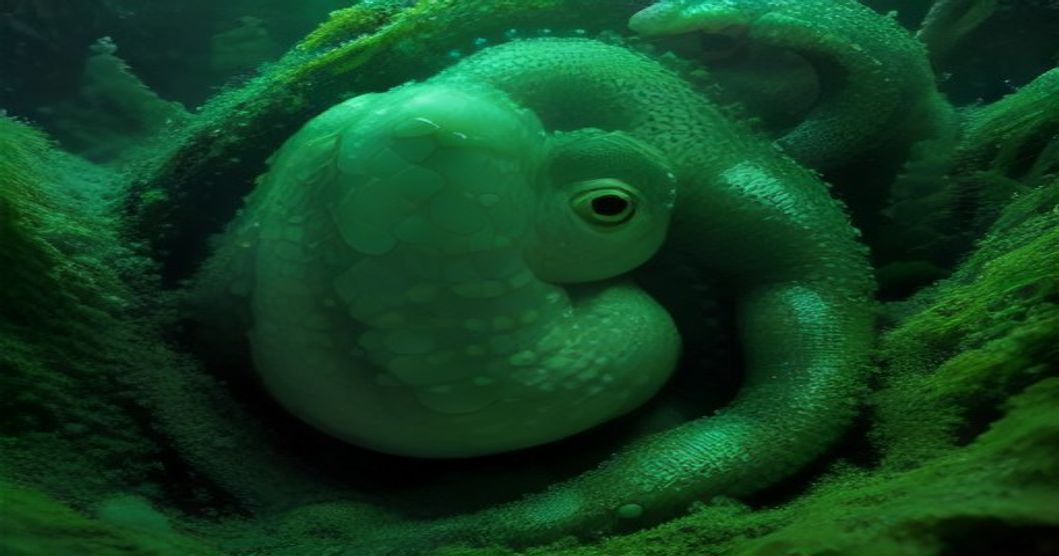
Introduction to the Tentacled Snake
In the fascinating world of aquatic reptiles, few species rival the unique adaptations of the tentacled snake (Erpeton tentaculatum). Native to the freshwater habitats of Indochina, this elusive semi-aquatic serpent has captured the curiosity of herpetologists and animal enthusiasts alike. Measuring a modest 70 to 90 centimeters in length, this species spends its entire life submerged, perfectly adapted to a fully aquatic lifestyle.
The Mystery of the Fleshy Appendages
The most striking physical feature of Erpeton tentaculatum is the pair of distinct, fleshy tentacles located on its snout. As a veterinary and pet care expert observing exotic species, these small, highly muscular growths serve as sophisticated sensory detectors. Research indicates that these appendages act much like biological antennae, helping the snake navigate murky waters and detect the subtle movements of nearby fish.
Hunting Strategy and Defense Mechanisms
When hunting, the tentacled snake extends these sensory tentacles forward to pinpoint unsuspecting prey with remarkable precision. However, when faced with potential threats, the animal instantly retracts them as a defensive reflex. Adding to its stealthy nature, this specialized snake is frequently covered in natural algae growth, providing exceptional camouflage that allows it to blend seamlessly into its freshwater environment.