
An Architectural Wonder of the Sea
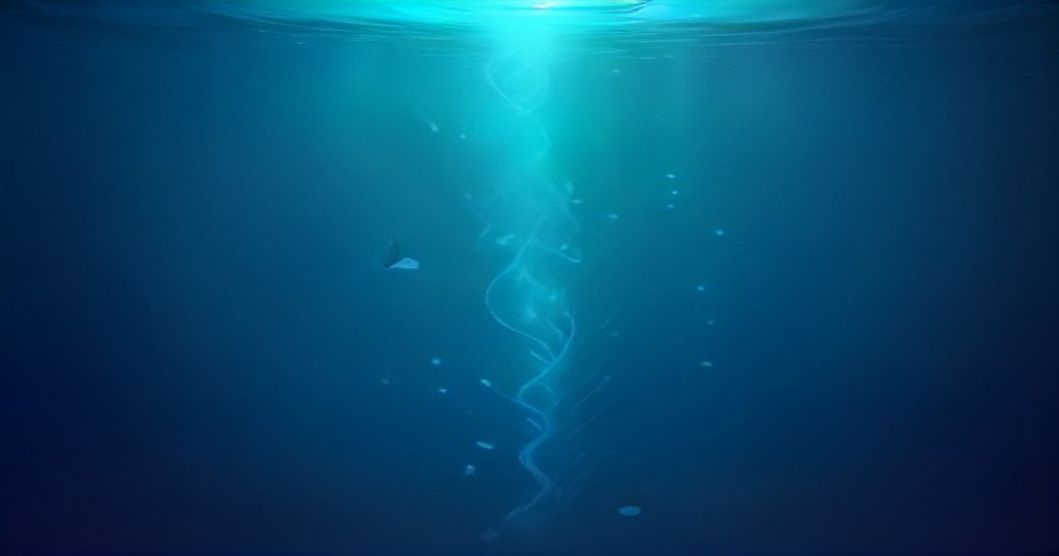
Deep beneath the surface of the world’s oceans lies one of nature’s most enigmatic organisms: the Siphonophora. Though it appears to be a single, majestic marine animal, a siphonophore is actually a complex colonial organism composed of thousands of individual, specialized units called zooids. With approximately 160 known species primarily inhabiting tropical and deep oceanic waters, these creatures represent an extraordinary evolutionary feat of collective survival.
How Zooids Function as a Single Entity
In a siphonophore colony, independence is sacrificed for unity. Each individual zooid is genetically identical yet highly specialized to perform a specific function vital to the colony’s survival. Some zooids are dedicated entirely to propulsion, while others specialize in feeding, defense, or reproduction. Interdependent and interconnected, these zooids share nutrients and nervous signals, functioning seamlessly as if they were organs within a single organism.
The Pneumatophore: Master of Buoyancy
A fascinating physical feature of many siphonophores is the pneumatophore, or gas-filled float, located at the head of the colony. This specialized structure acts as a natural buoyancy control system. By contracting the pneumatophore to release gas, the siphonophore can dive into deeper waters to escape predators or harsh surface conditions. Conversely, by expanding the float, it rises toward the surface, drifting effortlessly along warm ocean currents.
Record-Breaking Lengths and Potent Venom
While many species are modest in size, siphonophores can attain staggering proportions. In 2020, researchers discovered a breathtaking giant siphonophore in an Australian deep-sea canyon, measuring an astounding 48 meters (nearly 160 feet) in length—potentially making it one of the longest organisms ever recorded on Earth. However, beauty in the ocean often comes with danger. Certain species, such as the infamous Portuguese man-of-war (Physalia physalis), possess powerful neurotoxins in their stinging tentacles capable of paralyzing prey and causing severe, painful, and occasionally fatal reactions in humans.
Respecting Marine Life and Staying Safe
For coastal enthusiasts, pet owners walking near beach shorelines, and marine life lovers, understanding these organisms is crucial. Stranded siphonophores can retain active venom even when washed ashore. Keeping pets on leashes away from unidentified marine drift and swimming cautiously in tropical waters ensures safety while allowing us to appreciate the breathtaking complexity of marine ecosystems from a respectful distance.