
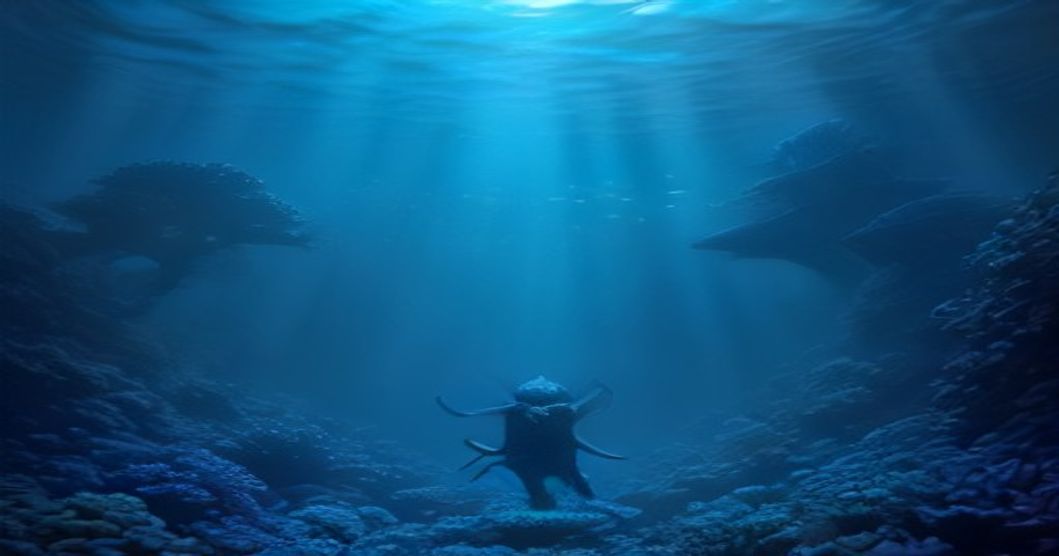
Meet the Ocean’s Most Deceptive Miniature
At first glance, the Blue-Ringed Octopus (genus Hapalochlaena) might seem unassuming. Measuring a mere 10 to 20 centimeters in length, this tiny cephalopod easily fits in the palm of a hand. However, do not let its diminutive size fool you. As a veterinary and marine health professional, I cannot stress this enough: this creature is packed with one of the most lethal venoms in the entire animal kingdom.
The Warning Signs of Tetrodotoxin
When calm and camouflaged against the ocean floor, the blue-ringed octopus displays dull, mottled brown skin, making it remarkably difficult to spot. But when threatened or cornered, it undergoes a dramatic transformation. Brilliant, iridescent blue rings flash across its body as an unmistakable biological warning. This stunning display is a signal of its potent defense mechanism: tetrodotoxin.
Tetrodotoxin is a powerful neurotoxin also found in pufferfish. Once injected through a beak-like bite, it rapidly blocks nerve conduction, leading to profound muscle paralysis, respiratory arrest, and ultimately, a medical emergency for anyone unfortunate enough to be bitten. The scariest part? The bite itself can be painless, meaning a victim might not realize they have been envenomated until symptoms begin to manifest.
A Peaceful Neighbor: Respecting Marine Boundaries
Despite the extreme toxicity of its venom, the blue-ringed octopus is inherently docile and non-aggressive. It has no desire to hunt humans or large animals; bites occur almost exclusively when the creature is stepped on, handled, or deliberately provoked. As pet owners and nature enthusiasts, our responsibility when exploring marine environments is clear: practice passive observation. Admire these magnificent creatures strictly from a safe distance, never attempt to touch or handle them, and always respect the natural boundaries of marine wildlife.