
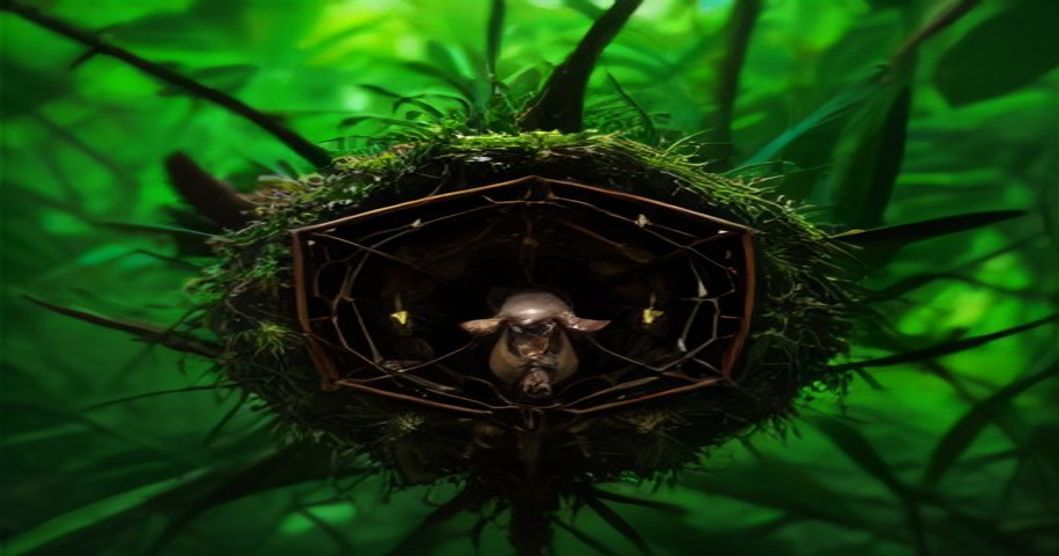
Unveiling the Meat-Eating Bees of the Tropics
In the vast and diverse world of insects, bees are universally known as gentle pollinators that buzz from flower to flower, collecting nectar and pollen to feed their colonies and produce liquid gold. However, nature never ceases to surprise us with its evolutionary wonders. Enter the vulture bees of the genus Trigona, specifically Trigona necrophaga, a fascinating group of stingless bees that have completely abandoned the vegetarian lifestyle of their cousins in favor of scavenging carrion.
Adapted for Death: The Unique Digestive System
The primary and most astonishing adaptation of these scavenger bees lies within their internal biology. Biologists studying Trigona necrophaga discovered that the composition of their gut microbiota is remarkably similar to that of vertebrate scavengers, such as vultures, hawks, and hyenas. This specialized microbiome allows them to process rotting flesh safely, breaking down proteins and fats that would be toxic to normal honeybees, while protecting them from lethal pathogens found in decaying animal matter.
Defenses and Danger: Potent Bites Instead of Stings
Unlike honeybees that defend their hives with venomous stingers, vulture bees belong to the stingless tribe (Meliponini). Instead, they rely on powerful, highly developed jaws to defend their territory. When threatened, these bees deliver painful bites. To make matters worse, their mandibles are often coated with pathogenic bacteria from the carcasses they feed on, meaning a bite from a vulture bee can easily result in painful skin inflammation, abscesses, and secondary infections.
The Sweet Paradox: How They Produce Safe Honey
Despite their gruesome diet of dead flesh, vulture bees produce a substance that defies expectations: sweet, edible honey that is completely safe for human consumption. This biological paradox is made possible by the bees’ meticulous architectural and hygienic organization. Vulture bees maintain a strict separation of church and state within their hives; they store the rotting meat in specialized, sealed chambers completely isolated from the clean ‘pantries’ where they store their honey, ensuring that the sweet product remains pure and uncontaminated.