
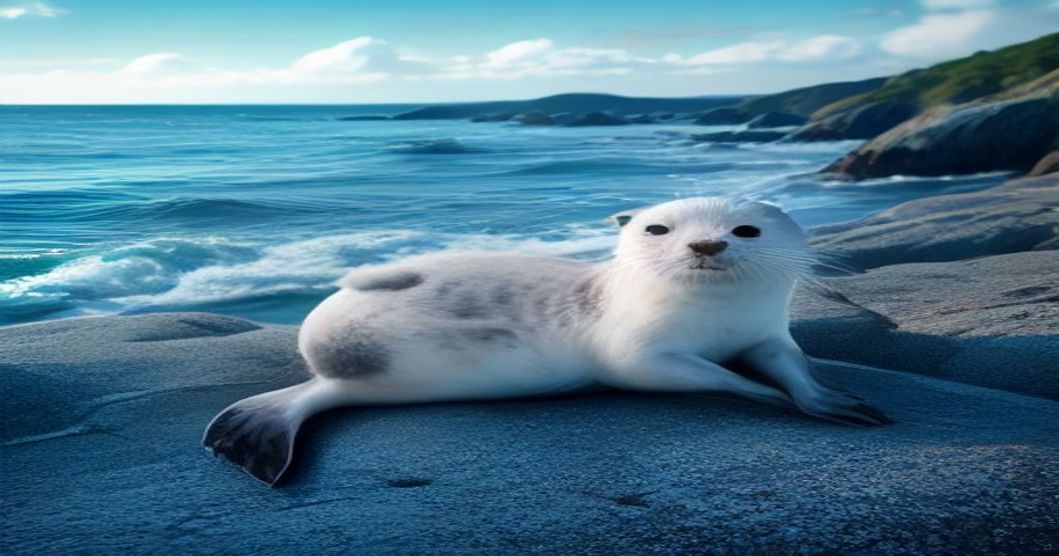
Introduction to the Harbor Seal
The harbor seal (Phoca vitulina), also known as the common seal, is one of the most recognizable and widespread pinnipeds in the Northern Hemisphere. Found along the temperate and Arctic marine coastlines of the Atlantic and Pacific oceans, these fascinating marine mammals capture the hearts of animal lovers worldwide with their distinctive dog-like faces and gentle demeanor. As a veterinary and pet care expert, understanding the biology, behavior, and health needs of marine species like the harbor seal is crucial for wildlife rehabilitation and conservation efforts.
Physical Characteristics and Adaptations
Harbor seals are easily distinguished by their V-shaped nostrils, a lack of external ear flaps, and a stout body with short flippers. Their coats vary significantly in color from brownish-gray to tan or silver, featuring unique dark spots or rings that act as natural camouflage against rocky shores. Weighing anywhere from 120 to 300 pounds and measuring up to six feet in length, these sleek swimmers are exceptionally well-adapted for an aquatic lifestyle, relying on a thick layer of blubber for insulation in cold ocean waters.
Behavior and Diet in the Wild
As opportunistic carnivores, harbor seals play a vital role in maintaining the balance of marine ecosystems. Their diet primarily consists of fish such as cod, herring, flounder, and salmon, along with cephalopods like squid and crustaceans. While they are agile hunters capable of diving to depths of 1,600 feet and staying submerged for up to 30 minutes, they also spend a significant amount of time hauled out on rocks, sandbars, and ice floes to rest, regulate their body temperature, and give birth to their pups.
Veterinary Health and Conservation Challenges
In wildlife rescue and rehabilitation centers, veterinary professionals face unique challenges when treating stranded or injured harbor seals. Common health issues include entanglement in fishing gear, boat strike injuries, parasite infestations, and viral infections such as phocine distemper virus. Conservation efforts focus heavily on protecting coastal habitats, reducing marine pollution, and enforcing protective legislation like the Marine Mammal Protection Act to ensure these charismatic creatures continue to thrive in their natural habitats.