
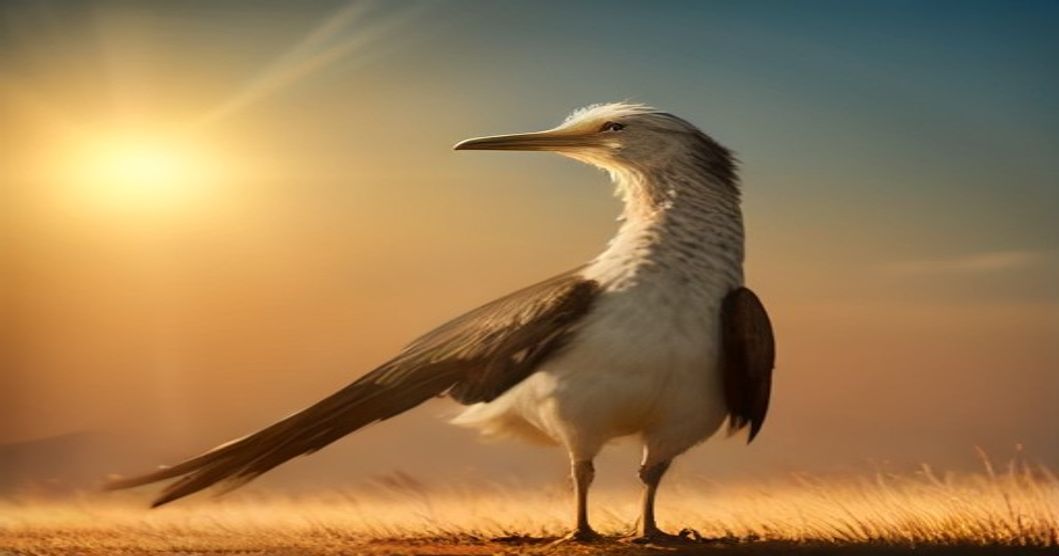
Introduction to the Elegant Secretary Bird
When it comes to the avian world, few species possess the unique elegance and striking appearance of the Secretary Bird (Sagittarius serpentarius). Native to the open grasslands and savannahs of sub-Saharan Africa, this magnificent raptor immediately commands attention with its long, crane-like legs, powerful frame, and dramatic plumage. But beyond its regal stature lies a fascinating etymology and a set of specialized predatory skills that make it a true marvel of the animal kingdom.
The Fascinating Origin of the Name
Have you ever wondered how this extraordinary bird got its prestigious title? Fun Fact: The Secretary Bird’s name is believed to have originated from the French word “secrétaire,” referring to the quill-like feathers in its crest, similar to those used by secretaries in the past. 📜 In centuries gone by, office scribes would tuck goose-feather quills behind their ears for easy access. When European explorers first encountered this African bird adorned with its distinct, slate-grey crest feathers, the visual resemblance was so striking that the moniker stuck permanently.
Unique Adaptations and Predatory Prowess
While its appearance suggests a scholarly background, the Secretary Bird is actually a formidable terrestrial hunter. Unlike most raptors that hunt primarily from the air, the Secretary Bird patrols the grasslands on foot, covering up to 20 miles a day in search of prey. Its long, scale-covered legs protect it from venomous bites, allowing it to specialize in hunting snakes, rodents, and large insects. With a lightning-fast strike force equivalent to several times its own body weight, it can dispatch dangerous serpents with precision kicks, showcasing that beauty and lethal efficiency can indeed go hand in hand.
Conservation and Conclusion
As unique inhabitants of the African savannah, Secretary Birds play a crucial role in maintaining healthy local ecosystems by controlling rodent and reptile populations. Unfortunately, due to habitat loss and environmental degradation, their populations are currently facing increasing threats. Appreciating these magnificent creatures—from their quill-like crests to their vital ecological roles—reminds us of the incredible diversity of animal life and the importance of preserving their natural habitats for future generations.