
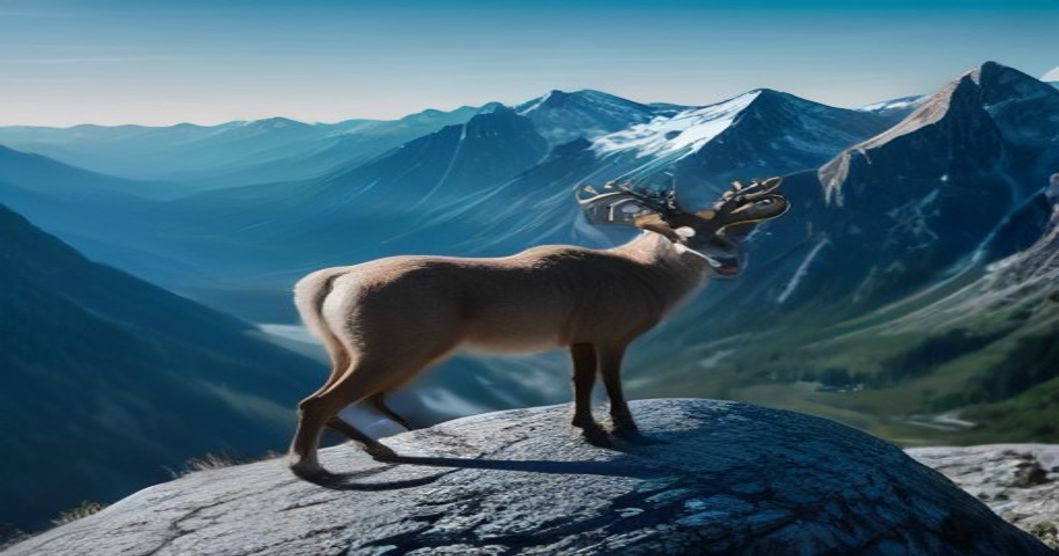
The Alpine Sanctuary: A Haven for Diverse Species
The Swiss Alps, with their crystalline lakes and soaring peaks, represent more than just a breathtaking landscape; they serve as a critical habitat for some of Europe’s most resilient wildlife. From a veterinary perspective, the tranquility of these high-altitude regions is essential for the physiological well-being of species such as the chamois, ibex, deer, and marmots. These animals have evolved specialized adaptations to thrive in the rugged, seasonal climate of the mountains.
Understanding Alpine Animal Health
The chamois and ibex are masters of the vertical terrain, possessing strong musculoskeletal structures that allow for remarkable agility on steep cliffs. Maintaining health in these species requires vast, undisturbed grazing grounds and the ability to migrate naturally between altitudes. Similarly, the alpine marmot, known for its extensive hibernation cycles, relies on specific nutritional intake during the summer months to survive the harsh winters. As observers and animal enthusiasts, it is crucial to appreciate their need for space; human intrusion can lead to unnecessary stress, which negatively impacts their metabolic health and reproductive success.
Coexisting with Nature
When we witness these animals in their natural state, we are seeing a balanced ecosystem in motion. The health of these wild populations is a key indicator of the environmental integrity of the Swiss mountains. By prioritizing ‘leave no trace’ principles and maintaining a respectful distance, we ensure that these magnificent creatures can continue to thrive in the serenity of their alpine home.